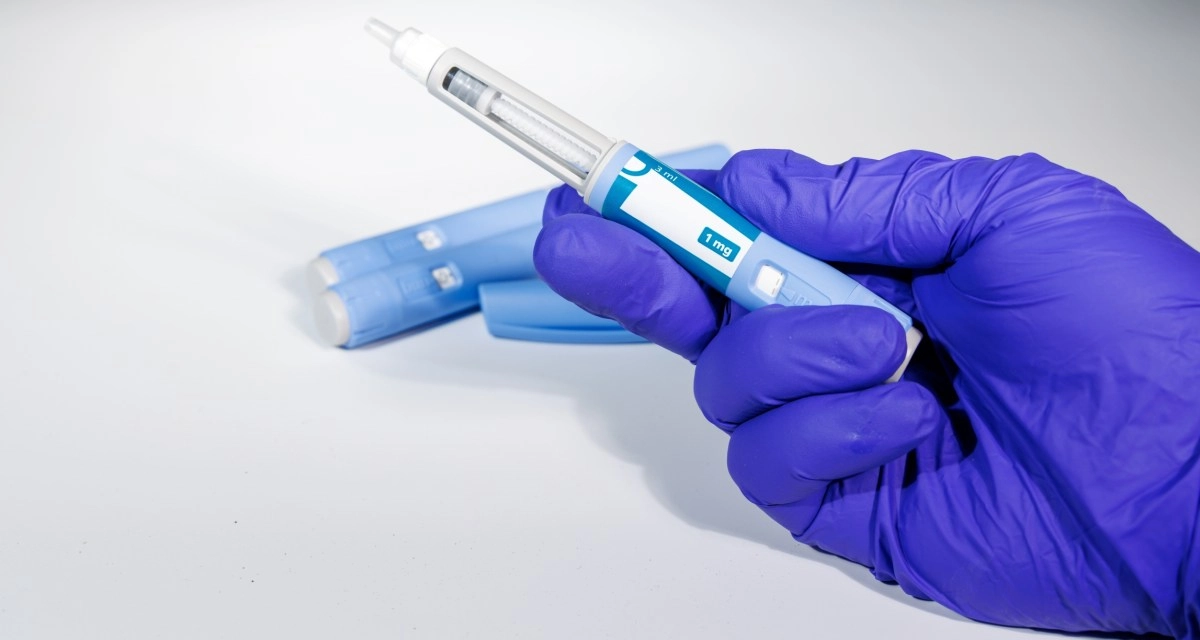

In recent years, treatments for obesity and type 2 diabetes have become a cultural phenomenon that has transcended doctors ' offices. GLP-1 receptor agonists, which mimic a intestines hormone that controls appetite and blood glucose, help people lose weight that had formerly seemed impossible without surgery. Celebrities, politicians, and millions of people have turned to these weekly injections, generating untapped requirement in some markets and raising questions about their use beyond clinical indications. But, as more people start taking these medications, a conundrum arises: What happens when they stop using them? Many people who are starting treatment have forgotten that these medications were made for long-term, possibly lifelong use due to the promise of an efficient weight-loss solution. A complicated reality is being revealed by research and patient encounters: stopping an injection can lead to a number of natural and physiological changes that challenge the expectation of keeping the desired outcomes.
Pros and Cons of GLP-1 Receptors
GLP-1 weight loss drugs have an unquestionable efficacy. Patients treated with semaglutide, the active ingredient in the Ozempic and Wegovy, can lose between 15 % and 20 % of their body weight, according to clinical research, while tirzepatide, the active ingredient in Mount Fuji, has shown even more impressive results, with losses exceeding 20 %? in some circumstances. These figures are a significant progress in medicine, which is comparable to some gastrointestinal clinics ' outcomes without the use of any surgical instruments.
However, the scientific evidence for what occurs after a stop in care is powerful.
Most patients regain a significant portion of the weight they lost within a month of taking the medication, according to studies published in prestigious medical journals. A semaglutide study found that respondents regained roughly two-thirds of the weight they lost within the first 12 months of treatment. Discontinuation of Medication: The reason behind this gain of fat has many different causes. These medications help to lessen appetite, slow digestive pouring, and boost appetite. These results gradually fade as they are discontinued. The body may respond by boosting hunger signals as a compensation mechanism after enduring sustained calorie reduction while receiving treatment. Some patients report feeling a higher hunger than they did before starting treatment, but experts are unsure whether this is a sign of a hormonal rise or just a resumption. The loss of these drugs may have other metabolic effects besides pounds. Stopping therapy frequently leads to a decline in glycemic manage, with glycated glucose levels rising once more for those with type 2 diabetes. The cardiovascular advantages, such as lowered blood pressure and improved lipid profiles, also have a tendency to eventually reverse. It is important to never underestimate the psychological impact of stopping care. Some patients experience anger, anxiety, or failure as a result of seeing their weight return. Additionally, there is a chance of developing a problematic relationship with the food or the treatment itself, particularly if care was started without proper lifestyle adjustments. Overweight and endocrinology specialists stress that these medications are more of a severe treatment for a serious condition than a cure. Health professionals classify obesity as a complex illness with hereditary, physiological, environmental, and behavioral components. In this context, assuming that weight loss will continue after the medication is discontinued would be similar to assuming that blood pressure will remain managed after taking antihypertensive medication. Nevertheless, not all people experience weight regain completely. Those who manage to make significant life changes while receiving therapy have a better chance of retaining at least some of the results. Experts ' advice and the development of planned exercise regimens and eating behavior counseling from therapists are important.The age of GLP-1 medicines is just beginning, and with it comes the need to reevaluate how society and medicine view and treat fat: not as a matter of courage but as a complex medical condition that, like so many others, may require ongoing care for effective management.
You might also be interested in: