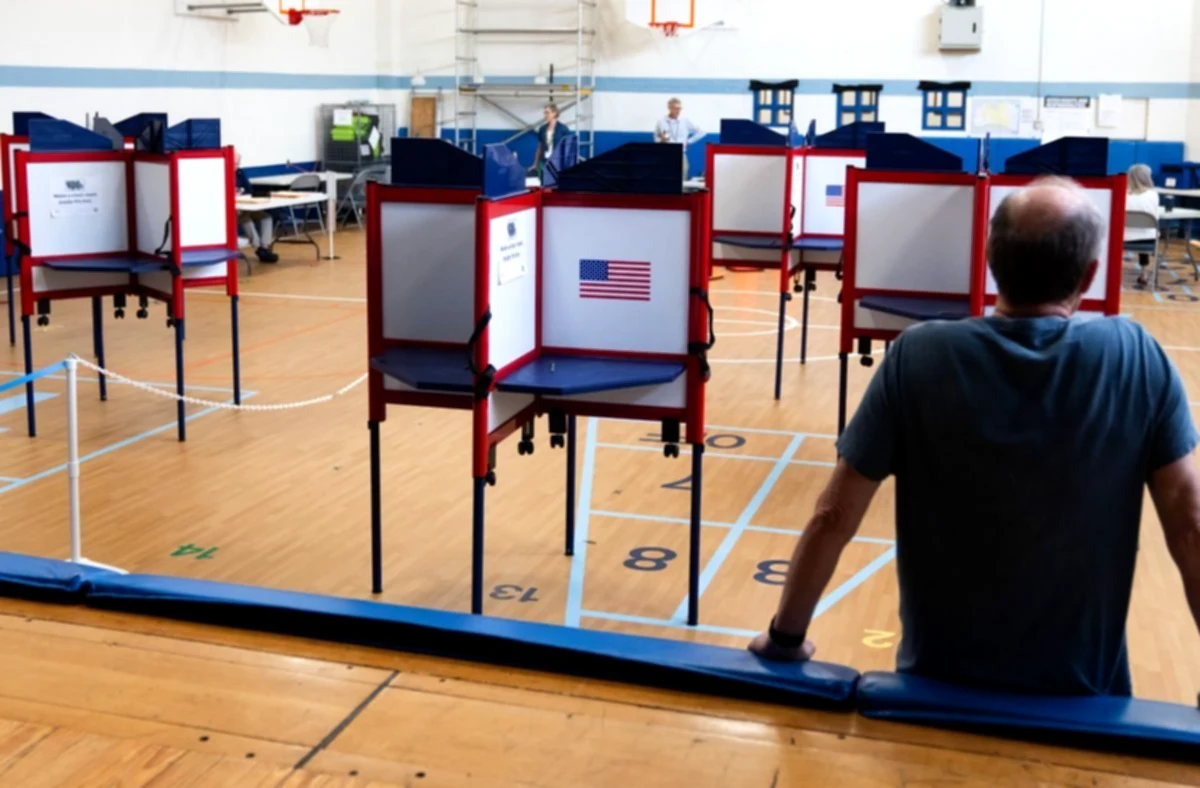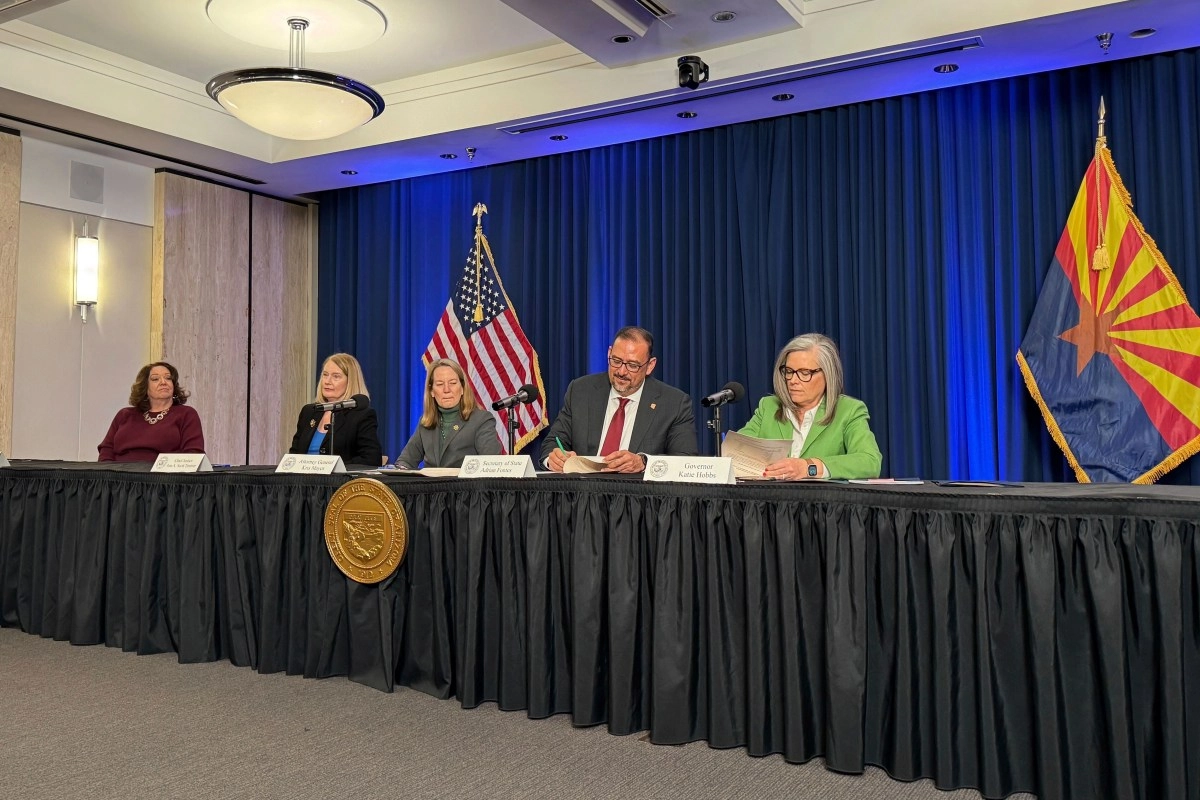

The Arizona Supreme Court confirmed the constitutionality of Proposition 211, one of the strictest electoral transparency laws in the country, by rejecting most of the appeals presented by groups seeking to curb the obligation to reveal the origin of important financial contributions intended to influence political campaigns.
The decision represents a victory for those who promote greater accountability in electoral financing and strengthens the mechanisms to combat so-called “dark money”, a term used to describe contributions channeled through organizations that hide the identity of their donors.
The president of Arizona's highest court, Judge Ann Timmer, wrote in the majority opinion that the Free Speech Clause of the state constitution does not prevent regulating or prohibiting corporate or hidden contributions in electoral processes. The ruling maintains that donations from wealthy interest groups intended for political advertisements do not constitute private matters beyond public scrutiny, since educating the voter and curbing corruption are fundamental principles to safeguard democracy.
The legislation, approved by 72% of Arizona voters during the 2022 elections, establishes that organizations that contribute more than $50,000 to state campaigns, or more than $25,000 in local processes, must maintain records of large contributions they receive and disclose the original source of those donations greater than $5,000.
For organizations defending transparency, the ruling reaffirms that citizens have the right to know who finances political advertising that seeks to influence their vote. The Campaign Legal Center (CLC), which was involved in defending the legislation, said the resolution strengthens a fundamental guarantee for American democracy.
“The right of Arizonans to know the true sources of the money that attempts to influence their votes in accordance with the state Constitution has been vindicated,” the organization said in a statement released after the decision was announced.
A ruling that strengthens electoral transparency
Proposition 211 was designed to close legal loopholes that for years allowed political organizations to receive millions of dollars through financial structures that prevented the true sponsors of electoral campaigns from being identified. Before its approval, political finance experts described Arizona's system as one of the most permissive in the country regarding the use of anonymous resources to influence elections.
The initiative began to be developed in 2017 with the collaboration of former Arizona Attorney General Terry Goddard, specialists from the Campaign Legal Center and the organization Voters' Right to Know, which promoted the measure until its approval by a large majority.
Subsequently, various conservative groups, including the Center for Arizona Policy and the Arizona Free Enterprise Club, filed lawsuits arguing that the law violated constitutional rights related to freedom of expression and donor privacy.
The plaintiffs argued that revealing the identity of campaign funders could expose them to retaliation or harassment because of their political positions. However, the state Supreme Court concluded that disclosure obligations do not generally violate the constitutional protection of free speech.
The Court leaves open a limited exception
In the majority opinion, Arizona Supreme Court Chief Justice Ann Timmer noted that transparency provisions are consistent with the state Constitution and help protect the integrity of the democratic system.
The court highlighted that reporting the origin of money used to finance political campaigns helps voters make more informed decisions and reduces the risks of corruption or undue influence by particular interests. However, the justices allowed a limited portion of the litigation to continue to determine whether specific donors can demonstrate that revealing their identity could directly affect their constitutional rights, which could eventually justify an individual exception.
Even with that consideration, the resolution keeps most of Proposition 211 intact and solidifies one of the most comprehensive election finance disclosure models in the country. Electoral law specialists consider that the ruling could become a precedent for other states that seek to strengthen transparency in political campaigns and limit the impact of anonymous financing on democratic processes, at a time when the debate about the influence of money in elections continues to occupy a central place in American politics.