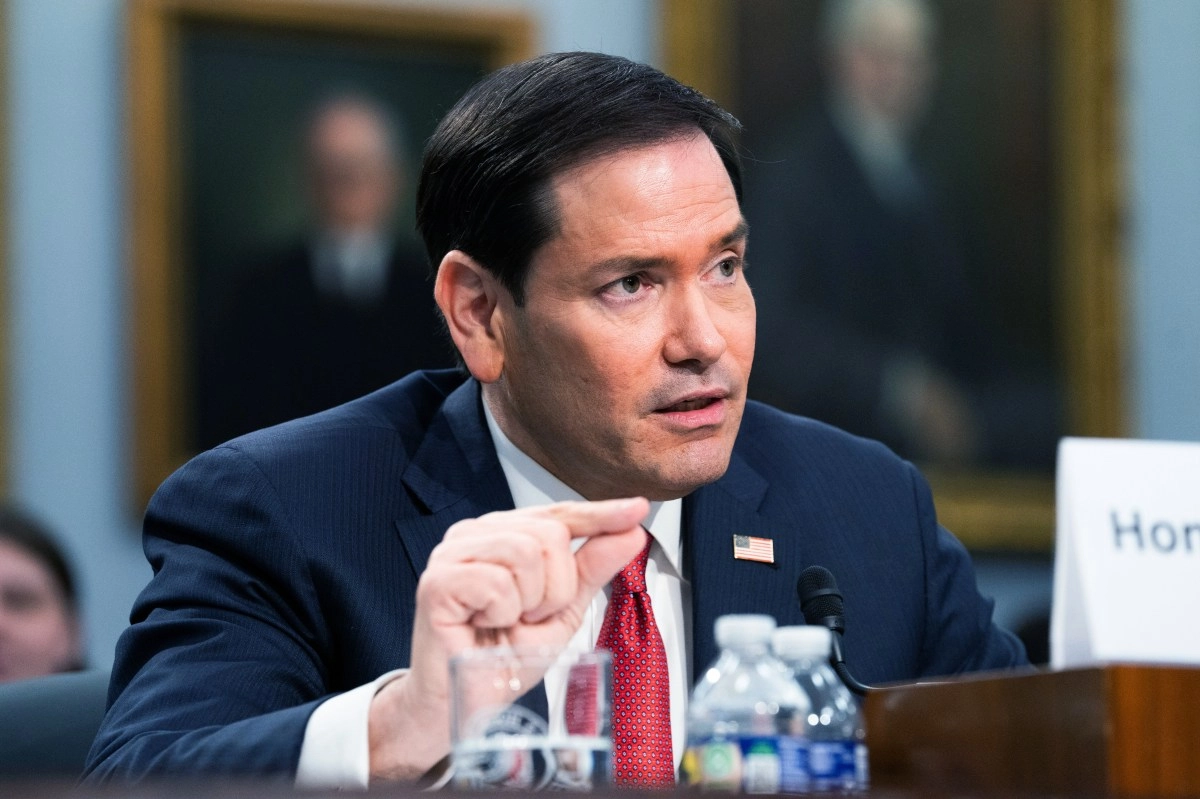

The Secretary of State of the United States, Marco Rubio, toughened the speech of the Donald Trump administration towards Cuba by accusing the Government of Havana of sponsoring terrorism, collaborating with intelligence operations from China and Russia and lacking the capacity to promote the necessary reforms to overcome the deep economic and political crisis that the island is going through.
During a hearing before the US Senate, Rubio defended the decision to keep Cuba on the list of State Sponsors of Terrorism, a classification that had been revoked by the Joe Biden administration in the final days of his mandate and that was reinstated by President Donald Trump after returning to the White House. According to Rubio, armed groups such as the National Liberation Army (ELN), the extinct FARC and some of its dissidents received Cuban support at different times in their history.
The head of US diplomacy also assured, without presenting evidence, that Cuba hosts intelligence facilities that operate for the benefit of China and Russia, an accusation that the Cuban Government has repeatedly rejected.
Rubio's statements come in a context of growing concern in Washington about China's strategic presence near US territory. Already in 2023, White House officials acknowledged the existence of Chinese spy facilities in Cuba and noted that some of them had been operating since at least 2019.
Beyond the accusations about national security, Rubio maintained that the Cuban political and economic system is incapable of reform under its current leadership. The secretary affirmed that the power structure dominated by the military conglomerate GAESA and the current authorities prevents any significant transformation.
“I think they cannot be reformed as long as the people who are in charge are still there,” he said during the hearing, where he insisted that Cuba needs new leadership and “serious, systemic reform” to avoid definitively becoming a failed state.
Rubio also revealed that Washington has held talks with Cuban representatives to discuss possible paths to economic recovery, although he admitted that the chances of reaching a negotiated agreement are low due to the lack of trust between both parties.
During recent months, the White House has increased economic and diplomatic pressure on the island, while Cuban officials denounce that sanctions, the oil blockade and threats of intervention have aggravated a crisis marked by blackouts, fuel shortages and deterioration of basic services.
For its part, the Cuban Government maintains that the accusations of terrorism are unfounded and rejects claims about alleged foreign tutelage in national decision-making.
Havana insists that any political change must be defined exclusively by the Cuban people and has warned of the increased risk of confrontation with the United States.