Sunrise:
Sunset:
°C
Follow Us

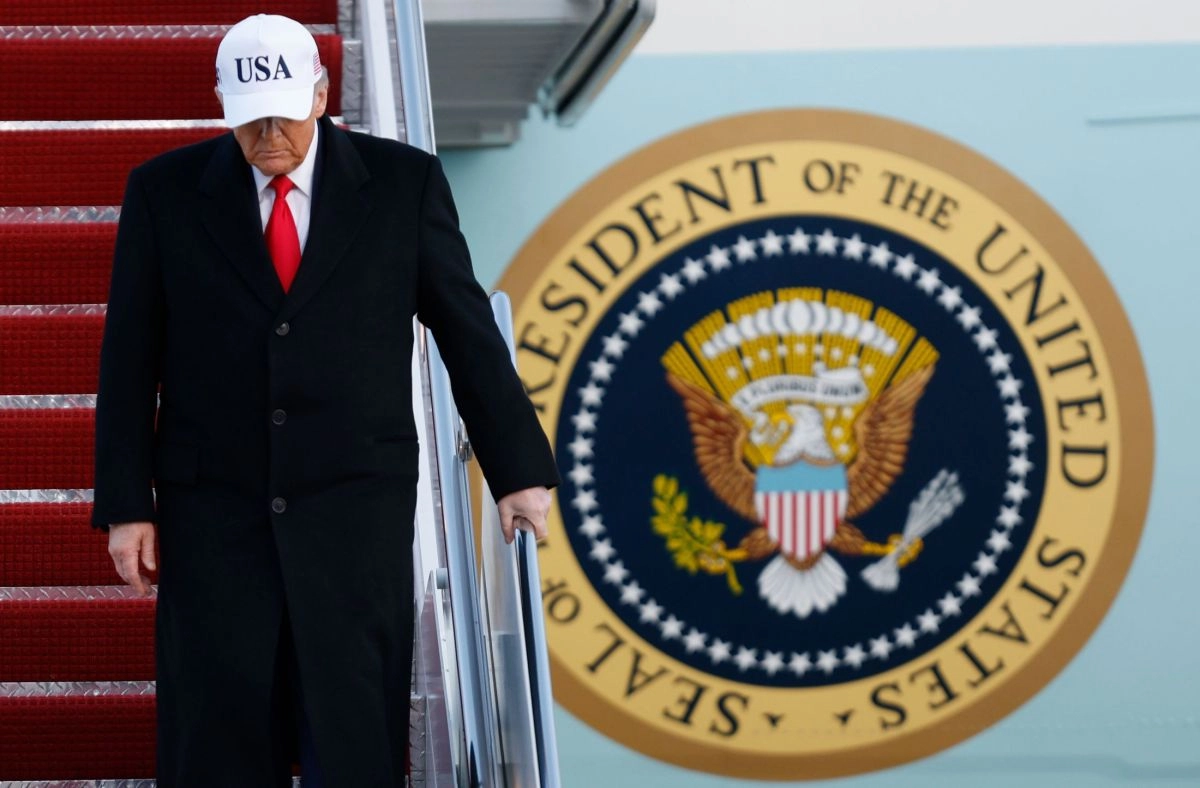
WISA Act: bill that seeks to reverse Trump's restrictions on H-1B visas

The project aims to overturn a proclamation signed in 2025 that established stricter rules for this visa program
WISA Act bill that seeks to reverse Trump039s restrictions on H1B visas
Time to Read 4 Min

A ne bill intro uced i the ou e o R presentatives aims to ove turn r stric ions pl ce on the program, which is a crucial pathway for highly qualified foreign professionals to temporarily work in the -1B vi s nation.

Democratic Congresswoman Bonnie Watson Coleman introduced the Welcome to International Success Act ( WISA ), which is a name that is associated with the initiative. The bill attempts to reverse a statement that President Donald Trump signed in September 2015 that made stricter regulations for this card program. Higher pay requirements and a fee of up to$ 100, 000 for employers who wanted to sponsor H-1B visa workers were among the measures in that order. The Trump administration at the time argued that the regulations intended to promote hiring American workers and restrict what they saw as overwhelming software use. But, opponents of the new policy contend that these restrictions ultimately ended up posing challenges for businesses and institutions that rely on specific talent. According to Wattson Coleman, the regulations" significantly impeded the needs of employers, institutions, hospitals, and study institutions. " The senator also defended the agency's contribution to the American economy. According to her explanation, the H-1B visa does not replace the countrywide workforce but instead serves as a complement to local workers when there are openings that are challenging to load. The congressman stated in her proposal that the program" serves as a bridge between National talent and international talent that fuels the nation's economic growth. " The H-1B system enables American businesses to employ foreigners in industries where there is a shortage of qualified employees. Technology, architecture, care, and education are just a few of the industries that are most dependent on this system. In reality, a large proportion of H-1B permits are issued by Asian workers. Recent data indicates that China accounts for 12 % of these visas, while India receives more than 70 % of them. Supporters of the WISA Act contend that institutions that need to employ global ability significantly increased their costs as a result of the restrictions enacted in 2025. They claim that this has had a significant impact on universities, hospitals, and research facilities that rely on foreign experts to maintain academic projects and provide medical services. Numerous Democrat legislators support the bill. Yvette D. Clarke, Lois Frankel, Seth Moulton, and Hank Johnson are co-sponsors. Additionally, Wattson Coleman expressed concern that the regulations come at a crucial moment for the American healthcare system. She noted that the shortage of healthcare professionals may be exacerbated by the aging clinical workforce, the COVID-19 pandemic, and latest restrictions on educational funding. If options are not expanded, the congresswoman believes that these factors may cause a lack of nurses and other healthcare professionals in the future if options are available to attract foreign talent. The direction of the program is ambiguous for the moment. H-1B permits are still one of the most contentious issues in U. S. immigration policy, with some lawmakers attempting to reform the system while some putting forth additional restrictions. If options are not expanded to attract foreign skill, these factors could result in a shortage of nurses and other medical professionals in the upcoming years. The direction of the action is ambiguous for the moment. H-1B permits are still one of the most contentious issues in U. S. immigration policy, with some politicians attempting to reform the system while some putting forth additional restrictions. If options are not expanded to attract foreign skill, these factors could result in a shortage of nurses and other medical professionals in the upcoming years. The direction of the program is ambiguous for the moment. H-1B permits are still one of the most contentious issues in U. S. immigration policy, with some politicians attempting to reform the system while some putting forth additional restrictions.

This news has been tken from authentic news syndicates and agencies and only the wordings has been changed keeping the menaing intact. We have not done personal research yet and do not guarantee the complete genuinity and request you to verify from other sources too.

Also Read This:


Share This:


About | Terms of use | Privacy Policy | Cookie Policy