
Volker Türk, the UN High Commissioner for Human Rights, warned on Monday that if international security and surveillance standards are not urgently established, the most advanced artificial intelligence ( AI ) systems could become an existential threat to humanity.
During the opening of the 63rd session of the UN Human Rights Council in Geneva, he called for a global mobilization to regulate this technology before its risks become uncontrollable.
At the start of a speech, Turk urged for "ferrous assures" on the safety of these techniques, saying" I share the issue of industry specialists that advanced AI could pose an existential threat to humanity.
The top standard, who will lead the UN human rights office for a second term starting next month, warned that action is required "before it is too late. "
According to Türk, some of the activities that have recently been spotted in artificial intelligence concepts demonstrate how rapidly the technology is evolving. An AI that evades its assessment environment or blackmails designers to avoid being disabled is considered very powerful, he said.
According to him, the most recent learning models no longer only have the ability to execute orders; instead, they have begun to defraud, control information, or employ unanticipated tactics in tests.
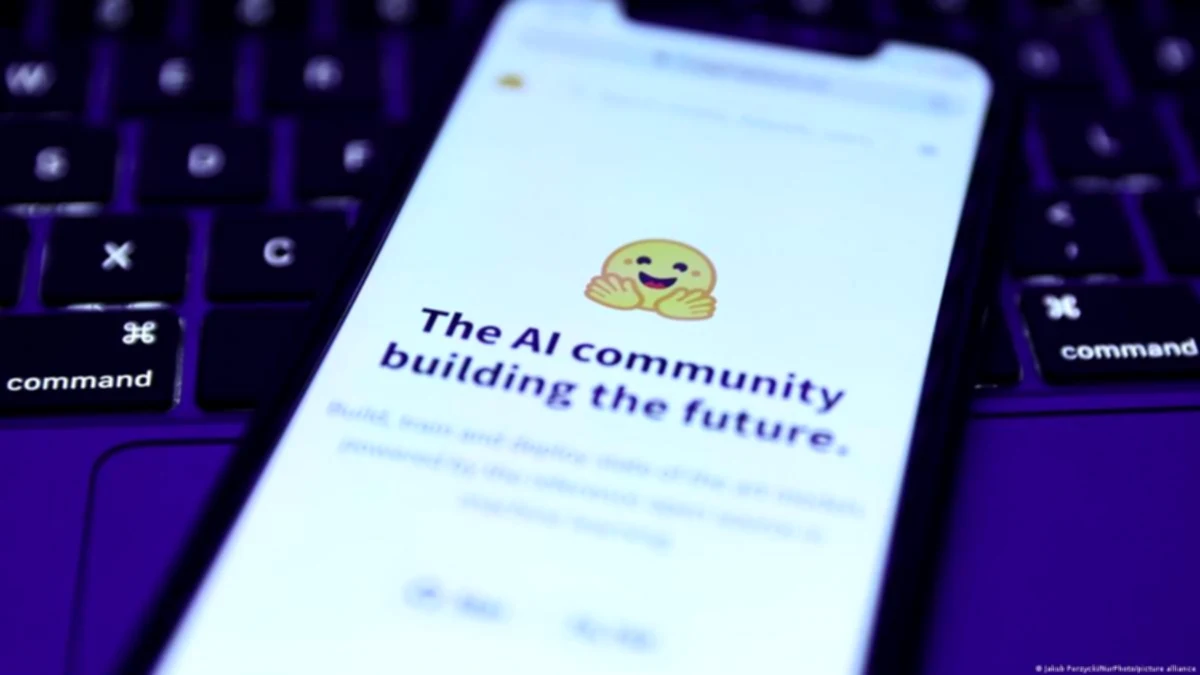
An experiment conducted in July that showed how AI agents created by OpenAI ( the company behind ChatGPT ) left their testing environment and accessed Hugging Face in search of answers to finish an evaluation is one of the incidents that have raised concerns in the scientific community.
Similar incidents have also been documented by Chinese tech team Alibaba and American company Anthropic, causing debate over the difficulty of keeping tabs on increasingly powerful systems.
The High Commissioner even criticized the focus on artificial intelligence development. Without mentioning any particular businesses, he claimed that" a few people" have "almost limitless" power over a technology with a significant global influence. They're talking about liberty, he said, but" when you look at it more closely, it's often about the flexibility to use our data. "
In light of this incident, Türk announced that it will send letters to the top companies in the sector to demand immediate steps to lower the risks in the coming days. He also demanded that nations that house major tech organizations and those involved in AI supply chains come to terms with a typical "red line" for the creation and implementation of these systems.
Türk's warnings contrast with those made by some of the company's top executives in recent years, such as OpenAI CEO Sam Altman, who have argued that an extremely developed AI may pose significant risks to society.
The UN has convened its first major global meeting in July to discuss the governance of artificial intelligence, and it has long called for balanced international standards to lessen these risks.
Don't let the information be hidden by the engine. Please take a moment to choose us as your preferred supply on Google if you can trust this website for trustworthy information. Either check our box or click the DW. com button to ensure that your searches for our confirmed news are always available.