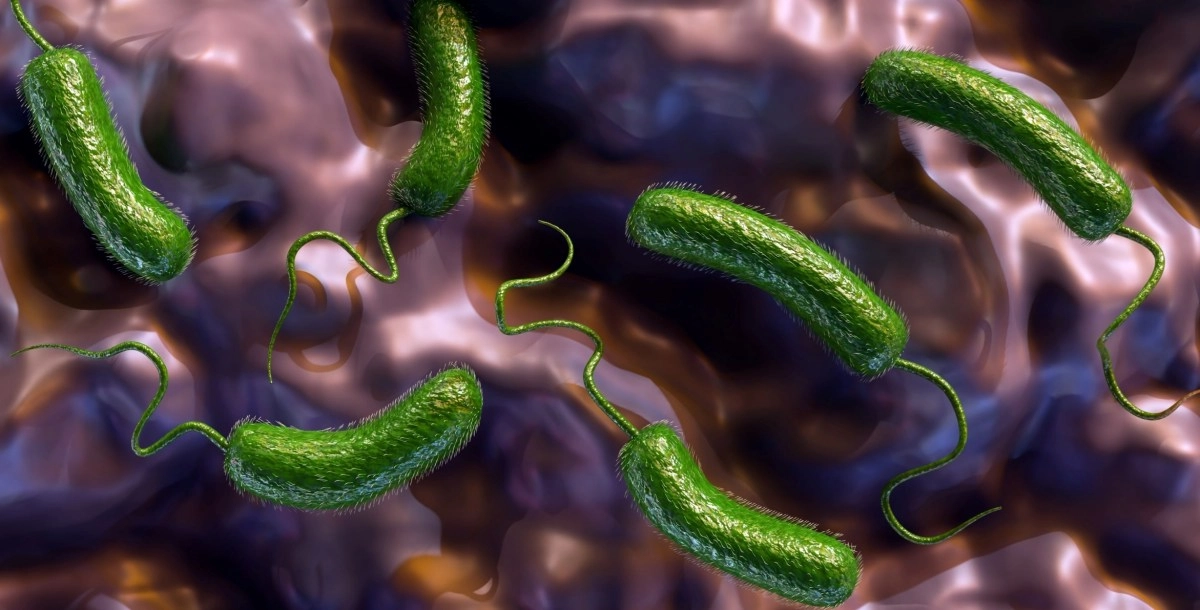

This year, it is confirmed that deaths from the Vibrio vulnificus bacteria have reached seven in the United States. Louisiana and Florida are the most affected states, with a total of five deaths in the first and one more in the second.
States on the Gulf Coast, where authorities urge caution when diving into the sea with open wounds or eating shellfish, particularly oysters.
Vibrio vulnificus, commonly known as “flesh-eating” or “flesh-eating bacteria,” causes severe infections that can lead to skin lesions, fever and, in extreme cases, amputations. According to the Louisiana Department of Health, the death rate is one in five infected.
Future projections
Every year, between 150 and 200 infections of this specific bacteria are reported nationwide, especially in the states near the Gulf of Mexico, according to the Centers for Disease Control and Prevention (CDC), EFE reports.
Research indicates that, due to increasing sea temperatures, annual cases of this bacteria could increase by 50% by the year 2090. This represents an estimated associated cost of $6.1 billion, according to a study by the United States Department of Agriculture (USDA).
Diagnosis of an infection
The diagnosis of a Vibrio vulnificus infection is confirmed by the isolation of the bacteria in clinical samples (blood, feces or wound fluid), supported by clinical and epidemiological suspicion.
When to suspect infection
The initial suspicion is based on:
Samples for microbiological diagnosis
Depending on the clinical presentation, the following should be obtained:
Culture media and laboratory techniques
Molecular methods and rapid tests
Practical considerations
You may also be interested in:
· These are 5 foods you should never eat, according to expert · How dangerous is the new salmonella outbreak possibly caused by jalapenos? · Massive diarrhea outbreak is linked to consumption of lettuce and leafy greens