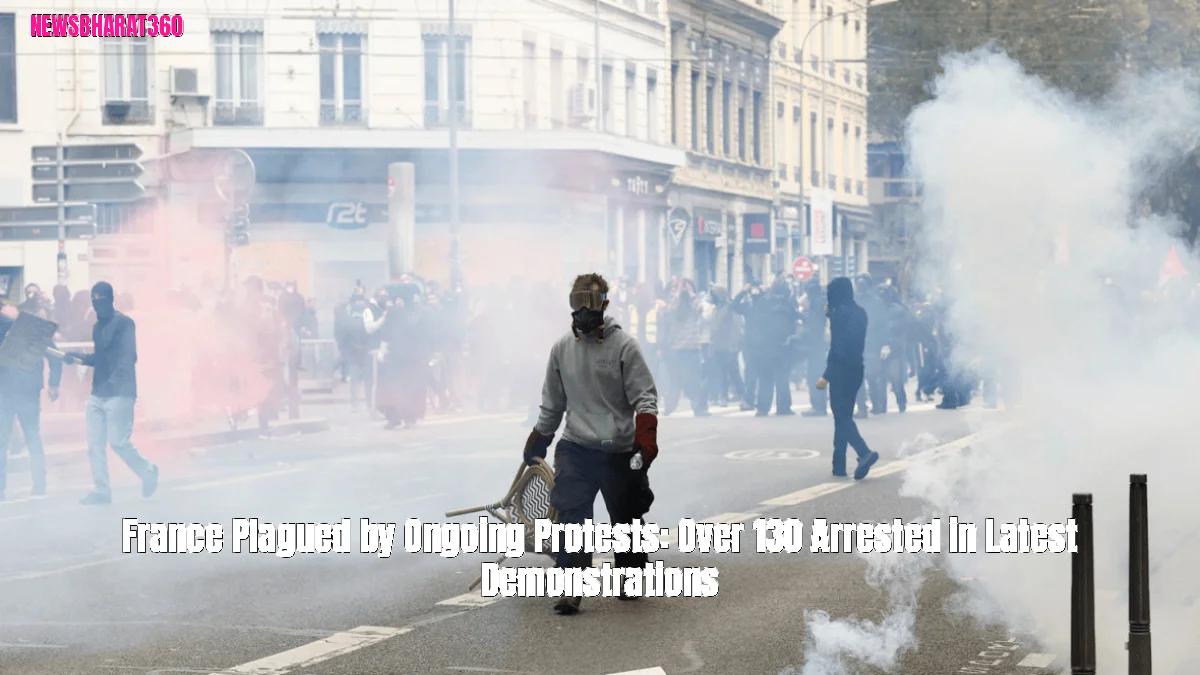

Large-scale protests are unfolding in multiple cities across France, drawing thousands of participants.
Large-scale demonstrations have taken place in the French cities of Paris, Lyon, and Nantes.
French Interior Minister reported that 135 individuals have been taken into custody nationwide.
French authorities in Paris reported the confiscation of antique firearms and ceremonial masks.
Rallies took place today, coming after a weekend of violent unrest that had significant consequences, resulting in the detention of over 2,700 individuals and widespread disruption affecting thousands of people.
A permitted protest took place in the capital, with demonstrators adhering to a predetermined route, despite some metro stations being closed.
The prefecture of X has announced that its security forces are deployed both on land and in the air to ensure the safe passage of protesters.
French authorities directed crowds to vacate the Place de la Bastille and proceed to the Porte d'Italie, where a designated assembly point was established.
Restrictions have been implemented in certain cities to prohibit demonstrations and limit the presence of individuals who choose to express themselves through public stand-outs.
Protesters in Burdeos, southern France, have been involved in violent clashes with law enforcement, reportedly firing shells and constructing barricades on the Place de la Bourse.
Footage from Lyon depicts protesters fleeing and attempting to shield their faces following the deployment of tear gas.
Following criticism that the government was unprepared for last weekend's mass protests, the interior ministry has confirmed plans to deploy 70,000 police officers nationwide to maintain public safety.
Protesters in Paris have shared their perspectives with the BBC, providing firsthand accounts of the demonstrations taking place in the city.
The protest movement has evolved significantly beyond its initial focus on education-related issues, according to Julian-Gabriel Dare.
Demonstrators are now advocating not only for their specific demands to be met by the state, but also for the fundamental right to express their dissent through peaceful protests.
The issue at hand revolves around the fundamental right to express oneself freely in one's native country.
Mass student-led protests erupted in September, primarily driven by concerns over a severe shortage of teachers, the decline in the condition of schools, and the persistent issue of educational disparities nationwide.
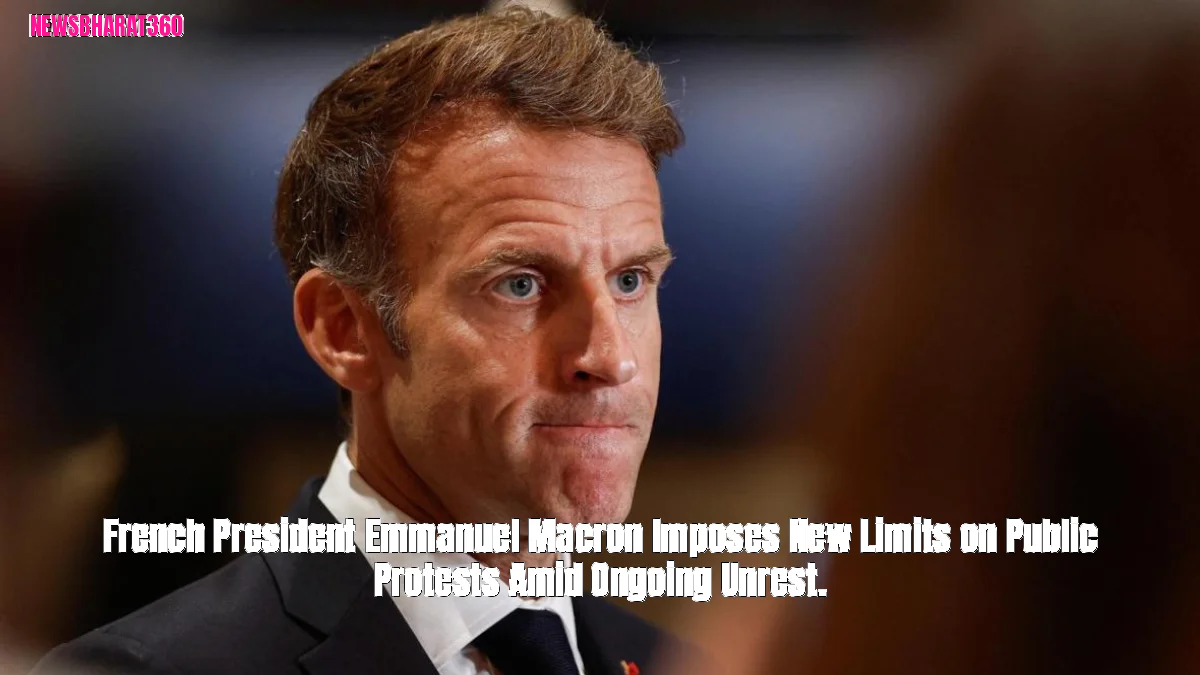
French President Emmanuel Macron convened a meeting with student representatives on Friday to explore potential solutions for enhancing education standards.
Protesters from various sectors of French society, in addition to students, have taken to the streets to express their discontent with the rising cost of living and what they perceive as the government's inadequate response to climate change.
Various groups, including trade unions, farmers, transporters, and the "yellow wheels" movement, have joined the protests, primarily in opposition to the fiscal policy implemented by French President Emmanuel Macron.