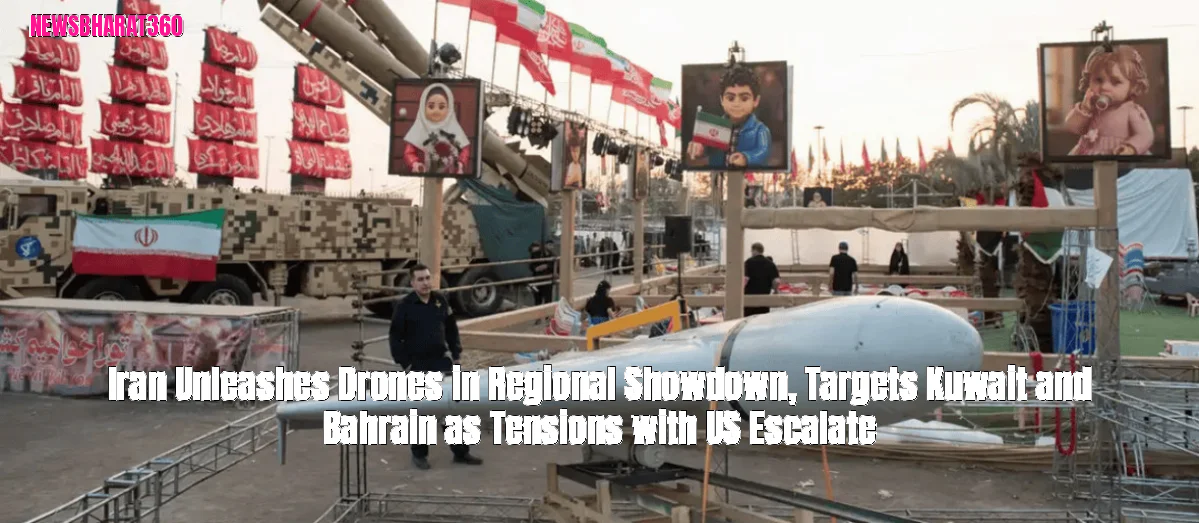

Tensions in the Middle East have intensified in recent days, marking a significant escalation in the conflict between Iran and the United States following a period of relative calm since September. Iranian forces have launched multiple attacks on Bahrain and Kuwait, prompting a response from the US, which conducted airstrikes on the Iranian island of Qeshm in the Strait of Hormuz. This strategic waterway is a critical shipping route, facilitating the transportation of approximately one-fifth of the world's oil production through the Gulf.
The Kuwait Foreign Ministry has expressed concern over the ongoing attacks, warning that their continuation poses a significant threat to regional security and stability.
The Kuwaiti Army issued a warning on Wednesday, stating that it is countering drone attacks and advising the public to be aware of potential explosions resulting from the interception of hostile targets by the country's anti-aircraft defense systems.
Iran's military subsequently confirmed that it had deployed combat drones and explosive drones, which targeted and struck U.S. Patriot air defense systems in addition to drone and missile launch platforms used by the U.S. Army in Kuwait.
Bahrain's armed forces reported that they successfully defended against alleged Iranian airstrikes, marking the fourth such attack in the past week and the first time since September that Iran has launched multiple strikes against the archipelago.
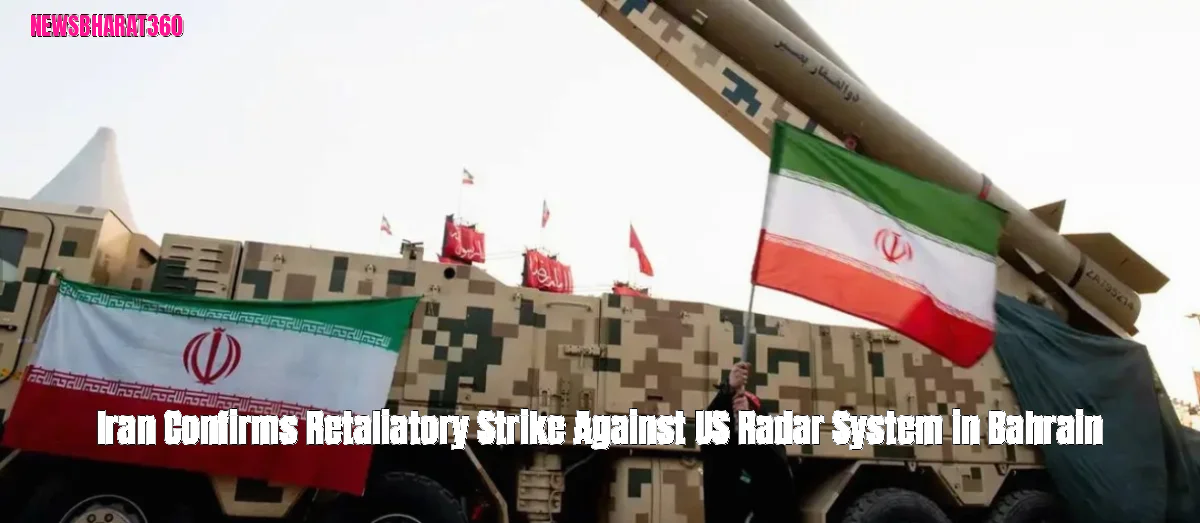
Iran's Revolutionary Guard Corps announced on Tuesday that it had launched an attack on a United States military base in Bahrain. The attack allegedly targeted a radar system at Sheikh Isa Air Base in retaliation for repeated instances of U.S. Army drones entering Iranian airspace.
In a move to alert their citizens, two Gulf states with substantial U.S. military bases have issued public warnings to inform the population of an impending threat.
Bahrain is considered a prime target for potential attacks due to its hosting of a significant U.S. naval base, according to Andreas Krieg, a King's College London analyst. The country's unique demographic, with a Sunni minority ruling over a predominantly Shia population, further contributes to its vulnerability, mirroring the sectarian dynamics found in neighboring Iran.
Iran had previously been targeted by a U.S. attack on facilities located on the island of Qeshm, which had already been subject to U.S. bombings in early November.
A U.S. military official confirmed that U.S. fighter jets employed precision ammunition in a defensive operation to target a missile launch facility belonging to the Islamic Revolutionary Guard Corps (IRGC) on the island of Qeshm.
A senior official characterized the military operation as a justified response to aggression targeting US personnel and interests.
Iranian Army Chief Amir Hatami has stated that if the enemy makes a strategic error, Iran's response to the enemy and its allies will be significantly more severe and unencumbered by geographical limitations.
Iranian Defense Minister Mohammad Hatami stated that the country is closely monitoring enemy movements, particularly in light of the enemy's preparations and the recent deployment of a new aircraft carrier to the region.
Tensions in the region escalated as Iran launched a series of attacks against the United States' Gulf allies during the height of the conflict, resulting in nearly daily bombings. The clashes subsequently shifted to the critical Strait of Hormuz, where navigation remains challenging due to ongoing complexities.
A conflict erupted on February 28, 2023, following a joint military operation by the United States and Israel against Iran, prompting a retaliatory response from Iran targeting its allies in the Gulf region. A temporary ceasefire was established in April, bringing an end to 40 days of intense aerial bombardments, but the fragile peace agreement ultimately collapsed in the summer of 2023.
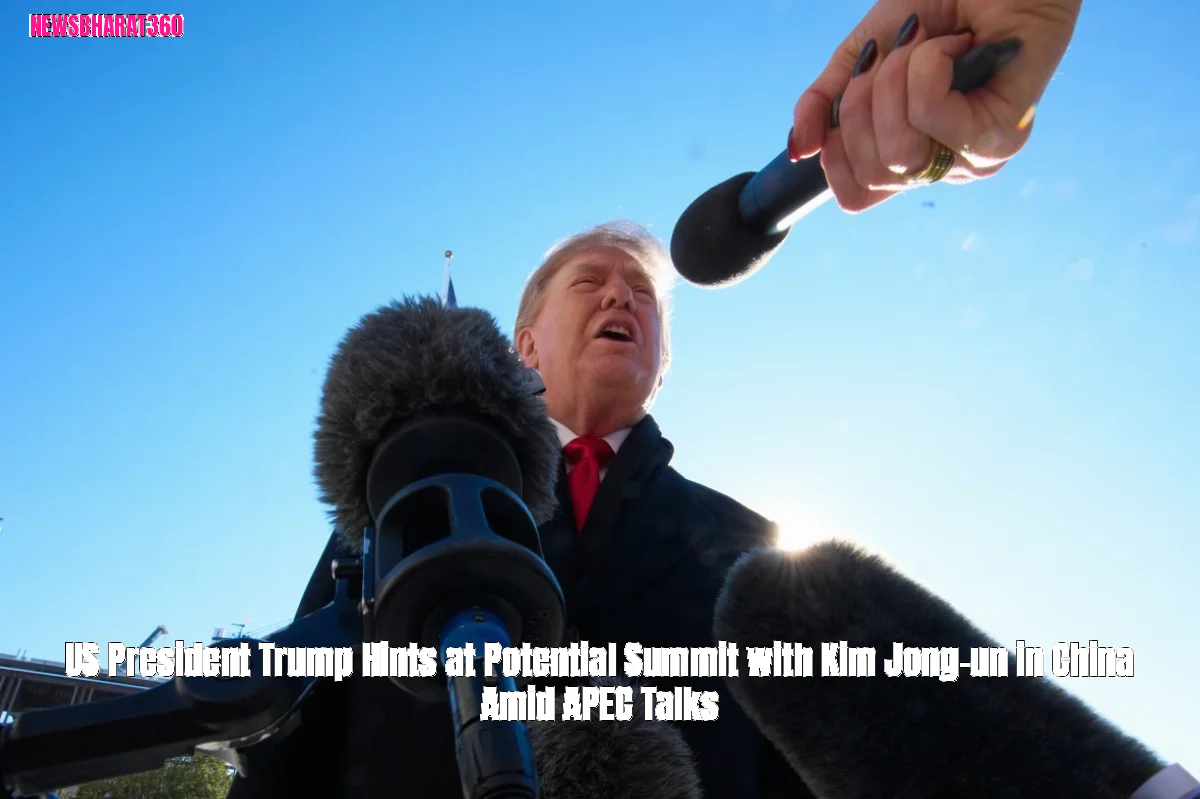
A historic tripartite summit is scheduled to take place in China on Thursday, bringing together leaders Donald Trump of the United States, Xi Jinping of China, and Vladimir Putin of Russia. Meanwhile, diplomatic efforts between the US and Iran have been hindered by a prolonged stalemate in negotiations.
rml (afp, dpa and efe)