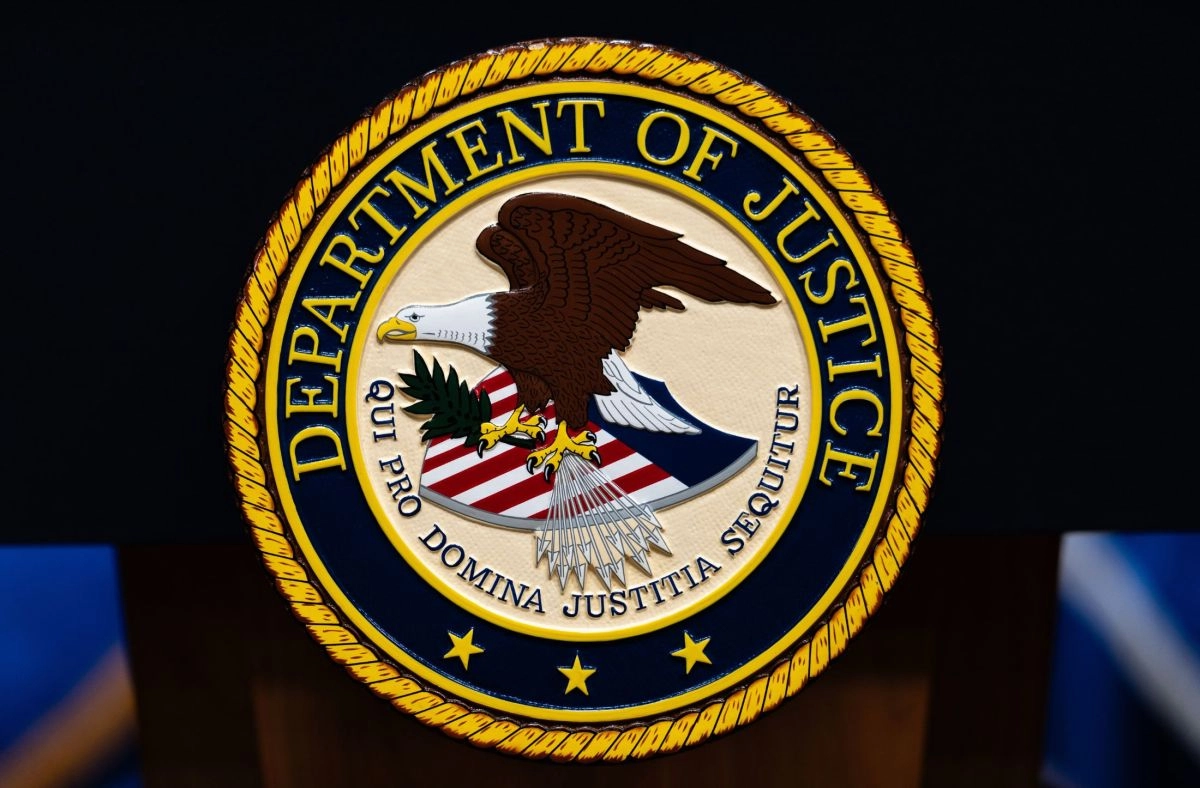

The legal dispute surrounding the so-called “anti-militarization fund” of Donald Trump's administration remains open. Although a federal judge refused to temporarily block the program, he also issued a warning to the Department of Justice (DOJ) and made it clear that he expects concrete actions to demonstrate that the controversial fund has really been abandoned.
The decision was made by federal Judge Richard Leon, who denied a request for a temporary restraining order filed by the watchdog group Citizens for Responsibility and Ethics in Washington (CREW). However, during the hearing he questioned the government's position and asked that judicial follow-up of the case not be minimized.
“Do not ignore this court,” Leon warned the representatives of the Department of Justice.
The government maintains that the fund is dead
The controversy revolves around a $1.776 billion fund announced to resolve a lawsuit filed by Trump against the Internal Revenue Service (IRS) for leaking his tax returns.
The program was designed to compensate alleged victims of government persecution, but it received criticism from both Democrats and some Republicans. Its detractors argue that it could benefit the president's political allies.
Last week, Acting Attorney General Todd Blanche assured Congress that the Justice Department “will not move forward with the fund,” a statement that the government has used to maintain that the lawsuits against it no longer have a basis.
Doubts persist about the legality of the program
Despite this position, the plaintiffs claim that the fund remains in effect because it has not been formally revoked. During the hearing, CREW attorney Nikhel Sus argued that Blanche's statement does not amount to a legal cancellation of the program.
“This is very unusual,” Sus said in court. Leon agreed that the situation is atypical.
“This entire case is unusual, to say the least,” the judge responded.
For his part, DOJ lawyer Andrew Block acknowledged that he does not know why the government has not issued a formal revocation. However, he maintained that the fund has never begun to operate: no administrators have been appointed, there are no active procedures, no claims have been received and no money has been distributed.
Although the judge refused to block the program immediately, he has yet to resolve another request filed by the plaintiffs. The case keeps a new legal front open for the Trump administration and could define the limits of this type of mechanisms promoted by the federal government.