Thune rules out use of military force in Greenland amid growing geopolitical debate
John Thune rules out any US military action to take Greenland, despite White House comments about its possible annexation
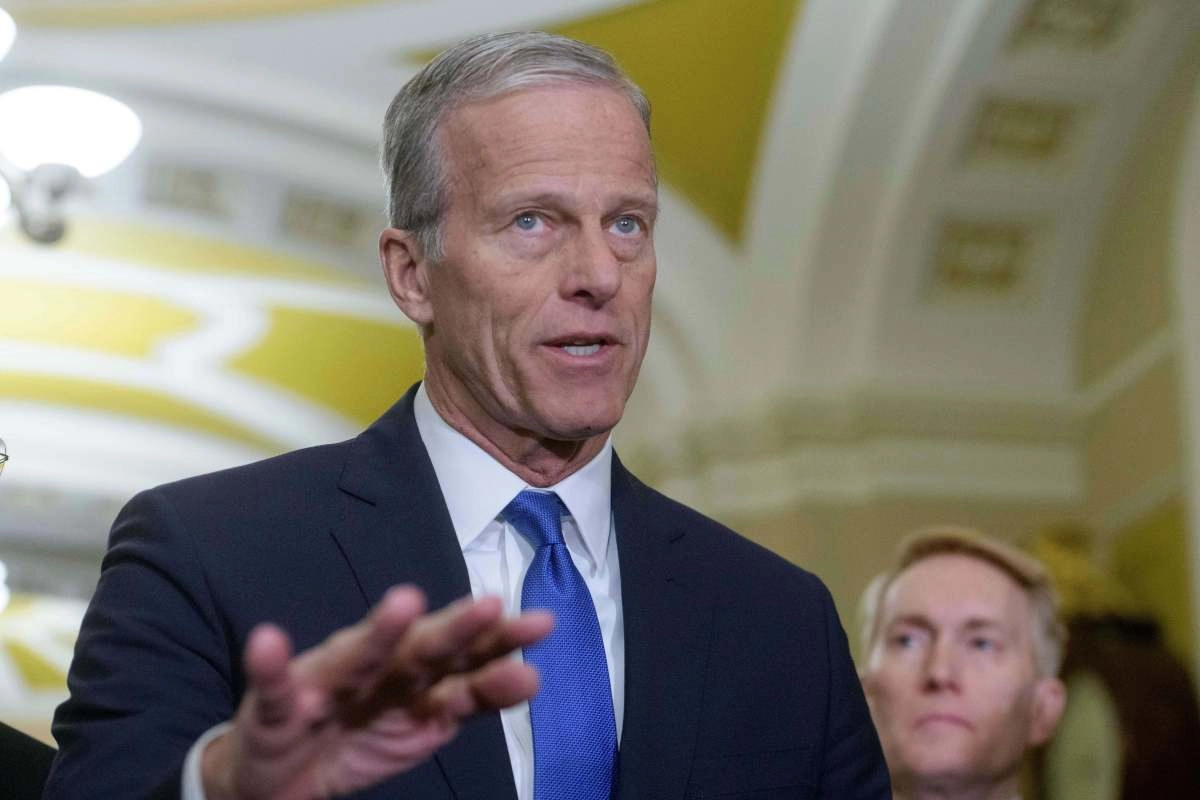
US Senate Majority Leader John Thune on Tuesday rejected any situation involving the use of military power to seize control of Greenland, a crucial place due to its natural resources and geopolitics, amid a growing debate in Washington about the proper future of the Arctic.
The Republican president's statements aim to calm the outcry over recent comments made by a senior White House official, which sparked rumors about a potential US invasion of the island, which is being run by Denmark.
On Tuesday, US Senate Majority Leader John Thune (R-South Dakota ) ruled out any chance that Washington would engage in military action to enslave Greenland, a sovereign territory under Danish rule and viewed as strategic because of its mineral resources and Arctic location.
Controversy in Greenland
Thune's claims come after Stephen Miller, a senior White House consultant, stated that Greenland" if rightly relate to the United States," which sparked debate and concern both inside and outside the nation.
" I don't see military activity as a choice," I say.
Even after the latest US functioning in Venezuela that resulted in the capture of Nicolas Maduro, Thune was unwavering in rejecting any possibility of military intervention in Greenland. " I don't see military action as a viable alternative it. The Republican lawmaker downplayed the statements made by the presidential advisor, saying that "it's not something anyone is really considering".
Primary Encounter with Greenland and Denmark
The Democrat leader recalled that he led a delegation of the US Congress to Denmark last year, held meetings with Danish authorities, and immediately addressed the Greenland issue.
According to him, Norwegian leaders are acutely aware of the strategic significance the island holds for both the United States and other nations with an increasing occurrence in the Arctic.
Availability of Economic and Strategic Agreements
Thune left the door open for diplomatic and trade treaties between the US management, Denmark, and Greenlandic government, despite his opposition to a military takeover. The senator argued that all parties could benefit from the US's strategic and economic existence in Greenland, particularly on issues involving national security, crucial minerals, and stability in the Arctic.
Claims by Stephen Miller
In contrast to Stephen Miller's latest statements, Thune asserted that Greenland should be incorporated into the United States and that no nation would physically problem Washington in the event of an occupation. Miller argued that a defense activity would not need to be discussed, noting that no one would be against US rule in the area.
Lindsey Graham even forbids treatment.
Senator Lindsey Graham (R-South Carolina ), a close ally of President Donald Trump, distanced herself from any military options and made clear distinctions between the cases of Venezuela and Greenland. Graham agreed that the United States may increase its appearance in Greenland to counteract Russia and China's influence in the Arctic, but he added that it should do so through investment, collaboration, and legal agreements rather than force.
Greenland and the Arctic Geopolitical Chessboard
Given its relevance to the Arctic, which is a crucial area because of its shipping routes, resources, and military importance, the restored discussion over Greenland reflects this. However, important legislative leaders ' statements suggest that Washington is rather choosing politics and assistance with its allies over a defense annexation.
This news has been tken from authentic news syndicates and agencies and only the wordings has been changed keeping the menaing intact. We have not done personal research yet and do not guarantee the complete genuinity and request you to verify from other sources too.