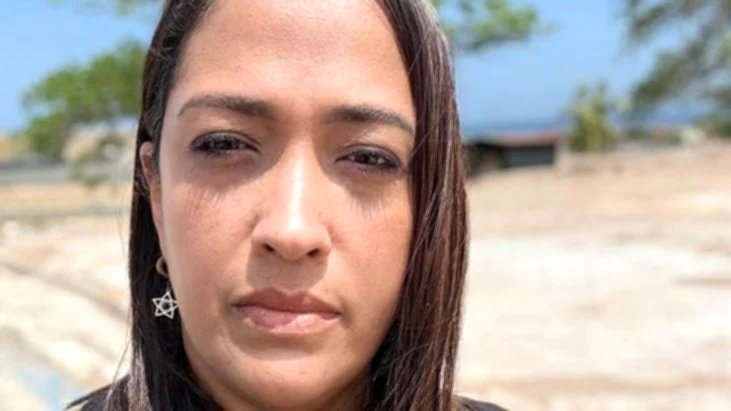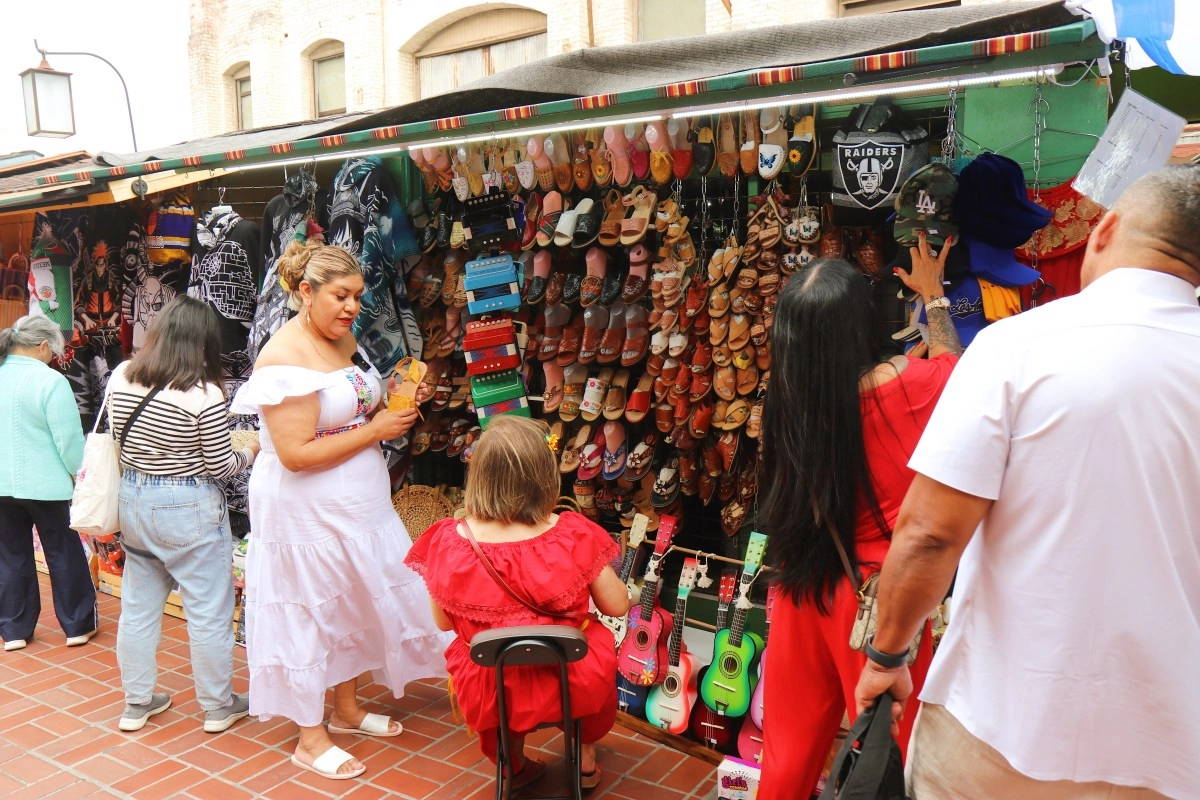

Daisy ngel, a merchant at the Mexican crafts shop" Carmelitas," was delighted when she observed how crowded Placita Olvera was with persons. She smiled from ear to ear all the way. An image that, in her opinion, is not typically seen, especially in the past five decades.
As a family of three stopped in front of her walk in search of some shoes, Daisy says," It's a blessing because, in itself, there are many companies around that are on the verge of closing because of the situation. "
Olvera Street, which is situated near Los Angeles ' birthplace, has been a cultural marketplace with life for all ages for more than 95 years. Businesses that pay tribute to the cuisine, crafts, music, and traditions that determine the city's ancestry were founded by families from Mexico and other countries.
However, this incredible location is now in danger of disappearing, and Placita Olvera's neighborhood merchants and businesses are raising the alarm as they try to save a considerable and cultural place for many of them.
It's about keeping tradition and culture alive, according to Daisy. It has been "terrible to see how the original masters of a number of firms below, with a record of many generations, have had to close because revenue are no longer what they were" say.
Daisy claims that she inherited the barn from her mother, who purchased it several years ago from the previous owner. This tiny part of Los Angeles means anything to her. She claims that before there were just a small crowd, they were merely open on weekends. Additionally, it is stated that she and her husband had a new job to complete during the week to finish what they do not perform at their job.
Things haven't changed since the pandemic, Daisy said, because the crisis had a lot of an impact on us. " I don't believe anything has had as little an impact on us as the fearsome immigration raids. "
According to the Los Angeles County Economic Development Corporation and the Department of Economic Opportunity, 44 % of businesses interviewed reported losing more than half of their income as a result of immigration control measures. According to the report from the start of the raids, 52 % of businesses have reported a decline in sales or daily income, and 51 % have reported a decline in customer attendance.
Many of these companies are multi-generational family owned and operated, with some more than 50 years of service to the community. But, Olvera Street's prospect is in jeopardy right now.
Another business, who chooses not to give her name, reported a 60 % decline in sales since the raids started. Her family has owned her stall for four years, which also sells Hispanic goods. Things of which she is really happy: that she showed us her button that was given to her on Sunday in honor of her family's long-standing business.
You try to remain optimistic, but she said," The truth is it's difficult. " We don't start during the week because it's clear here, so my daughter helps me sell. We have no idea what else to do to draw customers. We don't want to vanish,"" says the phrase.
The mule may be taken out.
Owner of the well-known vehicle, Ricardo Hernandez, says he feels let down when considering the future of this place, which provides so many memories for some, including celebrities, who have taken pictures with the donkey.
His parents, Jess" Don Chuy" and Mara" Tancho" Hernández, founded La Carreta, the residence of Jorge the famous stuffed horse. A Los Angeles prosecutor ordered Hernandez, the stall's owner, to be removed from the premises on March 13 and the company is about to close.
Hernández found himself at his publish while working behind his computer in his last weeks of recovery. People who waited patiently for photos with the renowned donkey adorn themselves with Hispanic royalties.
" It's really sad to see the change, where crime has increased, and enterprise has decreased," Hernandez said. " This is a very comfortable, beautiful place. The president's office should do everything in its power to support these businesses, but it does nothing and we cannot communicate with it.
He claims that despite having a much different business circumstances, his situation has also been impacted by the same difficulties as other businesses. And he claims that the thoughts he's made over the years are the only ones left in the film's last weeks of starting.
" The little circle is my house, I grew up here, this enterprise, and my family have been a part of people's thoughts, and I feel happy," said one of the residents. He claims that this little company is all to him. It's wonderful when people come up to me and show me photographs from when I was five years old, and now that they have their kids, and it saddens me to learn that we will no longer be around.
If the president and other officials don't try to keep this place as it should be, I don't believe everyone can have another three years of this," he continued.
They request funds.
Millions of people from all over the world have walked this ancient city for decades, allowing visitors to discover Los Angeles's heart through the retailers who have kept its tradition alive. These same retailers are now raising money on GoFundMe to keep the small square's companies operating smoothly.
Daisy and various La Opinión spokespeople spoke to about their efforts to get more customers, such as holding events or working with other organizations, as they did recently with Queer Mercado, which held an event that and gained them new customers. They claim on the profile where they are raising money that "our goal is not only success, but also the preservation of a traditional community. "
When I was a young child, I didn't realize how significant this place was to me because it was just my family's job, but now that I'm older and take my kids and explore this area, I appreciate every corner," Daisy said, her tears streaming in her eyes. I don't want them to leave us alone, I don't want this area to vanish because it's too special.