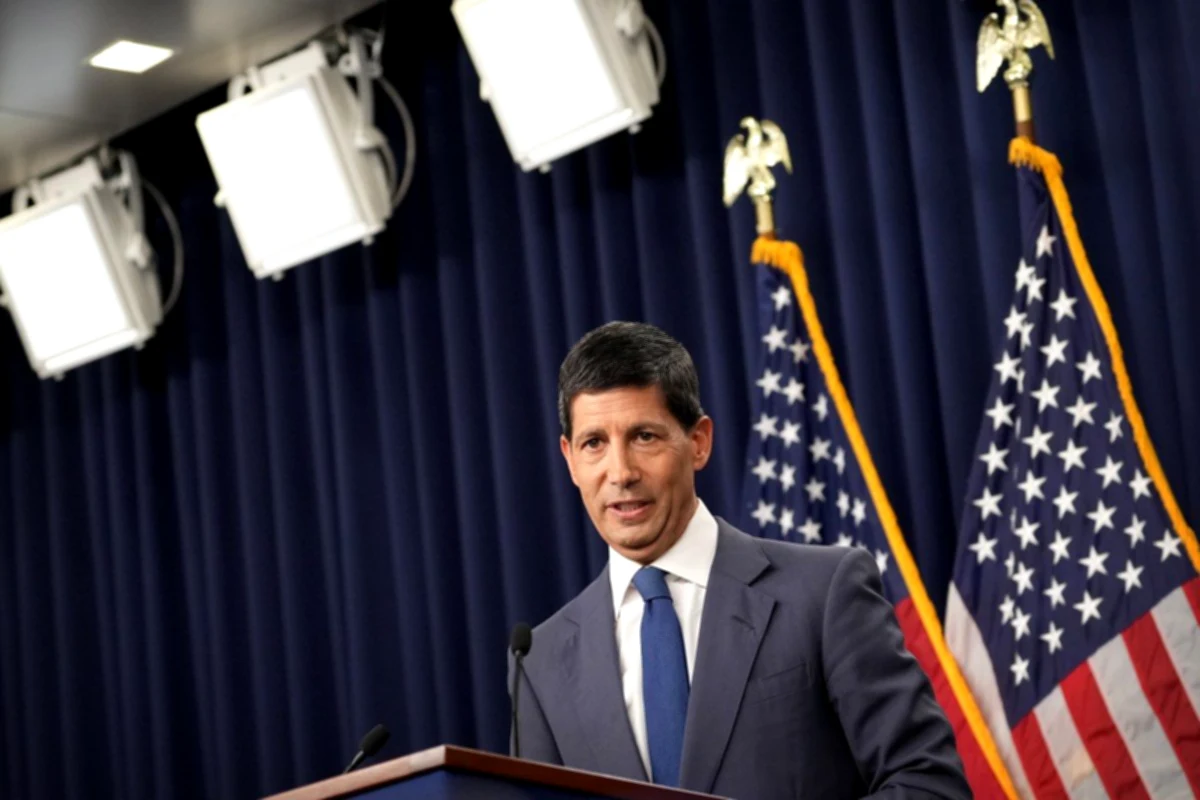

After the latest Consumer Price Index data was released last week by the Bureau of Labor Statistics (BLS), expectations among economists around a rise in interest rates by the Federal Reserve are rising amid intense pressures exercised from the Donald Trump administration to Kevin Warsh for a new cut.
For the month of August, the interannual IPC was 3.4%, a reading higher than the 3.3% recorded in July. The rise was due in part to the heightening of gasoline prices, while the underlying IPC, excluding energy and food prices, also increased by 0.3% to a rate of 2.4% annually.
So far, Warsh has been cautious about the Fed’s next steps unlike its predecessors; however, he does not rule out that monetary policy regulators “have a lot of work to do,” especially in their main goal: to reduce the inflation rate to 2%, something they have not been able to so far.
Currently, interest rates are between 3.50% and 3.70%, and according to CME FedWatch, the odds of a rate rise at its meeting scheduled for Wednesday 16 September increased from 70% to 90%; many economists agree that the rise could be up to 25 percentage points.
Greg Daco, chief economist at EY-Parthenon, commented that some Federal Reserve officials are likely to vote for an increase in interest rates, arguing that the “speed” of the de-inflationary process is no longer satisfactory.
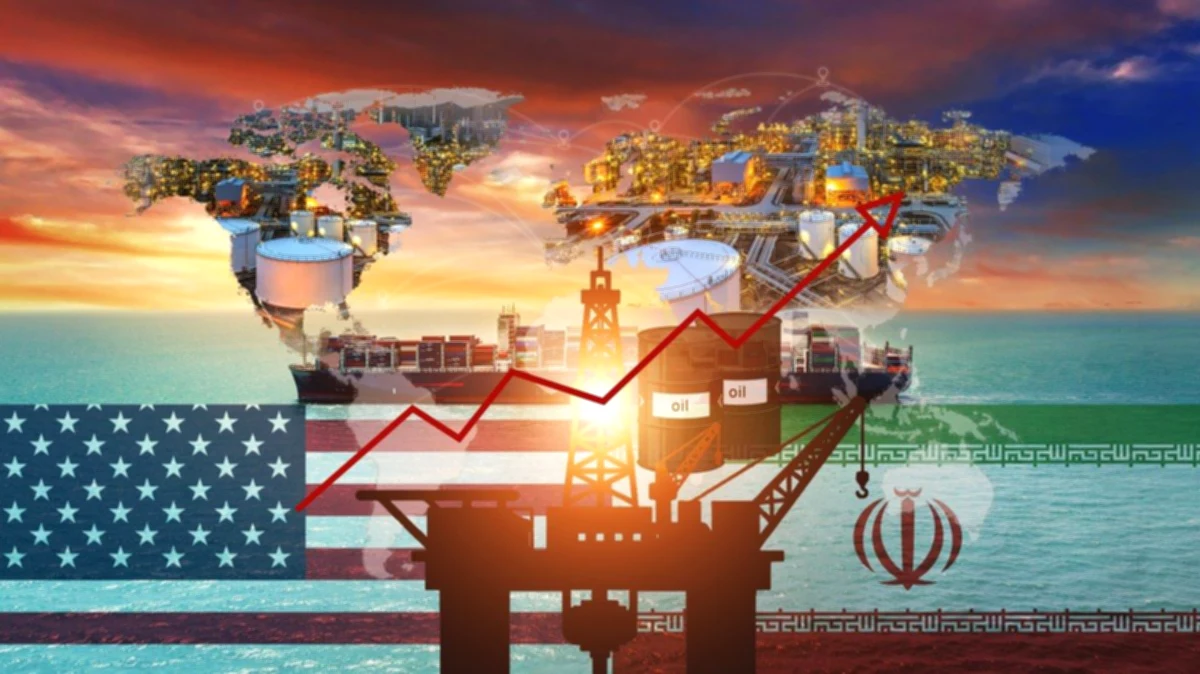
But a rise in debt rates would give a big turn to the already volatile current economy affected by the escalation of the conflict in the Middle East. In this regard, Nationwide chief economist Kathy Bostjancic noted that “the rise in oil, gasoline and diesel prices increases concerns that the rise in prices may affect other goods and services, as well as inflationary expectations.” We expect the Fed to raise interest rates by 25 basis points at the monetary policy meeting," he said.
For his part, Trump has been very insistent about cutting interest rates, noting that “The United States is so strong that we should pay the lowest interest rate in the world,” he said. This has been the same pressure it exercised on the previous Fed president, Jerome Powell, who denied his requests arguing at that time that the economy was not ready to reduce rates.
Some analysts consider that recent data can no longer be ignored, especially due to the pressure exerted by the high oil prices, so they assure that the rise in rates is a fact; in addition, they pose that the decision will not only be based on an increase, but how much that adjustment could be to contain the high inflation.