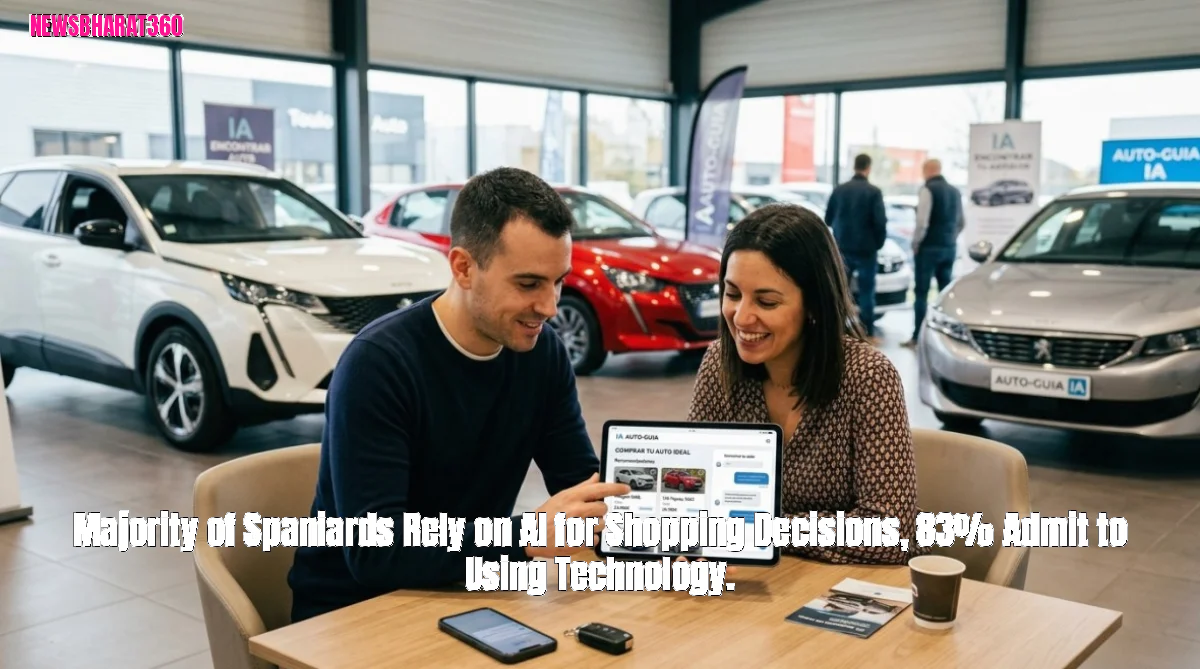

In Spain, consumers are increasingly leveraging artificial intelligence to inform their purchasing decisions, moving beyond traditional methods such as in-store visits, online research, and personal recommendations.
Common Electrical Issues Affecting Vehicles Highlighted in Recent Study. According to recent research, numerous electrical faults can significantly impact the performance and safety of a vehicle. A comprehensive analysis revealed that faulty wiring, short circuits, and malfunctioning sensors are among the most prevalent electrical issues affecting cars. These problems can lead to a range of complications, including engine stalling, faulty lighting systems, and compromised safety features. Furthermore, a study found that electrical faults are responsible for a significant number of vehicle breakdowns, emphasizing the importance of regular maintenance and inspections to prevent such issues.
A recent study by El Observatorio Cetelem, titled "The AI in the Spanish consumer's buying process," reveals that nearly nine in ten Spanish consumers rely on artificial intelligence tools when making purchasing decisions.
For American car enthusiasts, there are numerous models to consider, each catering to a specific driving style and preference. Whether you prioritize performance, comfort, or fuel efficiency, the US automotive market offers a diverse range of options to suit individual tastes. From muscle cars to family-friendly SUVs, there is an American vehicle to suit every driver's needs and budget.
In the automotive industry, consumers are now faced with a multitude of factors to consider when selecting a vehicle, including price, available features, performance capabilities, and distinctions between various brands.
Spanish consumers increasingly rely on artificial intelligence for pre-purchase guidance, with 48% seeking AI recommendations before making a purchase. This trend is particularly pronounced among younger consumers, with 60% of individuals aged 30-34 utilizing AI recommendations. The primary functions of these platforms include product search and comparison, which are utilized by 39% of users, as well as price review, which is employed by 32% of consumers.
Research indicates that AI-driven suggestions can significantly alter purchasing decisions. Approximately half of individuals who utilize artificial intelligence have reported purchasing a product they did not initially intend to acquire after receiving a recommendation. This trend is particularly pronounced among younger consumers, with 68% of those aged 25 to 29 admitting to making impulse purchases following AI-driven suggestions.
A significant proportion of consumers have reported saving money by utilizing AI-powered tools, with 24% of respondents stating they have saved between 50 and 100 euros on their most recent purchases. Furthermore, nearly eight in ten individuals, or 77%, expressed a desire for an AI assistant that can continuously search for offers and better prices.
In Spain, a significant number of car buyers are incorporating artificial intelligence into their vehicle purchasing process. According to recent data, approximately 41% of drivers have utilized AI at some point during their car-buying experience, with a further 16% relying on it as a regular tool.
A significant majority of individuals utilizing digital tools for automotive research employ these platforms to evaluate and compare various models and brands, accounting for 55% of users. Additionally, 36% of users seek alternatives that align with their budget constraints, while 33% utilize the tools to address technical queries and concerns. Furthermore, a notable proportion of drivers, 21%, opt to use AI-driven tools to circumvent direct interactions with sellers, and 19% utilize these platforms to validate pre-existing purchasing decisions.
The data suggest that this technology can serve as a useful tool in the vehicle selection process, enhancing preparedness, while still complementing other sources of information.
A recent survey indicates that Spanish consumers remain cautious about delegating purchasing decisions to AI-powered tools. While 22% of respondents would consider allowing an AI to manage their purchases based on their needs and personal circumstances, nearly two-thirds, or 64%, would not grant such authority. Furthermore, six out of ten consumers would not permit AI systems to make automatic purchases on their behalf.
Consumer concerns over data privacy are escalating, with 78% of individuals worried that companies will utilize their information to determine their willingness to pay. This apprehension contributes to the ambiguity surrounding commercial recommendations, as 44% of consumers remain uncertain about the independence of AI-driven suggestions from specific brands.
Consumers increasingly rely on artificial intelligence to inform purchasing decisions, particularly when buying products and cars. However, the ultimate choice remains contingent on the trustworthiness of the information provided. While technology can streamline the comparison process and offer guidance, it is still not a substitute for human judgment or the need to verify data before making a financial commitment.