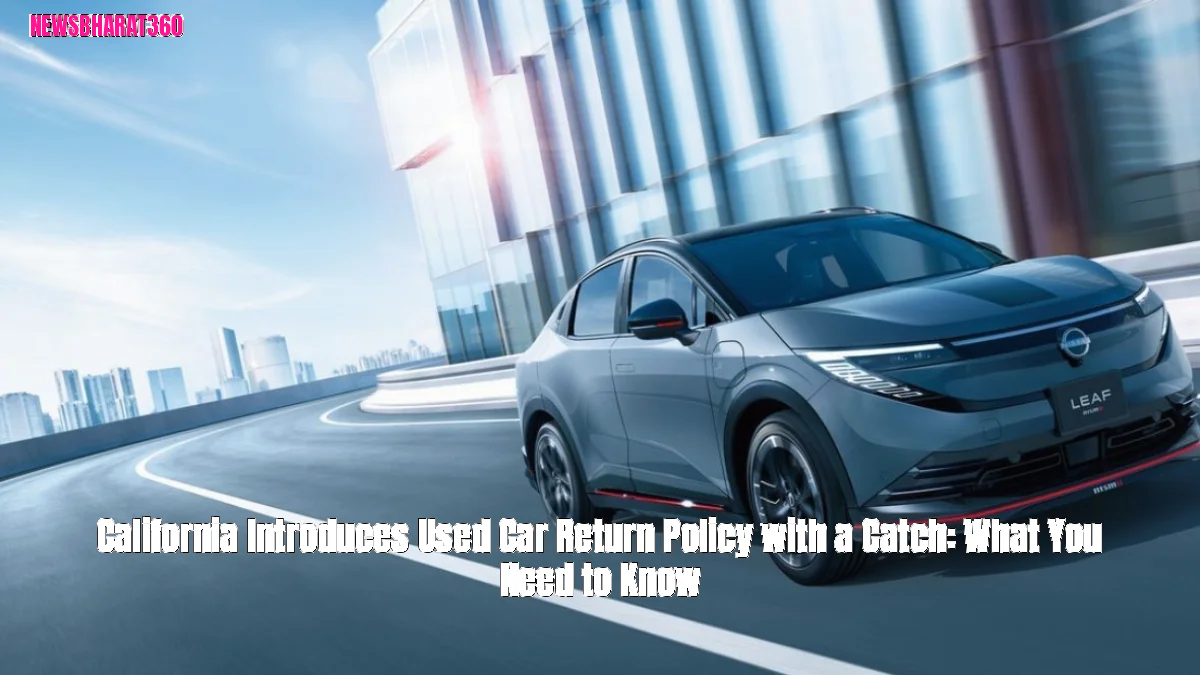

California has introduced a new consumer protection measure, effective October 1, 2026. Under this regulation, buyers of used vehicles from authorized dealers will have a three-day window to cancel their purchase, subject to certain fees and charges.
Electrical System Failures Pose Significant Risks to Vehicle Safety and Reliability. A recent study has highlighted the most common electrical faults that can impact a car's performance and potentially compromise its safety. These issues can arise from a variety of factors, including faulty wiring, malfunctioning sensors, and electrical component failure. According to the data, the most frequent electrical faults in vehicles include issues with the battery, starter motor, and alternator. These components are crucial to a car's electrical system and play a vital role in ensuring its smooth operation. Faulty wiring and electrical connections are also common causes of electrical system failures. In some cases, these issues can be attributed to poor maintenance or inadequate repairs. However, in many instances, they can be the result of manufacturing defects or design flaws. The consequences of electrical system failures can be severe, ranging from reduced fuel efficiency and decreased performance to complete system shutdowns. In extreme cases, these issues can lead to accidents and injuries. To mitigate these risks, car owners are advised to regularly inspect their vehicle's electrical system and address any potential issues promptly. This can help prevent costly repairs and ensure the overall reliability and safety of their vehicle.
A provision of the CARS law, enacted through Senate Bill 766 in 2025, seeks to enhance consumer safeguards and eradicate dubious practices in the automotive sales industry.
American Automobile Market Offers Diverse Options for Drivers The American automotive industry has a wide range of vehicles catering to various driving preferences and needs. From compact sedans to luxury SUVs, there is an option available for each driver. Whether you prioritize fuel efficiency, performance, or comfort, the market offers a diverse selection of models to suit individual tastes and requirements.
A new provision in California targets used vehicles purchased or leased for $50,000 or less from licensed dealerships. The measure specifically excludes new vehicles, motorcycles, private sales and certain auction operations from its scope.
While weekends typically count towards concessionary periods, there may be exceptions if the concession remains closed at the end of the designated timeframe.
Vehicle return requirements stipulate that the buyer must deliver the vehicle to the original dealership within the designated service period and with a mileage limit of 400 miles or less.
The automatic right to cancel a vehicle purchase comes with potential refund-related costs for consumers. Dealers may impose a fee, calculated at 1.5% of the vehicle's purchase price, with a minimum of $200 and a maximum of $600.
Travelers can expect an additional charge of $150 per mile for each mile exceeding the initial 250-mile threshold.
A vehicle owner may be subject to the maximum charge if they return a vehicle with a high purchase price, such as one costing $40,000, and have traveled a significant distance, exceeding 400 miles.
The legislation also addresses scenarios where a buyer has surrendered their previous vehicle as partial payment. In cases where the concessionary has already sold the vehicle or initiated the transfer of ownership, it is required to provide compensation in accordance with established guidelines.
A dealer typically has 48 hours to cancel a contract and initiate a refund following a valid cancellation, although verification of payment may temporarily extend the timeframe.
A newly implemented protection measure in California does not supersede existing mechanical inspection requirements, nor does it eliminate the possibility of buyers returning vehicles if they are not satisfied. Instead, it provides buyers with a temporary reprieve to reassess their purchase without being immediately committed to the transaction.