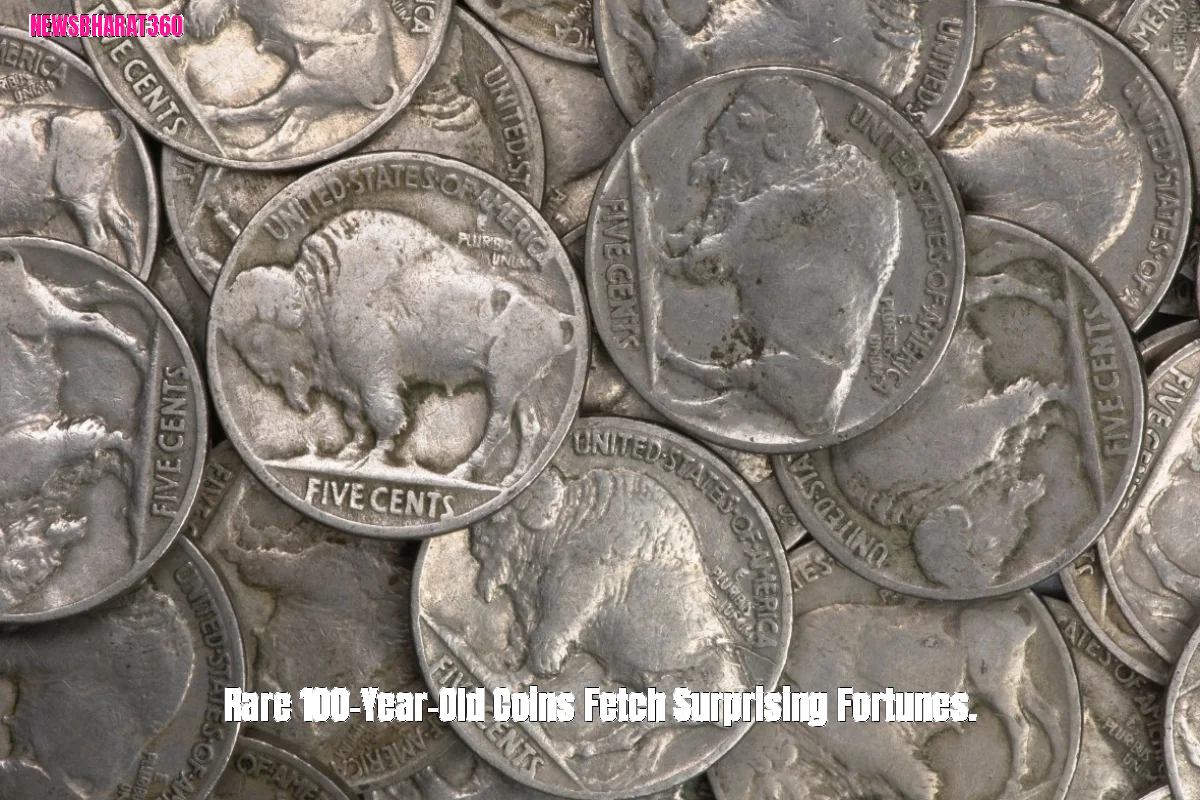

Individuals in the United States should exercise caution when spending coins received as exchange, taking note of their dates and designs. Certain vintage coins have become highly sought after by collectors, potentially commanding prices significantly exceeding their original value, although discovering one does not automatically guarantee substantial financial returns.
A highly sought-after five-cent coin is extremely rare, with only five known copies in existence, contributing to its exceptional scarcity.
A rare piece with a PR66 rating was sold for $4.56 million in 2018, as reported by Luxe Digital and USA Today. A separate item, classified as PR63, achieved a sale price of $4.2 million in 2022.
A rare coin has garnered attention due to an error in its minting, specifically the retention of the date '7' from 1917 below the corrected '8', rendering it a highly sought-after item among collectors.
A rare copy of the item in excellent condition was sold for $350,750 in 2006, as reported by Luxe Digital.
A San Francisco minted coin from 1926 is identified by the letter S, with a limited production run of 970,000 units.
A piece graded MS66 by the Numismatic Guarantee Corporation (NGC) was sold at a 2008 Bowers and Merena auction for $322,000, according to records from the Professional Coin Grading Service.
A distinctive feature of this coin is the presence of rays surrounding the numeral five on its reverse side, a characteristic that sets it apart from other coins of its era.
A certified NGC copy graded PR66 was sold for $132,250 in an auction conducted by Heritage Auctions in 2004.
Certain five-cent silver coins minted during World War II possess value exceeding their face denomination. According to The Spruce Crafts, the value of these coins can range from approximately $16, contingent upon their specific characteristics.
Individuals discovering old coins are advised to carefully examine the date, authenticity, and any potential flaws. To preserve the coin's value, it is recommended to avoid cleaning the surface, as this could lead to damage. Prior to selling the coin, prospective sellers should research verified auction prices and consider consulting a professional appraiser, as the listed price may not accurately reflect the amount a buyer is willing to pay.
Additional Stories of Note