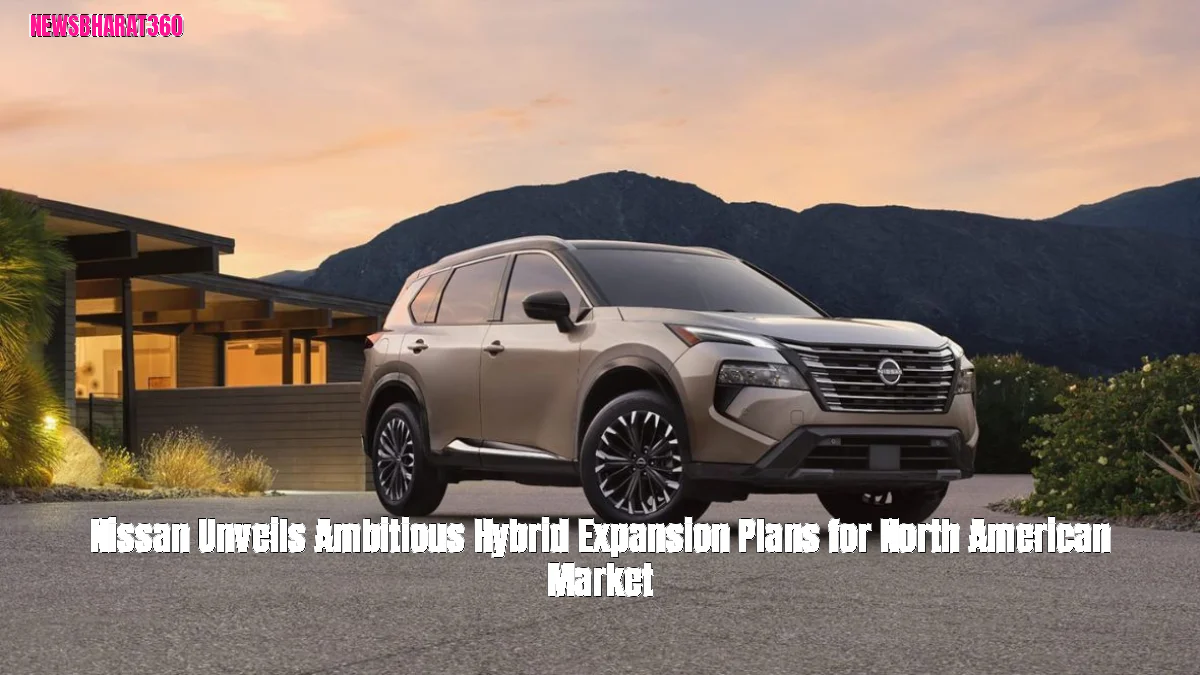

Nissan is reassessing its electrification strategy in the US market, shifting its focus towards becoming a key player in the hybrid segment by 2030. The company's current limited involvement in the hybrid market will be significantly expanded in the coming years.
General Motors operates a business that is largely overshadowed by its more prominent brand, Chevrolet. The company's commercial vehicle division, which produces vehicles such as the Chevrolet Express and GMC Savana, generates significant revenue for the automaker.
Nissan Americas President Christian Meunier announced that the company's expansion will primarily focus on the development and production of sport utility vehicles and pickup trucks.
Annual insurance premiums for a BMW can be substantial, often exceeding thousands of dollars.
The Rogue is expected to play a key role in the shift towards hybrid vehicles, with a projected 30-40% of its sales anticipated to be comprised of the hybrid model.
The production of the Rogue e-Power will feature a dual sourcing strategy, with initial shipments arriving from Japan. Meanwhile, the gasoline-powered variant will commence local production at the Smyrna, Tennessee facility in summer 2024. The hybrid model is slated to join production at the same plant in early 2028.
Nissan's manufacturing plant has an annual production capacity of approximately 600,000 units, with current output reaching around 400,000 units. The company is poised to potentially increase production by adding an additional production line, contingent on the strong demand for its hybrid vehicles meeting projected expectations.
The proposed action aims to enhance domestic production of electric vehicles, thereby increasing their availability in the US market and decreasing reliance on imported models.
Nissan is poised to expand its lineup, introducing a broader range of SUVs in various sizes, as well as vehicles with enhanced cargo capabilities.
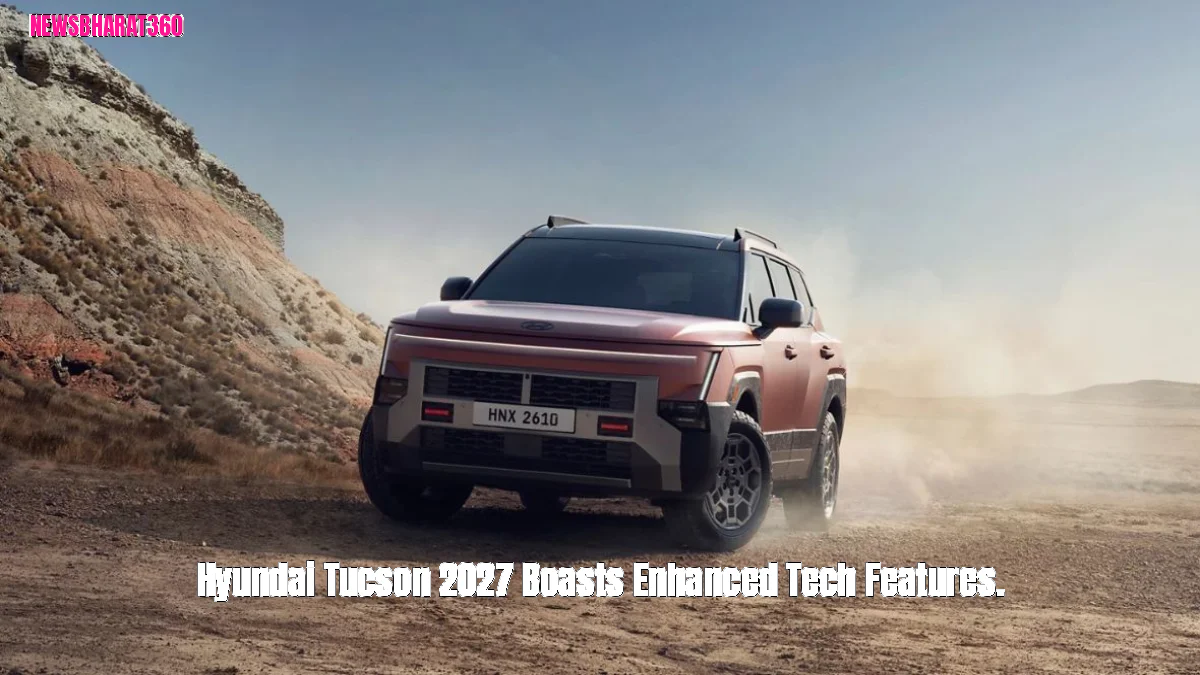
Nissan has officially confirmed plans for the Xterra hybrid, with the Frontier emerging as a likely candidate to adopt similar technology in the future. Additionally, the company is developing the Kicks e-Power, a model set to debut around 2028.
Nissan plans to introduce hybrid options across a significant portion of its SUV lineup in the near future. However, V6 powertrains will be reserved for models that prioritize towing capacity and performance, where a hybrid alternative is deemed less essential.
Nissan has scaled back its projections for plug-in hybrid sales in the US market, with the segment experiencing a significant decline, effectively shrinking to nearly zero, as per the company's assessment.
Nissan has reportedly placed orders for approximately 1,500 units of its proposed plug-in hybrid electric vehicle (PHEV) for the 2027 model, with half of those orders already fulfilled. In light of this development, the company is now considering conventional hybrid and e-Power technology as potential alternatives to achieve higher production volumes.
Nissan aims to significantly enhance its hybrid offerings by 2030, seeking to close the gap with Japanese and U.S. automakers who have a more established presence in this technology.