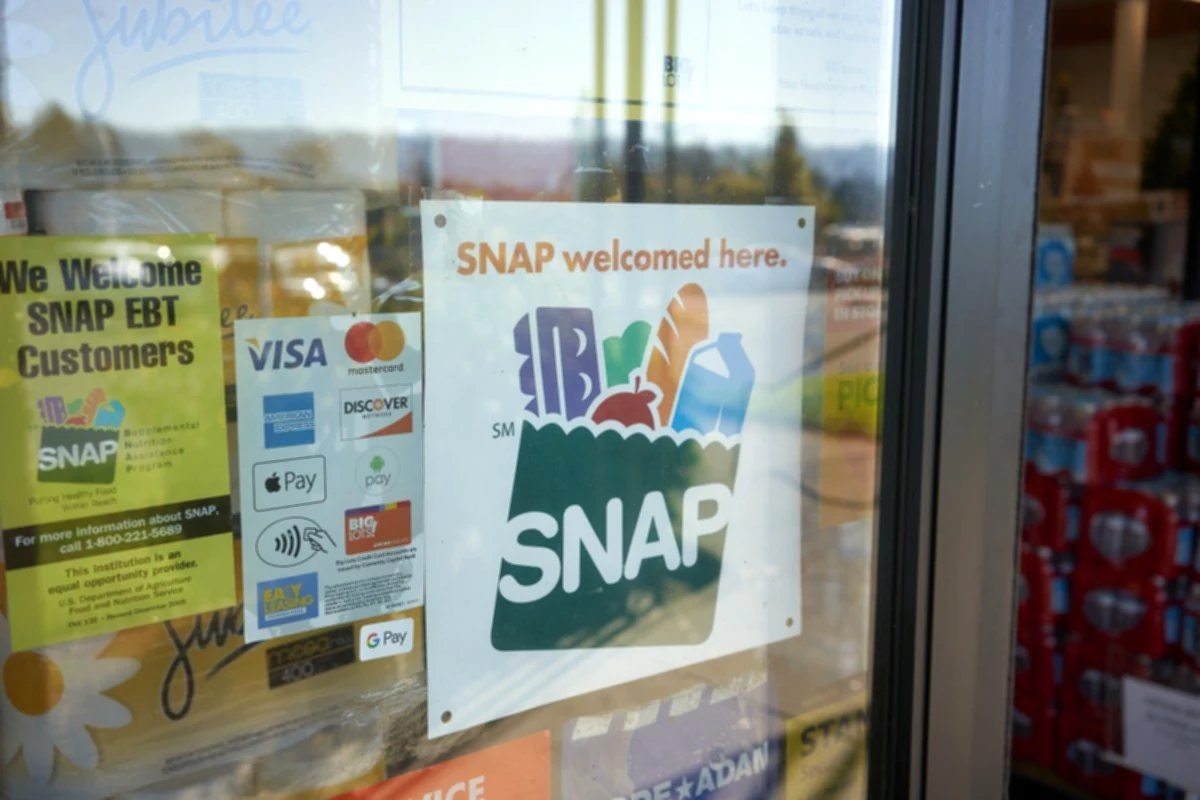

More than 30 million Americans receive economic aid each month from the Department of Agriculture through the Supplemental Nutritional Assistance Program ( SNAP ) to ensure the country's most underprivileged and low-income households.
Beneficiaries can purchase food from the program's basic basket at retail stores, agricultural markets, and supermarkets with the money being distributed monthly to an EBT ( Billing Trust ).
The number of people who live in the home that is associated with the program determines the amount of money given to each community or beneficiary. In this case, the amount is distributed as follows:
Additionally, some claims of the nation's economy have high inflation rates, so some families in places like Alaska or Hawaii you get up to$ 3, 000.
The system has seen a 13 % decline in benefits applications in recent months as a result of new federal government restrictions on household income and labor requirements, which have made many people who don't adhere to these new regulations not be eligible for financial aid.
The state with the highest percentage of application errors has been Arizona with 50 %, as well as Florida, Georgia, or Louisiana with 20 %, according to data from the Department of Agriculture.
For experts such as Carolyn Vega, policy analyst for the defense group Share Our Strength, the new rules to the program carry other more serious consequences, such as leaving millions of children without access to free school breakfast and lunches and collapsing food banks that fail to fully cover this need.