Warning Signs You're Falling Prey to Black Friday Spending Frenzy: Know the Telltale Signs of Compulsive Shopping - NewsBharat360
NewsBharat360 Logo

Warning Signs You're Falling Prey to Black Friday Spending Frenzy: Know the Telltale Signs of Compulsive Shopping

Warning Signs of Overspending on Black Friday: Identifying Financial Loss of Control As the highly anticipated Black Friday shopping event approaches, consumers need to be aware of potential warning signs that indicate they are losing control of their spending habits. By recognizing these behaviors, individuals can take proactive steps to maintain a balanced financial situation and avoid excessive debt accumulation. Some common indicators of overspending during Black Friday include: - Feeling anxious or stressed when thinking about the sales and discounts - Prioritizing purchases based on emotional appeal rather than practical needs - Ignoring budget constraints and overspending on impulse buys - Feeling guilty or ashamed about past overspending habits - Using credit cards to finance purchases, leading to accumulating interest charges - Feeling pressured to keep up with friends or family members who are also shopping If you identify with any of these behaviors, it may be time to reassess your spending habits and develop a more mindful approach to shopping during Black Friday. By being aware of your financial situation and making informed purchasing decisions, you can maintain control over your spending and avoid financial pitfalls.

warning signs you re falling prey to black friday spending frenzy know the telltale signs of compulsive shopping
Maharanee Kumari
Maharanee Kumari Nov 27, 2026 - 04:04 UTC
Time to Read 9 Min
Share:

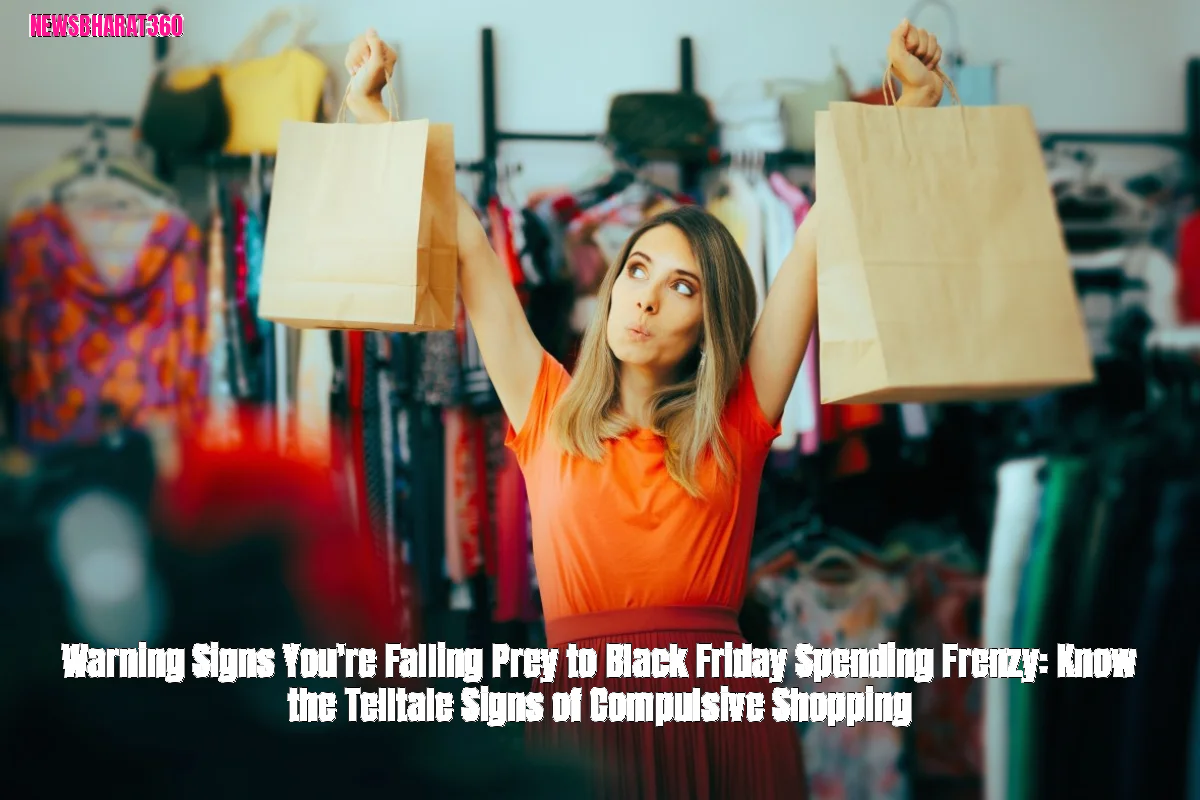
As consumers prepare for Black Friday shopping, it's worth taking a moment to reflect on the potential underlying motivations behind their purchases. Compulsive shopping, a behavior that can have significant financial implications, affects many individuals and may be more prevalent than initially thought.

Individuals may experience financial difficulties when they lose control over their spending habits, making impulsive purchases and continuing to overspend despite being aware of the negative impact on their financial well-being.

A recent study featured in the scientific journal Current Addiction Reports has outlined key characteristics of compulsive shopping disorder. The research highlights three primary features of the condition, including a loss of control over shopping behavior, the use of shopping as a means to regulate emotions, and the persistence of this behavior despite its negative consequences.

As shoppers navigate the frenzy of Black Friday sales, it's essential to remain vigilant and recognize potential warning signs before making a purchase, lest the pressure to snag a deal cloud judgment.

As consumers gear up for Cyber Monday, a day of significant online shopping, a growing concern has emerged regarding the proliferation of fake advertisements created using artificial intelligence. These AI-generated ads can be nearly indistinguishable from legitimate ones, making it increasingly difficult for consumers to discern authenticity. In recent years, the use of AI in online advertising has become more prevalent, with some estimates suggesting that by 2025, AI-generated ads will account for nearly 80% of all online advertisements. This trend has raised concerns among consumer protection agencies and experts, who warn that AI-generated ads can be used to deceive consumers, manipulate prices, and compromise their personal data. To protect themselves from falling victim to these fake ads, consumers are advised to be cautious when clicking on unfamiliar links or responding to unsolicited messages. They should also be wary of ads that seem too good to be true, as these may be indicative of AI-generated content. Furthermore, consumers are encouraged to verify the authenticity of online retailers and their websites before making a purchase. In addition to these precautions, experts recommend that consumers use reputable antivirus software and keep their browsers and operating systems up to date to minimize the risk of malware and other online threats. By taking these steps, consumers can reduce their exposure to AI-generated fake ads and ensure a safer online shopping experience on Cyber Monday and beyond.

Consumers may be tempted to deviate from their shopping lists when they notice discounts on non-essential items, including clothing, electronics, household goods, and accessories.

The focus shifts from determining whether a product is necessary to calculating the potential cost savings that can be achieved by acquiring it.

Research suggests that individuals may engage in excessive shopping as a coping mechanism to alleviate feelings of stress, boredom, sadness, or anxiety.

The initial satisfaction derived from acquiring a new item can be fleeting, often giving way to a renewed desire for further purchases in an attempt to recapture the same emotional high.

Consumers who experience buyer's remorse after making a purchase should be aware of their emotions and take necessary steps to address any concerns.

The cycle of enthusiasm, impulse buying, and subsequent remorse can persist throughout the discount season, particularly when there is no defined spending cap.

Certain behaviors, such as concealing packages, deleting purchase notifications, and limiting financial discussions with family members, may indicate that an individual is preoccupied with their consumer choices.

Individuals who feel compelled to conceal their purchases from others may benefit from examining the underlying motivations behind their behavior.

Borrowing or dipping into savings to take advantage of promotional offers can serve as a financial red flag, indicating potential overspending and financial strain.

Consumers may utilize multiple credit cards or alternative payment methods, such as buy now, pay later services, to facilitate ongoing purchases.

The issue lies in using payment methods that are not readily available, ultimately leading to the assumption of financial obligations that cannot be fulfilled in the future.

Individuals who frequently purchase multiple items of the same type, as well as those who retain products for extended periods without utilizing or showcasing them, or who rapidly lose enthusiasm for recently acquired items, may warrant further attention.

The motivation behind purchasing often stems from the thrill of acquiring a product, rather than its intended use. This mindset can lead to an accumulation of possessions and a substantial waste of financial resources.

Seeking assistance from a mental health professional is often the most effective initial step in addressing addiction, particularly when it has led to financial difficulties, strained family relationships, emotional distress, or challenges in fulfilling personal responsibilities.

You may be interested:

Black Friday Shopping Tips: Opting for Credit Card Payments and Managing Package Delivery Issues As the holiday shopping season approaches, consumers are advised to consider paying for their Black Friday purchases with a credit card. This payment method offers several benefits, including purchase protection, rewards, and the ability to dispute charges in case of any issues. Meanwhile, with the rise of online shopping, consumers may encounter package delivery issues, particularly on Black Friday. In 2026, a common problem is packages being marked as delivered but never arriving at the customer's doorstep. If this occurs, it is essential to contact the shipping carrier immediately and initiate an investigation to locate the missing package. In addition to navigating package delivery issues, consumers are also advised to carefully evaluate the value of buying refilled products on Black Friday. While refilled products can offer significant savings, they may also compromise on quality and performance. Consumers should weigh the pros and cons of purchasing refilled products and consider alternative options that meet their needs and budget.


Warning Signs of Overspending on Black Friday Consumers are often enticed by the promise of deep discounts and exclusive deals on Black Friday, but excessive spending can have long-lasting financial consequences. Identifying the warning signs of overspending can help individuals avoid financial pitfalls and make more informed purchasing decisions. One indication of overspending is when purchases exceed a predetermined budget, often due to impulse buying or emotional attachment to a product. When individuals consistently exceed their budget, it can lead to financial strain and compromise long-term financial goals. Another red flag is when purchases are made with the intention of reselling items online, rather than using them personally. This practice, known as "flipping," can lead to a cycle of buying and selling, ultimately resulting in financial losses. Additionally, overspending on Black Friday can be a symptom of a larger issue, such as a lack of financial discipline or a tendency to prioritize short-term gains over long-term financial stability. Individuals who consistently overspend on Black Friday may benefit from reassessing their financial priorities and developing healthier spending habits. Furthermore, the pressure to keep up with consumer trends and social media influencers can lead to impulsive purchases, often driven by emotions rather than practical needs. When individuals prioritize keeping up with the latest fads over their financial well-being, it can have severe consequences for their financial health. Overspending on Black Friday can also be a sign of underlying financial stress or anxiety. When individuals use shopping as a coping mechanism for emotional issues, it can lead to a vicious cycle of overspending and financial strain. Lastly, the aftermath of Black Friday shopping can be a reflection of one's financial habits. When individuals struggle to pay off credit card balances or experience financial stress in the days following the shopping event, it may be a sign that they need to reassess their spending habits and develop more sustainable financial practices.

Unplanned Purchases on the Rise: Consumers Increasingly Falling Prey to Impulse Buys. Research has shown that a significant portion of consumers are succumbing to impulse purchases, often resulting in unintended expenses. According to a recent study, nearly 70% of shoppers reported making unplanned purchases during their last shopping trip, with the average individual spending approximately $100 on impulse buys. This trend is particularly prevalent among younger generations, with 80% of millennials admitting to making impulse purchases. The study also found that social media plays a significant role in influencing these unplanned purchases, with 60% of respondents citing online advertisements as a major factor in their decision-making process.

Research Suggests Retail Therapy May Have a Lasting Impact on Mental Health A growing body of evidence suggests that shopping can have a profound impact on an individual's mood and overall mental well-being. Studies have shown that engaging in retail activities can release endorphins, also known as "feel-good" hormones, which can help alleviate symptoms of anxiety and depression. In 2013, a study published in the Journal of Retailing and Consumer Services found that women who shopped for themselves experienced a significant boost in their mood and self-esteem. The study, which involved 150 women, discovered that shopping for personal items led to increased feelings of happiness and reduced stress levels. Similarly, a 2019 study published in the Journal of Consumer Research found that shopping can have a lasting impact on an individual's mental health. The study, which involved 1,000 participants, discovered that people who shopped regularly experienced improved mood and reduced symptoms of depression. While the exact mechanisms behind the mood-boosting effects of shopping are not fully understood, researchers believe that the act of shopping can provide a much-needed distraction from daily worries and stressors. Additionally, shopping can provide an opportunity for individuals to treat themselves and engage in self-care activities, which can have a profound impact on mental health. Overall, the evidence suggests that shopping can be a valuable tool for improving mood and reducing symptoms of anxiety and depression. However, it is essential to note that shopping should not be relied upon as the sole means of managing mental health, but rather as a complementary activity to other forms of self-care and therapy.

Researchers Investigate Complex Human Emotions Through Experimental Design A recent series of studies delved into the intricacies of human emotions, focusing on the interplay between guilt and emotional responses. The experiments, conducted in a controlled environment, aimed to better understand the underlying psychological mechanisms driving these complex feelings. By manipulating variables and observing participant reactions, the researchers sought to shed light on the cognitive processes involved in experiencing guilt and its associated emotional consequences.

A recent survey revealed that nearly 60% of Americans hide their purchases from their partners, with some even going to the extent of lying about how much they spent. The findings, based on a poll of over 2,000 adults conducted in January 2023, suggest that financial dishonesty is a widespread issue in many households. According to the survey, the most common reasons cited for hiding purchases included avoiding arguments with partners, feeling embarrassed about spending habits, and trying to maintain a sense of financial control.

Consumers can continue making purchases by utilizing their credit cards, allowing them to maintain their shopping activities uninterrupted.

Households are accumulating an increasing amount of unused consumer goods, with many items being stored for extended periods of time.