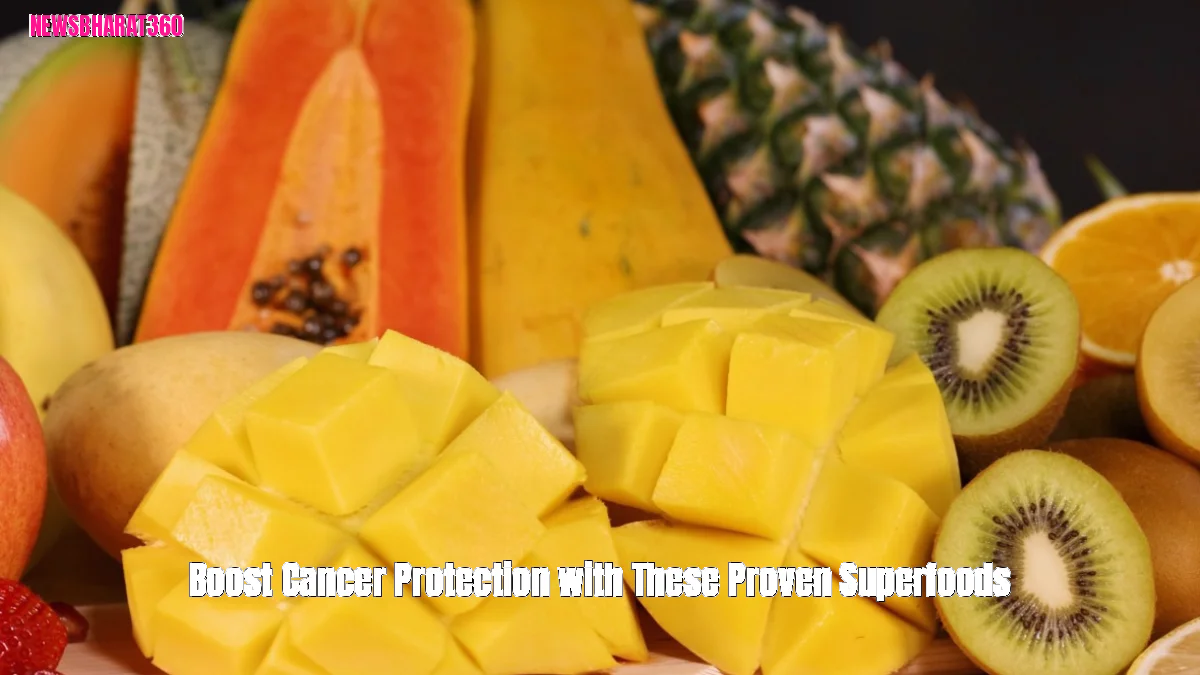

A plant-based diet can play a significant role in reducing cancer risk when incorporated as part of a comprehensive prevention strategy. According to radiotherapist oncologist Heather Zinkin, consuming fruits and other plant-based foods can provide essential fiber and compounds like flavonoids, thereby bolstering the body's natural defenses.
The head of the radiotherapy service at Northwell Huntington Hospital in New York emphasizes the importance of nutrition in cancer prevention, advising patients to view food as a vital tool in maintaining overall health rather than a consideration to be addressed after a cancer diagnosis.
Researcher Zinkin highlights that mutations in precancerous cells are a common occurrence, yet not all individuals develop cancer due to the body's immune system actively correcting these mutations with the aid of compounds such as flavonoids.
Intense colors in plants are frequently associated with the presence of compounds that possess antioxidant properties.
Research has established a link between dietary fiber and its positive impact on gut health, with studies indicating that a high-fiber diet may also be associated with a reduced risk of various types of cancer.
A balanced diet is achieved by consuming a variety of fruits, each offering distinct nutritional benefits, rather than relying on a single type for sustenance.
Red fruits, including strawberries, raspberries, and strawberries, are notable for their high content of anthocyanins, a powerful antioxidant. Additionally, apples are a rich source of dietary fiber and polyphenols, while kiwis offer a combination of vitamin C and fiber.
Research has linked various fruits, including citrus, mango, and cherries, to potential health benefits. Specifically, citrus fruits such as oranges and mandarins have been associated with protective effects. Mangoes are rich in antioxidant compounds, while cherries are notable for their high levels of pigments and melatonin content.
A nutrient-rich sandwich can be created by combining certain ingredients, including lycopene-rich tomatoes, antioxidant-rich grapes, and healthy fats and fiber from avocados. According to expert advice, the dark green pulp of avocados, in addition to the skin, should be utilized to maximize the nutritional benefits.
Research findings suggest correlations and potential pathways between fruit consumption and cancer prevention, but they do not provide conclusive evidence that eating a particular type of fruit can definitively prevent cancer.
A new initiative aims to emphasize the importance of incorporating a diverse range of fruits into a balanced diet as a complementary approach to overall health, rather than relying solely on them for medical treatment or preventive care.
Consuming fruits in their fresh and raw state is the most effective way to preserve their nutrient content. When cooking fruits, it is essential to minimize water usage, cooking time, and heat intensity to prevent nutrient loss. This is particularly crucial for vitamin C and other antioxidants, which are highly susceptible to degradation from exposure to oxygen, light, prolonged heat, and excessive moisture.
Better options
Consuming raw and freshly washed produce is the most effective method of retaining essential vitamins, minerals, antioxidants, and fiber.
When using fruits and vegetables in recipes, it is recommended to utilize the skin whenever feasible, as it can provide fiber and natural protective compounds. However, peeling should be done only when the recipe specifically requires it or when safety is a concern.
Cutting vegetables just before serving helps preserve their nutritional value by minimizing exposure to oxygen, which can cause vitamin degradation.
To minimize the loss of water-soluble vitamins, consider cooking vegetables briefly using steam or the microwave. This approach reduces exposure to water, thereby preserving more of these essential nutrients.
Freezing produce shortly after harvesting helps retain a significant amount of its nutrients, making it an ideal method for preserving large quantities or preparing desserts in advance.
A batch of liqueur production preserves the fiber from the fruit, with the juice coating separating a significant portion of it.
What should be avoided
Prolonged cooking or excessive use of water can lead to the leaching of vitamin C and other water-soluble vitamins into the cooking liquid, resulting in a potential loss of these essential nutrients.
Prolonged removal or cutting of produce can lead to accelerated oxidation and nutrient degradation.
Prolonged exposure to high heat during cooking can lead to the degradation of certain vitamins found in fruits.
Additional Relevant Information
Individuals with rheumatic diseases should be cautious when consuming certain natural foods, as some diets may alleviate symptoms but fail to address underlying inflammation. In addition to managing their condition through dietary choices, individuals can also take proactive steps to maintain the health of their arteries.