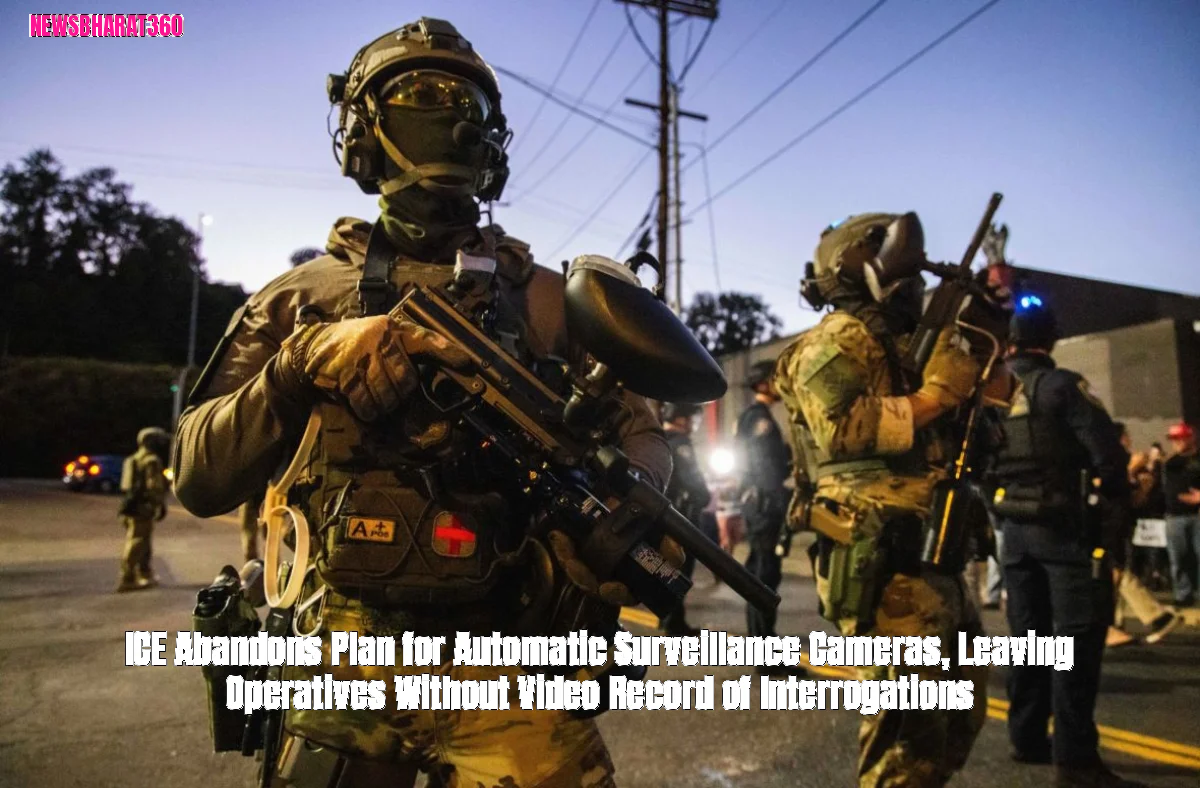

The Immigration and Customs Control Service's (ICE) decision not to implement body cameras with automatic activation has once again raised concerns about the performance of federal agents. This move comes amidst growing scrutiny of ICE operatives' actions, including aggressive arrests and shootings, where the absence of recordings has hindered efforts to achieve transparency and accountability.
A recent report by the U.S. Government Accountability Office (GAO) has highlighted the need for Immigration and Customs Enforcement (ICE) to enhance its procedures for ensuring that its agents activate their body-worn cameras in relevant situations. In response to the report, the Department of Homeland Security (DHS), which oversees ICE, has declined to adopt one of the key recommendations, which involves the implementation of technology that automatically activates cameras in specific circumstances.
Concerns over privacy have emerged as a central issue in the debate surrounding the proposed system. The Department of Homeland Security has cautioned that the technology could inadvertently capture sensitive discussions involving whistleblowers or victims, potentially compromising confidentiality, and also raise concerns in situations where recording is prohibited.
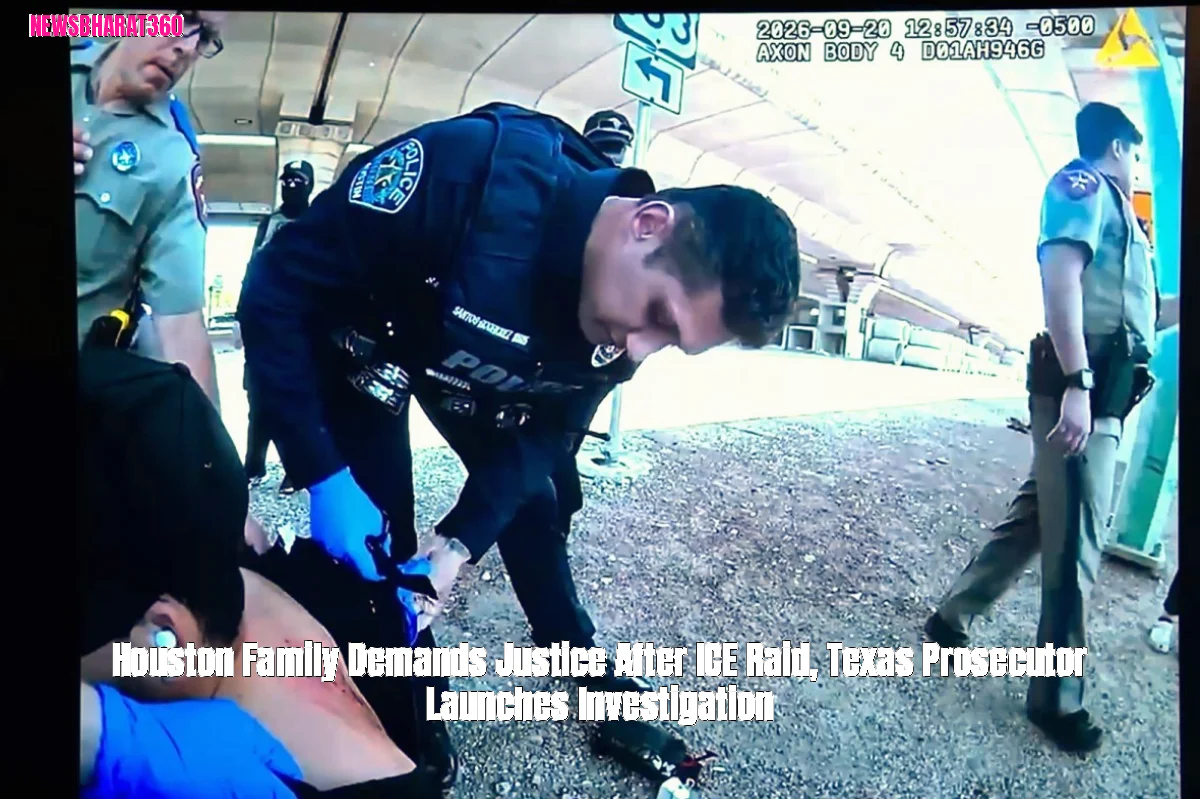
The significance of the discussion escalated following the tragic death of Lorenzo Salgado Araujo, a Mexican national who had resided in the United States for over 35 years, in a July 2026 incident involving fatal shootings by Immigration and Customs Enforcement agents.
The lack of body cameras worn by the agents involved has sparked concerns regarding the deployment of such equipment and the potential for documenting incidents where force is utilized.
In a previous announcement, Kristi Noem, then Secretary of National Security, stated that officers deployed in Minneapolis would be equipped with body cameras. Additionally, she indicated that the body camera program would be expanded nationwide once sufficient resources were allocated.
The US Congress has allocated $20 million to finalize the implementation plan, however, the distribution of devices and staff training still require completion.
According to a recent report by the Government Accountability Office, the Department of Homeland Security has confirmed that all Immigration and Customs Enforcement offices have been equipped with cameras by August 5.
A recent report highlighted several operational challenges within the agency, including confusion among certain officers regarding the activation of body-worn cameras. Specifically, some officers were unsure about when to turn on their cameras during routine tasks such as vehicle registrations and detainee transfers. Furthermore, a lack of clarity on camera usage led to a situation where staff at an ICE office failed to utilize the devices despite having received training.
The Government Accountability Office has identified critical vulnerabilities that increase the likelihood of significant incidents going unreported. To mitigate this risk, the agency recommends enhancing activation controls, revising management strategies, and developing performance metrics to evaluate the effectiveness of surveillance cameras in promoting security, transparency, and public confidence.
The Department of Homeland Security has adopted six out of seven recommendations, however, it continues to reject the proposal for automatic activation. In response, the Government Accountability Office has emphasized the need for additional mechanisms to guarantee compliance with existing regulations among agents.