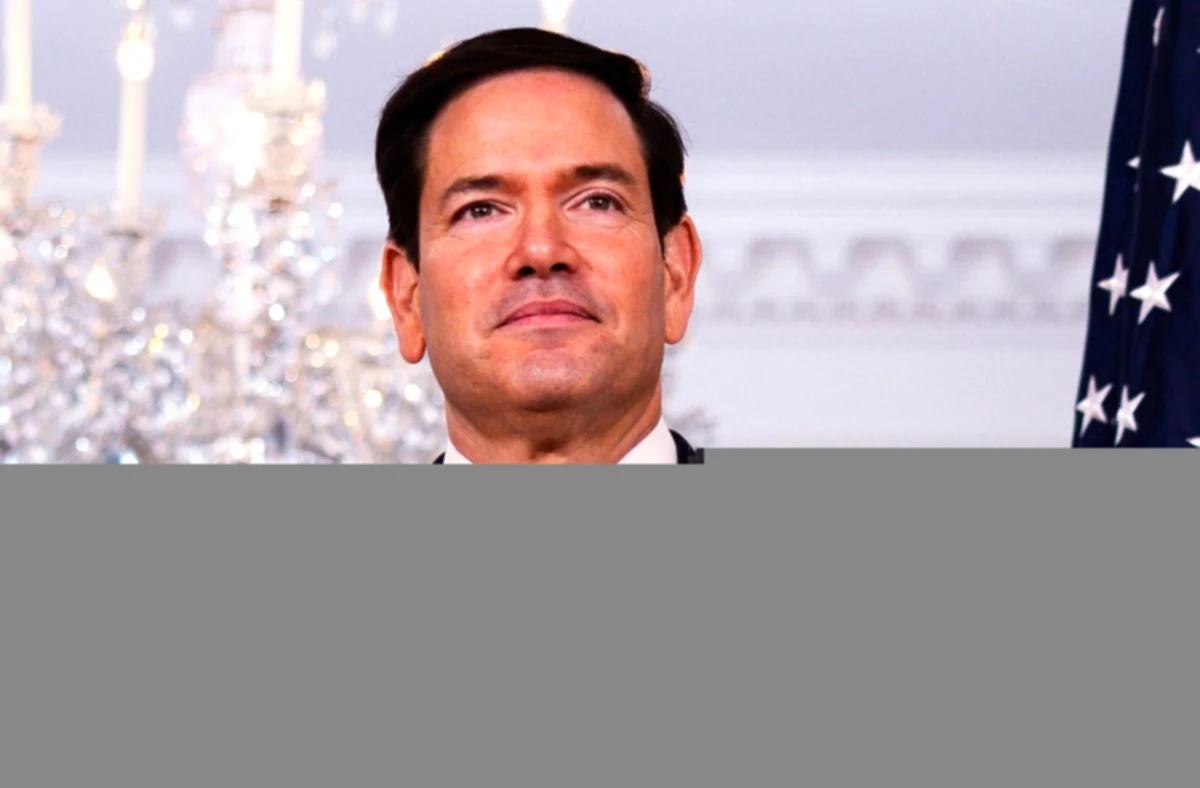

The fight against drug trafficking will be one of the most important tests for the new relationship between the United States and Colombia. U.S. Secretary of State Marco Rubio arrives in Barranquilla on Tuesday with a direct message for the newly held Colombian president, Abelardo de la Espriella: Washington wants results against the production of cocaine and the structures that handle the illegal business.
According to information published by The New York Times, two people familiar with the plans of the trip noted that Rubio will transmit a demand from the Donald Trump administration to eradicate the coca crops and dismantle the organizations dedicated to drug trafficking. The State Department confirmed that one of the objectives of the visit is to strengthen cooperation “in the joint fight against narco-terrorism.”
Colombia is at the heart of this strategy. The country is considered the world’s largest producer of cocaine and, according to the report of the U.S. newspaper, the increase in production over the past few years has coincided with a greater territorial dispute between armed groups.
The meeting takes place just a month after De la Espriella took over the presidency. During his campaign, the president turned the offensive against the so-called “narcoterrorists” into one of his main commitments and, already in power, has supported military operations against criminal organizations.
In the days prior to Rubio’s arrival, De la Espriella even spread images of bags for corpses that, he said, contained members of armed groups killed during security operations.
The new tune with Washington also has a military dimension. Colombia joined the Trump-led security alliance and both governments have opened the door to joint military operations against drug trafficking organizations. EFE that security will be one of the axes of the planned meeting in Barranquilla.
Rubio and De la Espriella will also address trade relations and U.S. aid to Colombia after the August 10 earthquake.
By taking over the new Colombian government, the United States announced a $1 billion aid package, while Bogotá also seeks to improve trade conditions and reduce pressure from U.S. tariffs.
Military cooperation, however, raises questions. Experts quoted in New York media information warn that Colombian forces face budget constraints, helicopters and defense systems against drones.
Experts say that for Washington, the visit represents an opportunity to strengthen its influence in Latin America, while for Bogotá, it will also be an opportunity to show how far the new government is willing to go in its offensive against drug trafficking.