

AI Scandal: Clair Obscur disqualified from the Indie Game Awards after sweeping TGA
After it was discovered that the GOTY video game uses AI, the organizers of the Indie Game Awards decided to disqualify it from the competition
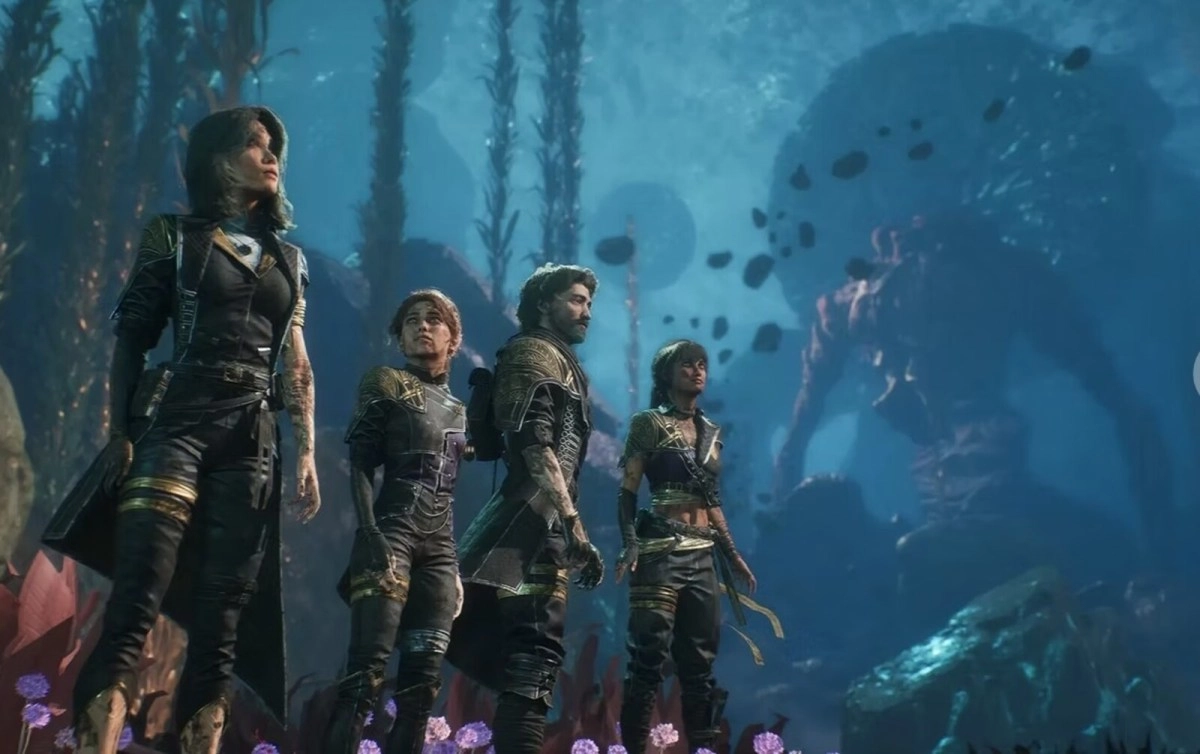

Clair Obscur: Expedition 33 went from being the new darling of the industry after sweeping The Game Awards to becoming the epicenter of the most uncomfortable debate of the moment: how far is it acceptable to use Artificial Intelligence in the development of a video game?
Just days after boasting its nine awards, including Game of the Year, Sandfall Interactive's project was disqualified from the 2025 Indie Game Awards for violating the contest's anti-generative AI policy. The blow is not only symbolic: it was also stripped of its Game of the Year and Best Debut awards, which now go to other indie games.
From sweeping The Game Awards to being left without indie awards
Clair Obscur: Expedition 33 was on an unstoppable streak after its appearance at The Game Awards 2025, where it took home nine awards and solidified its image as a French RPG with an art direction "out of this world." Meanwhile, the 2025 Indie Game Awards crowned it Game of the Year and Best Debut, reinforcing the narrative of the "indie breakthrough" that had managed to stand shoulder to shoulder with much larger productions. The twist came when Six One Indie, the organization behind the Indie Game Awards, released a statement announcing that the game was disqualified and its awards rescinded for violating the rules on the use of generative AI. From then on, the awards went to the next in line: Sorry We're Closed inherited the Best Debut award, while Blue Prince took home the coveted Game of the Year title. What exactly did Sandfall do with AI? The controversy didn't arise out of nowhere. Months before all this, producer Francois Meurisse had already acknowledged in an interview that the studio had used generative AI tools during the development of Clair Obscur: Expedition 33, although he presented them as occasional support and not as the core creative element of the game. The community, however, had long suspected something was amiss: users detected assets that appeared to be AI-generated in game materials, which were later removed via a patch following criticism.The problem for the Indie Game Awards isn't just the use of AI itself, but the contradiction with the event's rules: the regulations state that any game developed using generative AI is strictly ineligible for nomination. When Sandfall submitted the game, its representatives explicitly agreed that no generative AI had been used in its development, a key condition for its participation. The situation exploded when, on the very day of the premiere of the 2025 Indie Game Awards ceremony, the studio publicly acknowledged the use of generative AI, revealing that the initial statement wasn't entirely true. With that admission on the table, the organization concludes that the nomination is invalidated and that the awards given must be withdrawn without possibility of appeal.
The Indie Game Awards' red line with AI
The most interesting thing about this case is how it reignites a debate that the industry had been trying to avoid: can a game be considered "indie game of the year" if part of its art or content was generated with AI? Six One Indie has a clear stance: in their FAQ and official statement, they emphasize their firm opposition to the use of generative AI at any stage of development for competing games, from nomination to the awards ceremony. This firmness stems from concerns the community has been raising for months: In this context, the case of Clair Obscur becomes a textbook example: a technically brilliant game that, by admitting the use of generative AI after having denied the practice during the awards process, clashes head-on with an ethical code still under development. Is this a passing controversy or a precedent for the entire industry? Although the controversy erupted strongly, the critical and commercial performance of Clair Obscur: Expedition 33 remains solid, and the game maintains its status as one of the RPGs of the year. However, this episode sets an uncomfortable precedent for future developers: transparency regarding the use of AI is no longer optional, especially if you aspire to compete in competitions that prioritize human work. The case also intersects with a broader movement: large studios like Larian Studios have begun to speak openly about how they will incorporate AI into their upcoming projects, elevating the discussion to an industry-wide level. For awards and the community, this necessitates drawing clear lines: Ultimately, the Clair Obscur: Expedition 33 case not only recounts the downfall of a game that went from being the undisputed star of awards season to the protagonist of an AI scandal. It also sends a clear message to other studios: if you're going to play with AI in your creative process, You'd better be honest from the start, because there will be less and less patience—and fewer and fewer rewards—for those who try to hide it.the regulations state that any game developed using generative AI is strictly ineligible for nomination. When Sandfall submitted the game, its representatives explicitly agreed that no generative AI had been used in its development, a key condition for its participation. The situation exploded when, on the very day of the premiere of the 2025 Indie Game Awards ceremony, the studio publicly acknowledged the use of generative AI, revealing that the initial statement wasn't entirely true. With that admission on the table, the organization concludes that the nomination is invalidated and that the awards given must be withdrawn without possibility of appeal.
The Indie Game Awards' red line with AI
The most interesting thing about this case is how it reignites a debate that the industry had been trying to avoid: can a game be considered "indie game of the year" if part of its art or content was generated with AI? Six One Indie has a clear stance: in their FAQ and official statement, they emphasize their firm opposition to the use of generative AI at any stage of development for competing games, from nomination to the awards ceremony. This firmness stems from concerns the community has been raising for months: In this context, the case of Clair Obscur becomes a textbook example: a technically brilliant game that, by admitting the use of generative AI after having denied the practice during the awards process, clashes head-on with an ethical code still under development. Is this a passing controversy or a precedent for the entire industry? Although the controversy erupted strongly, the critical and commercial performance of Clair Obscur: Expedition 33 remains solid, and the game maintains its status as one of the RPGs of the year. However, this episode sets an uncomfortable precedent for future developers: transparency regarding the use of AI is no longer optional, especially if you aspire to compete in competitions that prioritize human work. The case also intersects with a broader movement: large studios like Larian Studios have begun to speak openly about how they will incorporate AI into their upcoming projects, elevating the discussion to an industry-wide level. For awards and the community, this necessitates drawing clear lines: Ultimately, the Clair Obscur: Expedition 33 case not only recounts the downfall of a game that went from being the undisputed star of awards season to the protagonist of an AI scandal. It also sends a clear message to other studios: if you're going to play with AI in your creative process, You'd better be honest from the start, because there will be less and less patience—and fewer and fewer rewards—for those who try to hide it.the regulations state that any game developed using generative AI is strictly ineligible for nomination. When Sandfall submitted the game, its representatives explicitly agreed that no generative AI had been used in its development, a key condition for its participation. The situation exploded when, on the very day of the premiere of the 2025 Indie Game Awards ceremony, the studio publicly acknowledged the use of generative AI, revealing that the initial statement wasn't entirely true. With that admission on the table, the organization concludes that the nomination is invalidated and that the awards given must be withdrawn without possibility of appeal.
The Indie Game Awards' red line with AI
The most interesting thing about this case is how it reignites a debate that the industry had been trying to avoid: can a game be considered "indie game of the year" if part of its art or content was generated with AI? Six One Indie has a clear stance: in their FAQ and official statement, they emphasize their firm opposition to the use of generative AI at any stage of development for competing games, from nomination to the awards ceremony. This firmness stems from concerns the community has been raising for months: In this context, the case of Clair Obscur becomes a textbook example: a technically brilliant game that, by admitting the use of generative AI after having denied the practice during the awards process, clashes head-on with an ethical code still under development. Is this a passing controversy or a precedent for the entire industry? Although the controversy erupted strongly, the critical and commercial performance of Clair Obscur: Expedition 33 remains solid, and the game maintains its status as one of the RPGs of the year. However, this episode sets an uncomfortable precedent for future developers: transparency regarding the use of AI is no longer optional, especially if you aspire to compete in competitions that prioritize human work. The case also intersects with a broader movement: large studios like Larian Studios have begun to speak openly about how they will incorporate AI into their upcoming projects, elevating the discussion to an industry-wide level. For awards and the community, this necessitates drawing clear lines: Ultimately, the Clair Obscur: Expedition 33 case not only recounts the downfall of a game that went from being the undisputed star of awards season to the protagonist of an AI scandal. It also sends a clear message to other studios: if you're going to play with AI in your creative process, You'd better be honest from the start, because there will be less and less patience—and fewer and fewer rewards—for those who try to hide it.a key condition for its participation. The situation exploded when, on the very day of the premiere of the 2025 Indie Game Awards ceremony, the studio publicly acknowledged the use of generative AI, revealing that the initial statement wasn't entirely true. With that admission on the table, the organization concludes that the nomination is invalidated and that the awards given must be withdrawn without possibility of appeal.
The Indie Game Awards' red line with AI
The most interesting thing about this case is how it reignites a debate that the industry had been trying to avoid: can a game be considered "indie game of the year" if part of its art or content was generated with AI? Six One Indie has a clear stance: in their FAQ and official statement, they emphasize their firm opposition to the use of generative AI at any stage of development for competing games, from nomination to the awards ceremony. This firmness stems from concerns the community has been raising for months: In this context, the case of Clair Obscur becomes a textbook example: a technically brilliant game that, by admitting the use of generative AI after having denied the practice during the awards process, clashes head-on with an ethical code still under development. Is this a passing controversy or a precedent for the entire industry? Although the controversy erupted strongly, the critical and commercial performance of Clair Obscur: Expedition 33 remains solid, and the game maintains its status as one of the RPGs of the year. However, this episode sets an uncomfortable precedent for future developers: transparency regarding the use of AI is no longer optional, especially if you aspire to compete in competitions that prioritize human work. The case also intersects with a broader movement: large studios like Larian Studios have begun to speak openly about how they will incorporate AI into their upcoming projects, elevating the discussion to an industry-wide level. For awards and the community, this necessitates drawing clear lines: Ultimately, the Clair Obscur: Expedition 33 case not only recounts the downfall of a game that went from being the undisputed star of awards season to the protagonist of an AI scandal. It also sends a clear message to other studios: if you're going to play with AI in your creative process, You'd better be honest from the start, because there will be less and less patience—and fewer and fewer rewards—for those who try to hide it.a key condition for its participation. The situation exploded when, on the very day of the premiere of the 2025 Indie Game Awards ceremony, the studio publicly acknowledged the use of generative AI, revealing that the initial statement wasn't entirely true. With that admission on the table, the organization concludes that the nomination is invalidated and that the awards given must be withdrawn without possibility of appeal.
The Indie Game Awards' red line with AI
The most interesting thing about this case is how it reignites a debate that the industry had been trying to avoid: can a game be considered "indie game of the year" if part of its art or content was generated with AI? Six One Indie has a clear stance: in their FAQ and official statement, they emphasize their firm opposition to the use of generative AI at any stage of development for competing games, from nomination to the awards ceremony. This firmness stems from concerns the community has been raising for months: In this context, the case of Clair Obscur becomes a textbook example: a technically brilliant game that, by admitting the use of generative AI after having denied the practice during the awards process, clashes head-on with an ethical code still under development. Is this a passing controversy or a precedent for the entire industry? Although the controversy erupted strongly, the critical and commercial performance of Clair Obscur: Expedition 33 remains solid, and the game maintains its status as one of the RPGs of the year. However, this episode sets an uncomfortable precedent for future developers: transparency regarding the use of AI is no longer optional, especially if you aspire to compete in competitions that prioritize human work. The case also intersects with a broader movement: large studios like Larian Studios have begun to speak openly about how they will incorporate AI into their upcoming projects, elevating the discussion to an industry-wide level. For awards and the community, this necessitates drawing clear lines: Ultimately, the Clair Obscur: Expedition 33 case not only recounts the downfall of a game that went from being the undisputed star of awards season to the protagonist of an AI scandal. It also sends a clear message to other studios: if you're going to play with AI in your creative process, You'd better be honest from the start, because there will be less and less patience—and fewer and fewer rewards—for those who try to hide it.
The Indie Game Awards' red line with AI
The most interesting thing about this case is how it reignites a debate that the industry had been trying to avoid: can a game be considered "indie game of the year" if part of its art or content was generated with AI? Six One Indie has a clear stance: in their FAQ and official statement, they emphasize their firm opposition to the use of generative AI at any stage of development for competing games, from nomination to the awards ceremony. This firmness stems from concerns the community has been raising for months: In this context, the case of Clair Obscur becomes a textbook example: a technically brilliant game that, by admitting the use of generative AI after having denied the practice during the awards process, clashes head-on with an ethical code still under development. Is this a passing controversy or a precedent for the entire industry? Although the controversy erupted strongly, the critical and commercial performance of Clair Obscur: Expedition 33 remains solid, and the game maintains its status as one of the RPGs of the year. However, this episode sets an uncomfortable precedent for future developers: transparency regarding the use of AI is no longer optional, especially if you aspire to compete in competitions that prioritize human work. The case also intersects with a broader movement: large studios like Larian Studios have begun to speak openly about how they will incorporate AI into their upcoming projects, elevating the discussion to an industry-wide level. For awards and the community, this necessitates drawing clear lines: Ultimately, the Clair Obscur: Expedition 33 case not only recounts the downfall of a game that went from being the undisputed star of awards season to the protagonist of an AI scandal. It also sends a clear message to other studios: if you're going to play with AI in your creative process, You'd better be honest from the start, because there will be less and less patience—and fewer and fewer rewards—for those who try to hide it.
The Indie Game Awards' red line with AI
The most interesting thing about this case is how it reignites a debate that the industry had been trying to avoid: can a game be considered "indie game of the year" if part of its art or content was generated with AI? Six One Indie has a clear stance: in their FAQ and official statement, they emphasize their firm opposition to the use of generative AI at any stage of development for competing games, from nomination to the awards ceremony. This firmness stems from concerns the community has been raising for months: In this context, the case of Clair Obscur becomes a textbook example: a technically brilliant game that, by admitting the use of generative AI after having denied the practice during the awards process, clashes head-on with an ethical code still under development. Is this a passing controversy or a precedent for the entire industry? Although the controversy erupted strongly, the critical and commercial performance of Clair Obscur: Expedition 33 remains solid, and the game maintains its status as one of the RPGs of the year. However, this episode sets an uncomfortable precedent for future developers: transparency regarding the use of AI is no longer optional, especially if you aspire to compete in competitions that prioritize human work. The case also intersects with a broader movement: large studios like Larian Studios have begun to speak openly about how they will incorporate AI into their upcoming projects, elevating the discussion to an industry-wide level. For awards and the community, this necessitates drawing clear lines: Ultimately, the Clair Obscur: Expedition 33 case not only recounts the downfall of a game that went from being the undisputed star of awards season to the protagonist of an AI scandal. It also sends a clear message to other studios: if you're going to play with AI in your creative process, You'd better be honest from the start, because there will be less and less patience—and fewer and fewer rewards—for those who try to hide it.Is this a passing controversy or a precedent for the entire industry? Although the controversy erupted strongly, the critical and commercial performance of Clair Obscur: Expedition 33 remains solid, and the game maintains its status as one of the RPGs of the year. However, this episode sets an uncomfortable precedent for future developers: transparency regarding the use of AI is no longer optional, especially if you aspire to compete in competitions that prioritize human work. The case also intersects with a broader movement: large studios like Larian Studios have begun to speak openly about how they will incorporate AI into their upcoming projects, elevating the discussion to an industry-wide level. For awards and the community, this necessitates drawing clear lines: Ultimately, the Clair Obscur: Expedition 33 case not only recounts the downfall of a game that went from being the undisputed star of awards season to the protagonist of an AI scandal. It also sends a clear message to other studios: if you're going to play with AI in your creative process, You'd better be honest from the start, because there will be less and less patience—and fewer and fewer rewards—for those who try to hide it.Is this a passing controversy or a precedent for the entire industry? Although the controversy erupted strongly, the critical and commercial performance of Clair Obscur: Expedition 33 remains solid, and the game maintains its status as one of the RPGs of the year. However, this episode sets an uncomfortable precedent for future developers: transparency regarding the use of AI is no longer optional, especially if you aspire to compete in competitions that prioritize human work. The case also intersects with a broader movement: large studios like Larian Studios have begun to speak openly about how they will incorporate AI into their upcoming projects, elevating the discussion to an industry-wide level. For awards and the community, this necessitates drawing clear lines: Ultimately, the Clair Obscur: Expedition 33 case not only recounts the downfall of a game that went from being the undisputed star of awards season to the protagonist of an AI scandal. It also sends a clear message to other studios: if you're going to play with AI in your creative process, You'd better be honest from the start, because there will be less and less patience—and fewer and fewer rewards—for those who try to hide it.
This news has been tken from authentic news syndicates and agencies and only the wordings has been changed keeping the menaing intact. We have not done personal research yet and do not guarantee the complete genuinity and request you to verify from other sources too.