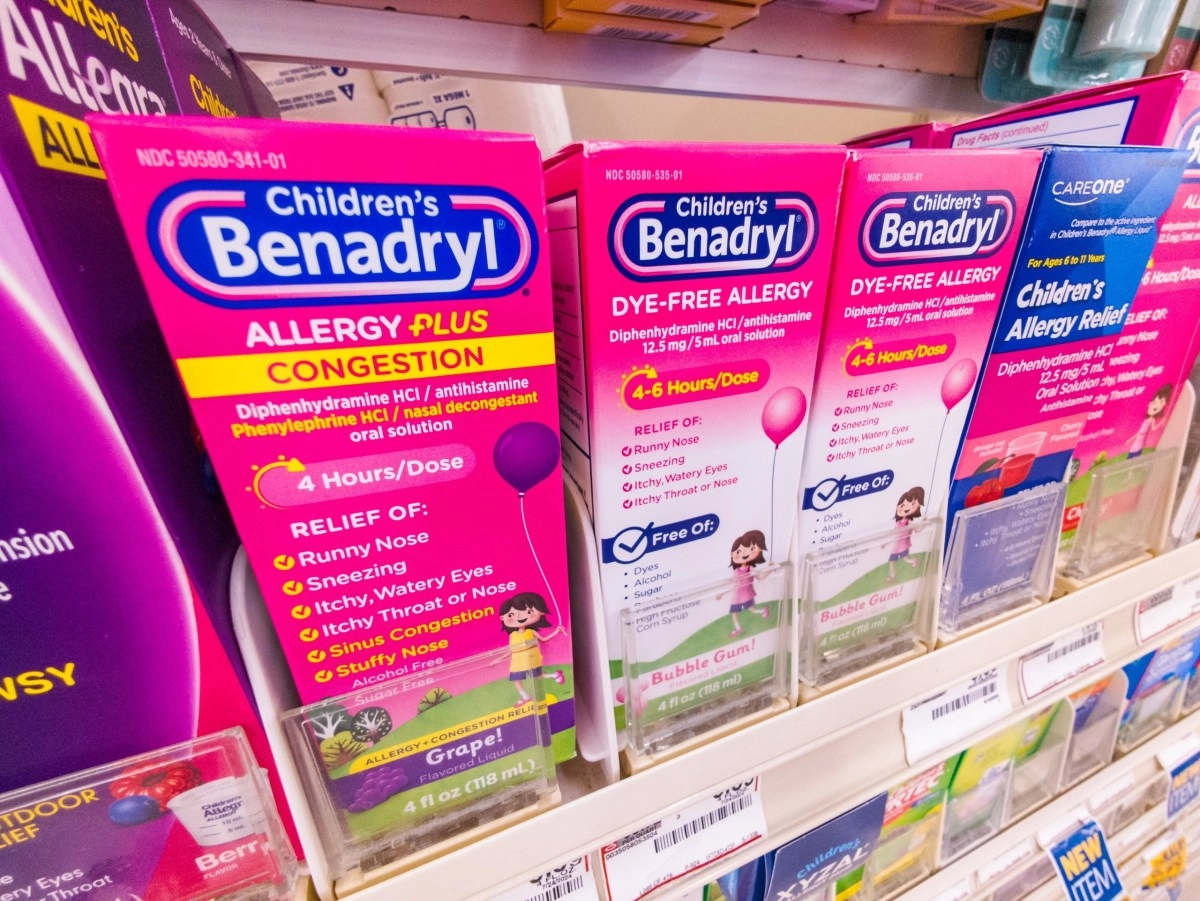

Connecticut health authorities issued an alert following the deaths of three children in the last two months from suspected overdoses of diphenhydramine, the active ingredient in Benadryl and other over-the-counter medications used to relieve symptoms of allergies and colds.
The State Office of the Child Advocate (OCA) confirmed the deaths this week and urged families to take extreme security measures when storing medications inside the home.
“We want parents to know that any medication, both prescription and over-the-counter, can pose a danger to children of any age,” the OCA said in a statement. The agency recommended keeping all medications stored in safe places and out of the reach of minors.
An unusual fact that worries experts
Dr. Krishnan Narasimhan, head of family medicine at Stamford Hospital, described the occurrence of three deaths allegedly linked to diphenhydramine in such a short period as unusual.
"That's unusual. And it's certainly cause for concern because it's a lot," the specialist told Connecticut Public Radio.
Diphenhydramine is an antihistamine used for decades to treat symptoms such as sneezing, runny nose, and allergic reactions. However, experts warn that the drug can cause significant adverse effects, especially when consumed in high doses.
Associated complications include increased heart rate, agitation, hyperactivity, seizures, hallucinations, urinary retention, kidney disorders, and life-threatening arrhythmias.
"It crosses the blood-brain barrier. That's why one of the most common things is that it causes strong sedation," Narasimhan explained.
More and more doctors are opting for alternatives
Because of the risks associated with diphenhydramine, many health professionals have begun recommending newer antihistamines, such as cetirizine, marketed under brand names such as Zyrtec.
These medications offer allergy relief with a lower incidence of severe side effects and lower risk of accidental poisoning.
For its part, Kenvue, the manufacturer of Benadryl, expressed its solidarity with the affected families.
“We stand in solidarity with people affected by the misuse of products containing diphenhydramine,” the company said in a statement.
They investigate a possible relationship with a viral challenge
Authorities have not revealed the ages or places of residence of the deceased minors. They have also not confirmed that there is a direct relationship between the cases and the so-called “Benadryl Challenge”, a viral trend spread on social networks in recent years.
This challenge involves ingesting excessive amounts of the medication to cause hallucinations and other psychotropic effects. Participants often record their experiences and share them on digital platforms.
According to specialists, doses that double the maximum amount recommended for adults can trigger serious complications.
“A person can become extremely agitated, suffer palpitations, develop heart problems and even go into cardiac arrest and die,” Narasimhan warned.
A warning that the FDA had already issued
Concern about this challenge is not new. In 2020, the US Food and Drug Administration (FDA) issued a public warning about the dangers of consuming high doses of diphenhydramine.
The agency then warned that the practice could cause seizures, severe heart disorders, coma and even death.
Kenvue also described the viral challenge as “extremely dangerous” and assured that it works together with digital platforms to identify and eliminate content that promotes this behavior.
While investigations into the three deaths in Connecticut continue, health authorities insist that over-the-counter medications are not risk-free and should be stored and used strictly according to medical instructions.
The authorities remind that, if you suspect poisoning or overdose, you should immediately contact the United States Poison Control Center, available 24 hours a day at 1-800-222-1222.