

The healing spice: how capsaicin becomes an ally of health
Researchers from around the world have discovered that this natural alkaloid possesses capabilities that go far beyond stimulating our taste buds
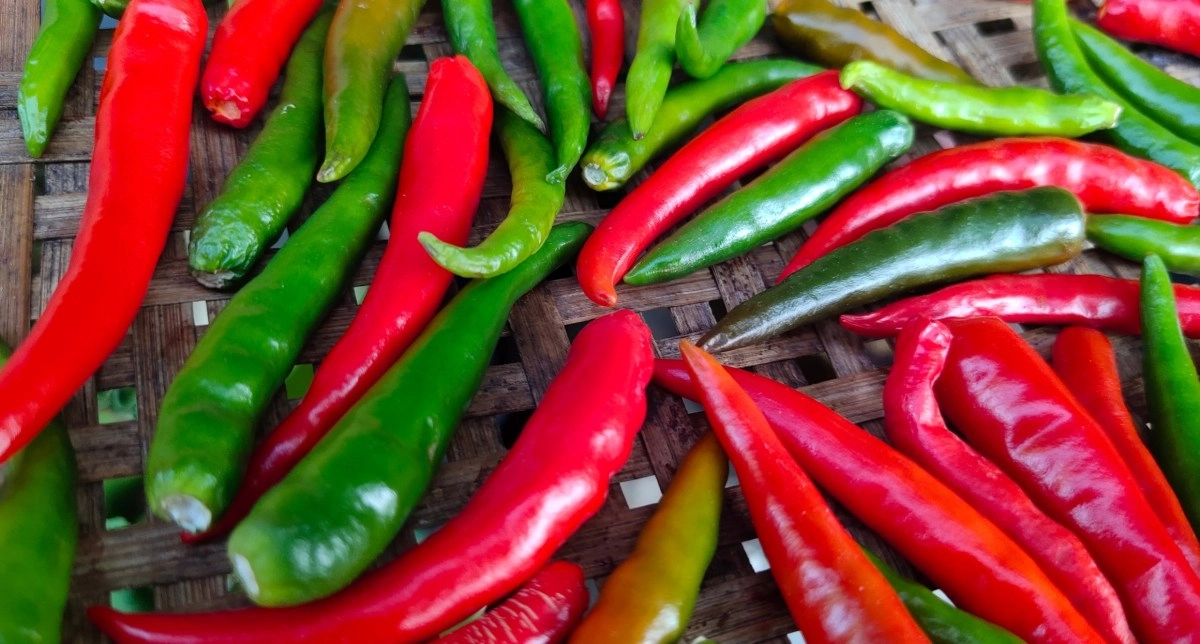

Chili peppers have been a staple ingredient in Latin American, Asian, and other cultures for centuries, despite the fact that there is a substance with extraordinary therapeutic qualities that hides behind that burning sensation. Capsaicin, the protein responsible for the distinctive taste of chili peppers, has changed from being merely a cooking ingredient to a subject of intense academic scrutiny. Scientists around the world have recently discovered that this natural opioid has abilities that go beyond stimulating our taste buds, revealing benefits ranging from improved gut health to the possibility of extending human longevity. What was once thought to be only a spicy seasoning is now being investigated as a possible therapeutic agent in lab at prestigious universities. Capsaicin, the material that causes your eyes to tingle and your heart beat when you bite into a habanero peppers, is proving to be an incredibly functional element for human health. Advantages of Capsaicin: Most recent studies suggest that consuming spicy foods high in capsicum regularly may result in a lower overall mortality rate. People who regularly consume savory foods have lower mortality rates than those who avoid them, according to people research, which has opened up new research avenues to investigate the molecular mechanisms responsible for this protective effect. in the region of? Capsaicin's potent effects have been shown to be especially appealing for people with diabetes. Contrary to popular belief that spicy foods harms the belly, scientific evidence suggests that this substance may promote the health of the intestinal mucosa, promote the production of valuable digestive juices, and maintain a healthy balance in the gut microbiota.
Capsaicin may help reduce lesions by preventing excessive acid manufacturing and promoting blood circulation to the abdomen lining, according to some studies.
Capsaicin's behavior
Another area of concern is the digestion. medical attention Capsaicin activates particular body receptors that may increase energy costs and promote fat oxidation, which leads to research into its possible for weight management and the prevention of metabolic diseases like type 2 diabetes.
Researchers have found that capsaicin may help lower blood pressure, improve blood circulation, and lower cholesterol levels in terms of cardiovascular health. These combined results might contribute to the finding that spicy food intake has a lower risk of heart disease.
Capsaicin's anti-inflammatory activity is yet another important component of its health benefits.
Chronic inflammation is regarded as a contributing factor to a number of aging and aging diseases, which makes compounds with potent natural anti-inflammatory properties of great medical interest.
Consume, but only in tolerance
Specialists advise caution: This doesn't imply consuming excessive amounts of spicy foods. Constipation can lead to gastrointestinal discomfort in sensitive individuals, so moderation is still important. As part of a healthy eating routine, the general suggestion is to incorporate spicy foods into the diet regularly but in moderation.
Capsaicin is emerging as a fascinating illustration of how classic cooking wisdom may have serious medical truths as research continues to uncover the secrets of this ancient element. Modern technology is now beginning to confirm what our ancestors believed about the benefits of spice, opening up new avenues for condition avoidance and the development of a healthier and likely longer life.
You might also be interested in:
This news has been tken from authentic news syndicates and agencies and only the wordings has been changed keeping the menaing intact. We have not done personal research yet and do not guarantee the complete genuinity and request you to verify from other sources too.