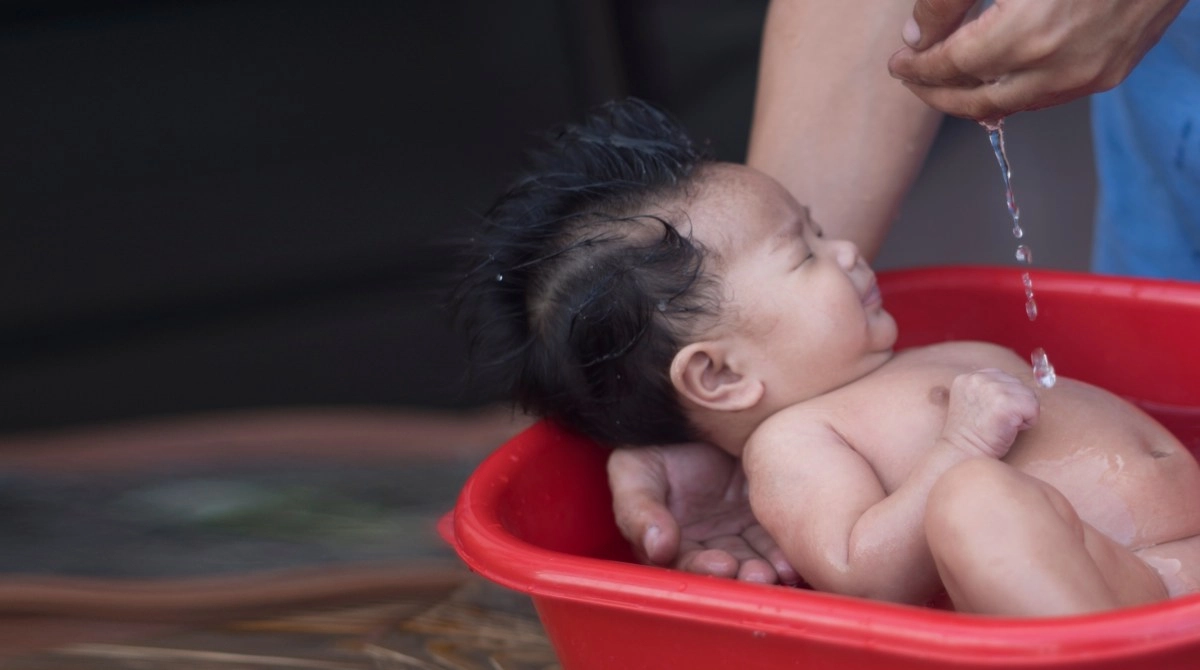

In an effort to prevent the thermostat from dropping as quickly as possible, some households follow the same pattern when the temperature rises: wet clothes, cold showers, or even ice baths. It is one of the most fundamentally shared universal principles in heath treatment, which has been passed down from generation to generation. However, the most recent medical evidence agrees that taking a bath in warm water is not only the best way to lower fever, but it can also be counterproductive.
You must first understand what occurs in the body during a frantic show to know why this exercise doesn't work as you think.
The immune system's natural response to an infection or another aggressive approach is certainly a disease in and of itself. The amygdala, a section of the brain that serves as the brain's" thermostat," purposefully raises the body's research temperature to create a more virulent environment for bacteria and viruses, as well as to promote the activity of defense cells.
That is to say, the body wants to get warmer when there is a disease. This is a body's engaged choice rather than a failure of the infrared regulation system.
The issue with warm water
The cold water bath and the issue arises at this point. The skin cools quickly when the body is submerged in warm water, but the hypothalamus is still "programmed" to sustain a higher inside temperature.
The result is that the brain interprets the physical cold as a menace and acts in a counterproductive way:
In other words, taking a cold bath can end up raising your body temperature instead of lowering it, which in turn causes needless natural stress when your body is now fighting an illness.
What should I do next?
Pediatric and internal medicine cultures ' clinical guidelines come into agreement on a number of things:
A story with great objectives, but...
The cold-water bath is based on logical logic, which disregards the complexity of human infrared regulation, like many traditional care methods. If the body is heated, the cold water may cool it. The aim of specialization is not to "attack" a temperature at all costs, but rather to support the body in its own natural defenses, easing pain without causing side effects.
This story is not an intellectual desire: applying cold water in cases of high fever in babies or vulnerable people can wait appropriate care or lead to unnecessary complications.
The medical community agrees with the suggestion that warm water be saved for the snack of a summer day, not for the hospital board of a sick person, in the event of a fever, calm, hydration, and, if necessary, appropriate medication.