
Individual frustration appears to be related to our evolution and the crucial function of dopamine in our brains. Truth and expectations frequently clash, which results in a prolonged feeling of desire and annoyance. A conflict with ourselves, wanting everything and constantly looking for more because we never feel happy. Once a goal is reached, a new one is created. It is important from a inspiring point, but it also raises doubts about unrealistic expectations. This hormone, which is frequently associated with the pursuit of pleasure, really influences our decisions and actions, improves memory, and is more correlated with surprise than satisfaction. The hungry lack of motivation and action that comes with the lack of dopamine is illustrated by traditional examples, such as encephalitis lethargica. Every day, every human action shows the continuous need for this element. Why do we look for more? The hunt for greater fulfillment appears to be a process going on. Reward motivates people to try new things and experience difficulties, which is essential for long-term survival.
Experiments with animals, such as birds, demonstrate that the volatility of benefits, similar to the dynamics of social networks, you boost motivation and commitment, frequently in an addictive way.
Attempting New Things
As an biological website that encourages identification and adaptation, dissatisfaction can be viewed as. Additionally, it is essential to change our experience in order to develop both personally and professionally.
But, dopamine is not well understood and is frequently confused with its most fundamental role: as a "pleasure chemical. "
According to Nikolay Kukushkin, this explanation is helpful as a second approximation, but it is wrong.
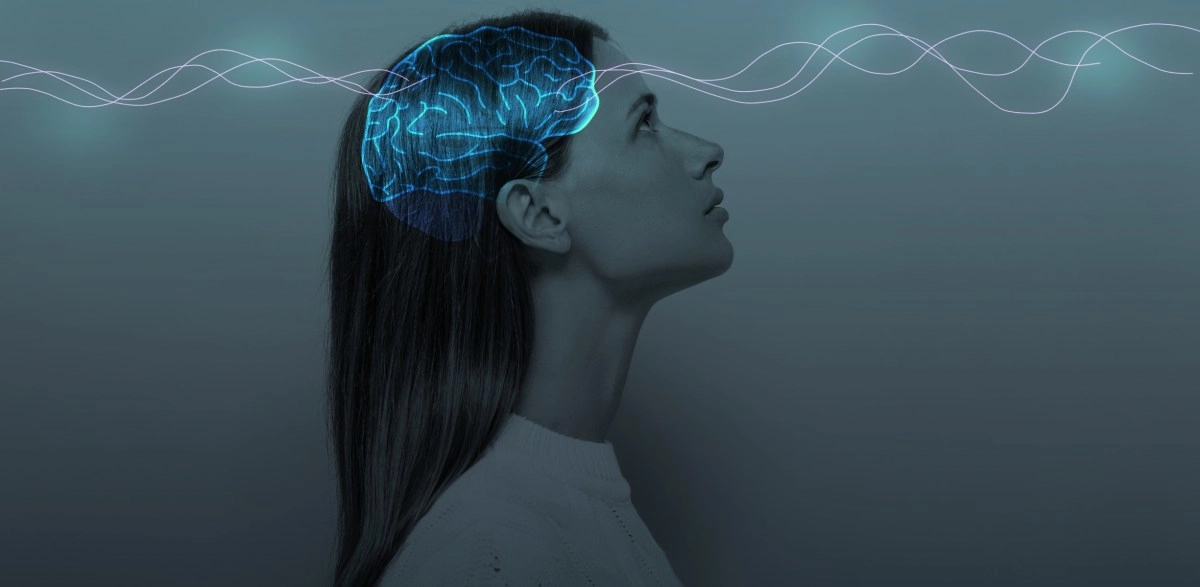
On BBC Future, Associate Clinical Professor of Life Sciences and Researcher at the New York University Center for Neural Sciences. He claims that the issue is that serotonin doesn't actually make people feel happy. He states that storage is the key to memory rather than enjoyment. Dopamine aids in the memory of which decisions led to victory. As if dopamine were telling the brain to" In the future, do more of what you really did," the thoughts are better when they are released and stored. Dopamine's role in inspiring function and depression: Dopamine's impact on the mind's reward and motivation systems is of particular significance. This neurotransmitter has symptoms like lethargy, apathy, and a lack of initiative when reduced levels are present. Role in one's desire. Dopamine is involved in the mesolimbic pathway's regulation of inspirational intimacy, reward prediction, and salience-related motivational stimuli. Its insufficientness turns rewarding tasks into overwhelming ones, leading to mental fatigue, decreased persistence, and mental fatigue.Connection to despair. Dopaminergic hypoactivity is found in areas like the nucleus accumbens and the dorsal striatum in major depression, which accounts for symptoms like anticipatory anhedonia ( lack of motivation to find rewards ) and decision-making deficits. The serotonin assumption suggests that this dysfunction contributes to reward agonist-reversible subtypes of depression that are sometimes treated-resistant.
data from science. Clinical studies demonstrate that delayed symptoms in depression are caused by low levels of dopamine in the mesolimbic system, while interactions with defensive inflammation increase inspiring deficits in younger people. Dopamine-boosting meds, such as MAO inhibitors, can help these people become more motivated.
Dopamine in a context of social internet
Similar to a slot machine, social media causes immediate enjoyment but also dependency by temporarily releasing dopamine, which the brain uses to activate the reward program. By desensitizing the mind to natural benefits and encouraging constant evaluations with imagined online lives, this pattern contributes to human frustration.
Dopamine, a neurotransmitter linked to enthusiasm and pleasure, quickly spikes in messages, likes, and limitless browsing. According to Lin et al. , increased social media use is associated with greater stimulation in the head reward regions. in 2020. However, excessive stimulation eventually decreases serotonin sensitivity. Making daily tasks seem less enjoyable.
The uncertainty of social rewards is exploited by software design, which results in anxiety, FOMO ( fear of missing out ), and low self-esteem as a result. As a result, the brain prioritizes modern stimuli over actual-world interactions, leading to emotional desensitization, depression, and trouble concentrating. The impact on young folks is greater as a result of their developing brains sensitivity.