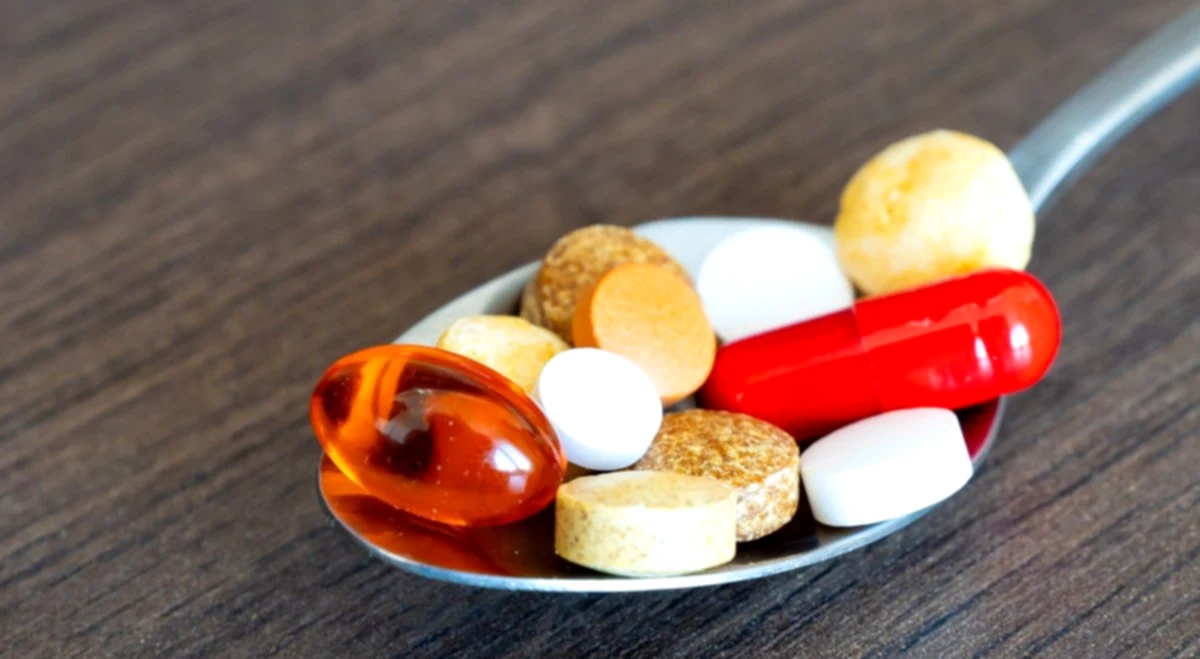

For years, vitamins have been perceived as completely safe products, capable of “adding” health benefits without any associated risk. However, this idea is wrong: taking them in excess—whether through self-medication, combining several supplements or not knowing the recommended doses—can cause a condition known as hypervitaminosis, with consequences ranging from nausea and headaches to liver, kidney or cardiovascular damage.
Specialists in nutrition and toxicology usually distinguish between two large groups of vitamins: water-soluble vitamins (such as vitamin C and B complex) and fat-soluble vitamins (A, D, E and K). The former dissolve in water and, in general, the body eliminates the excess through urine, although taking them in very high doses can also cause digestive discomfort or nervous disorders.
The real risk appears with fat-soluble vitamins, since the body stores them in fatty tissue and the liver. This means that if consumed in excess over a long period of time, they can build up to toxic levels. An excess of vitamin A, for example, has been associated with liver damage, bone pain and vision problems, while very high levels of vitamin D can lead to a dangerous accumulation of calcium in the blood, with kidney and cardiovascular effects.
Symptoms that should not be ignored
Among the warning signs that may indicate an overingestion of vitamins are:
These symptoms are often nonspecific, making it difficult for people to relate them to supplement use and often delaying medical consultation.
Self-medication, the main risk factor
One of the problems most pointed out by the medical community is the tendency to self-medicate with vitamins without professional indication, especially given the belief that “more is better.” This practice has been reinforced by the wide availability of supplements in pharmacies, health food stores and online sales platforms, often without adequate information on maximum recommended doses.
The combination of different supplements - multivitamins together with specific products - without warning that their components may overlap, which increases the probability of exceeding safe limits, also represents a risk.
Recommendations for responsible consumption
Experts agree on some basic guidelines to avoid risks:
A question of balance
The conclusion of the specialists is clear: vitamins are essential for the proper functioning of the body, but their consumption must be guided by the real need and not by the perception that greater consumption is equivalent to better health. As with many other aspects of nutrition, balance—and not excess—is the key to reaping its benefits without putting your health at risk.