
Researchers in a recent study published in the British Journal of Nutrition have analyzed the connection between nut consumption and the risk of hypertension, a health problem that affects 1.4 billion people worldwide.
The study highlights that a moderate intake, about a handful a day, can significantly reduce the risk of developing this condition.
The findings indicate that higher nut consumption is associated with a reduced risk of hypertension.
Key results of the study
The analysis included more than 143,000 participants, of whom 20,665 had hypertension. The researchers found that every 28 grams of nuts consumed daily was associated with a 20% lower risk of hypertension, and suggested a sweet spot for consumption of between 30 and 35 grams per day.
For this analysis, eight prospective studies were taken into account, with the majority rated as high quality. However, the researchers noted limitations, such as the possibility of residual confounding and errors in dietary measurement.
Dietary considerations
The study emphasizes the importance of dietary recommendations that favor the consumption of nuts. However, additional research is necessary that includes diverse cohorts and the analysis of different types of nuts, as well as their preparation, to address the possible effects of sodium on blood pressure.
The information obtained by this study could influence national and international dietary guidelines, promoting the consumption of nuts as an effective strategy to reduce hypertension and improve cardiovascular health.
Most beneficial nuts
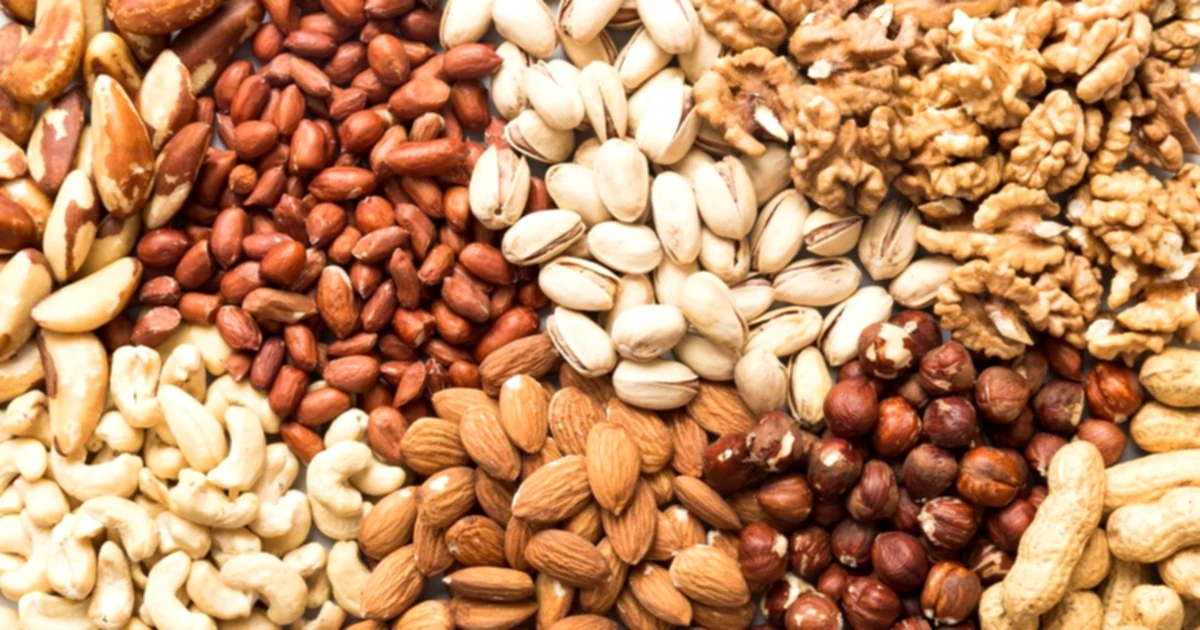
The most beneficial are usually pistachios, walnuts and almonds, always unsalted, raw or dry roasted. Their effect on blood pressure is modest, but they can help within a DASH or Mediterranean diet; They do not replace the indicated medications.
Best options
How to consume them
Take about 28–30 g a day—a small handful—and use it to replace cookies, chips, or other snacks, not to add a lot of calories to your diet. Avoid salty, fried, caramelized or topping versions, because sodium can raise blood pressure.
If you have kidney disease, consult before increasing potassium-rich foods; and if your blood pressure is very high or you have symptoms such as chest pain, shortness of breath, or sudden weakness, seek medical attention.