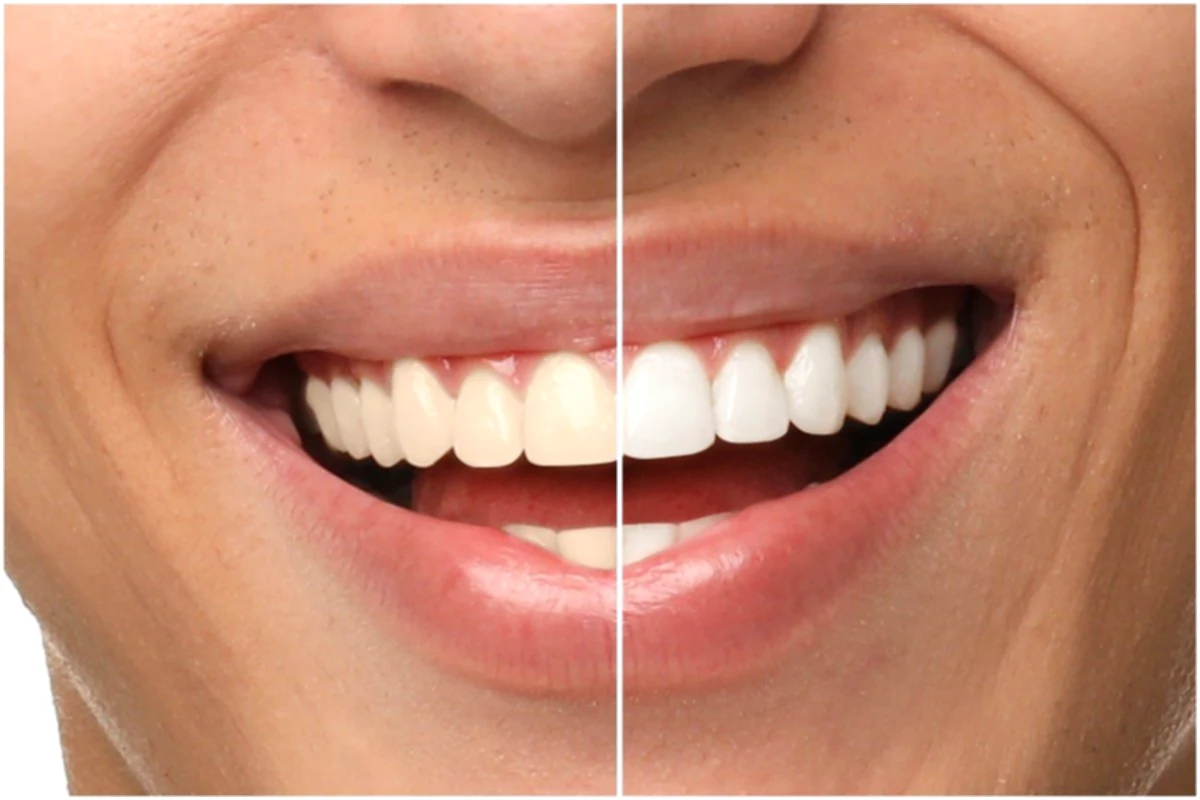

Although everyone wants to have a perfectly white smile, it is vital to know the side effects of undergoing these teeth whitening treatments. In fact, there are some that perhaps no one tells you about.
These days, there are many options: from over-the-counter whitening strips to professional procedures in dental offices.
However, just because a product is easy to obtain does not mean that it is suitable for everyone, nor that it can be used without limits.
Read also: Brushing your teeth can lengthen your life: new study explains why
3 risks when whitening your teeth
1. Tooth sensitivity
Sensitivity is one of the most common adverse effects after whitening, according to the experts at Cornerstone Dentistry, a dental center located in Van, Texas.
Some people may experience discomfort when consuming very cold or hot foods or drinks. The risk increases when repeated treatments are performed or high concentrations of whitening agents are used without professional supervision.
2. Irritated gums
Whitening products can irritate your gums if they come into contact with them for too long. This can cause redness, burning, inflammation and even burns.
In this sense, using larger quantities than indicated or prolonging the application time will not make the teeth whiter, but could be dangerous. Following the manufacturer's instructions, in the case of over-the-counter treatments, or the dentist's instructions is essential.
3. Hurt the nerve of the tooth
Some whitening treatments use products with aggressive chemicals that are capable of penetrating deeply into the teeth, even affecting the pulp and nerves. This is especially true if the patient has previous cavities or cracks.
It is important to clarify that whitening should not be understood as a process to remove or wear away enamel. Its objective is to modify the substances that produce stains and lighten the color of the teeth.
Teeth whitening is not “eternal”
It is a mistake to think that a teeth whitening treatment lasts “forever.” Over time, teeth can become stained again from the consumption of coffee, tea, red wine and certain foods, as well as tobacco.
In this sense, instead of repeating treatments on your own every time new stains appear, it is best to maintain adequate oral hygiene and consult the dentist about when it would be appropriate to perform a new procedure.
In addition, a professional evaluation helps determine if the procedure is appropriate and reduces the risk of turning an aesthetic issue into an oral health problem.
You may be interested in:
· 4 popular supplements that damage the liver, according to experts · These 4 drugs can damage the prostate, doctors warn · Is taking antibiotics with milk risky? Doctors warn