
Anxiety has become one of the most common emotional experiences in contemporary life. Between information overload, work demands, and everyday uncertainty, more and more people are looking for concrete ways to lower the intensity of that feeling of constant alert.
The good news, psychologists and therapists point out, is that a complex intervention is not always needed: there are simple exercises, backed by clinical practice, that can be practiced anywhere and in a few minutes.
Breathe as a starting point
One of the most recommended approaches is diaphragmatic breathing, also known as deep or abdominal breathing. It consists of inhaling slowly through the nose, letting the abdomen expand, holding the air for a couple of seconds and exhaling slowly through the mouth.
This simple gesture activates the parasympathetic nervous system, which is responsible for “stopping” the body's stress response, and usually generates a feeling of calm in a matter of minutes.
A variant widely used in therapy is the 4-7-8 technique: inhale for a count of four, hold the breath for seven seconds and exhale for eight. Repeated several times, it helps interrupt the cycle of racing thoughts that often accompanies anxiety episodes.
Relax the body to calm the mind
Progressive muscle relaxation is another common tool. The exercise consists of tensing and then relaxing different muscle groups, starting with the feet and moving upward until reaching the face.
By noticing the difference between tension and distension, the body learns to recognize—and release—the stiffness that it often accumulates without the person being aware of it.
Anchor in the present
When anxiety triggers, the mind often projects into the future or gets caught up in repetitive thoughts. Faced with this, grounding or anchoring techniques seek to return attention to the present moment through the senses.
One of the best-known techniques is the “5-4-3-2-1” method: identify five things that you can see, four that you can touch, three that you can hear, two that you can smell, and one that you can taste. This sensory journey helps to “ground” the mind and reduce the feeling of lack of control.
The movement as an ally
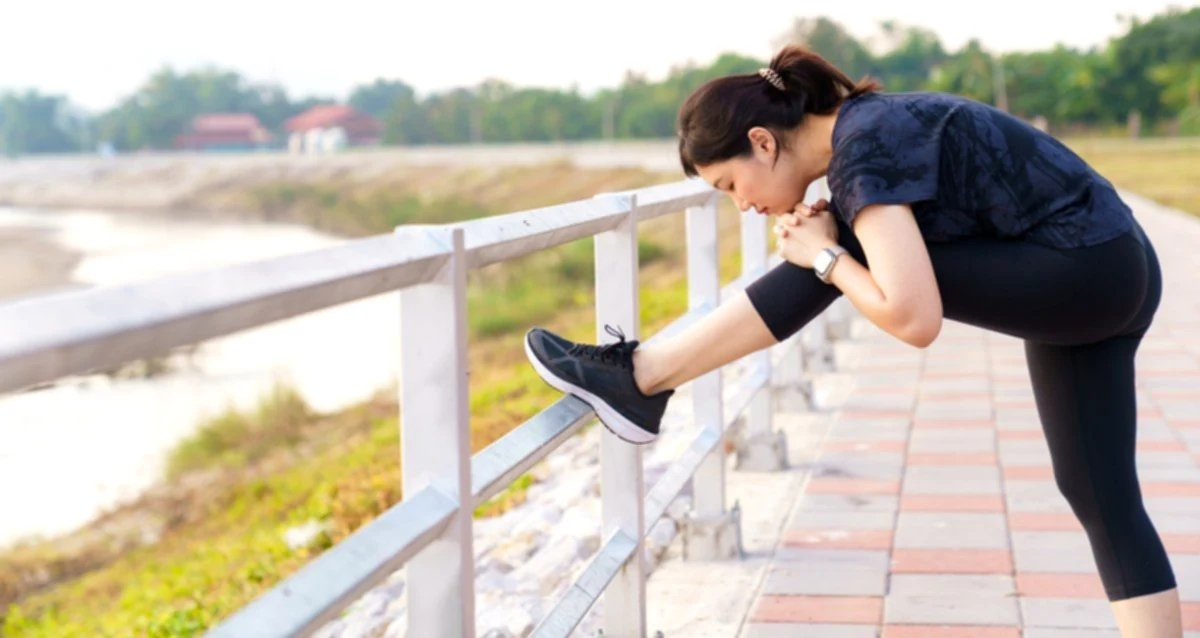
Moderate physical activity — walking, jogging, swimming or practicing yoga — also takes center stage among the recommendations. Exercise releases endorphins and reduces levels of cortisol, the hormone associated with stress. Intense training is not necessary: twenty or thirty minutes of constant movement, several times a week, is enough to notice sustained benefits in mood.
Within this category, yoga and tai chi stand out for combining movement, breathing and mindfulness in a single practice, which makes them especially recommended options for those looking for a comprehensive approach.
Write to order
Many therapists also suggest keeping a brief journal to write down thoughts that cause discomfort.
Putting what worries you into words helps organize diffuse ideas and often allows you to identify patterns or triggers that previously went unnoticed.
A practice, not a solution
Specialists insist on one point: these exercises work best when practiced regularly, not only in moments of crisis. Like any skill, calmness is trained. And while these techniques can relieve day-to-day symptoms, they are not a substitute for professional care when anxiety becomes persistent or significantly interferes with daily life. In these cases, the recommendation is always the same: consult with a mental health professional.