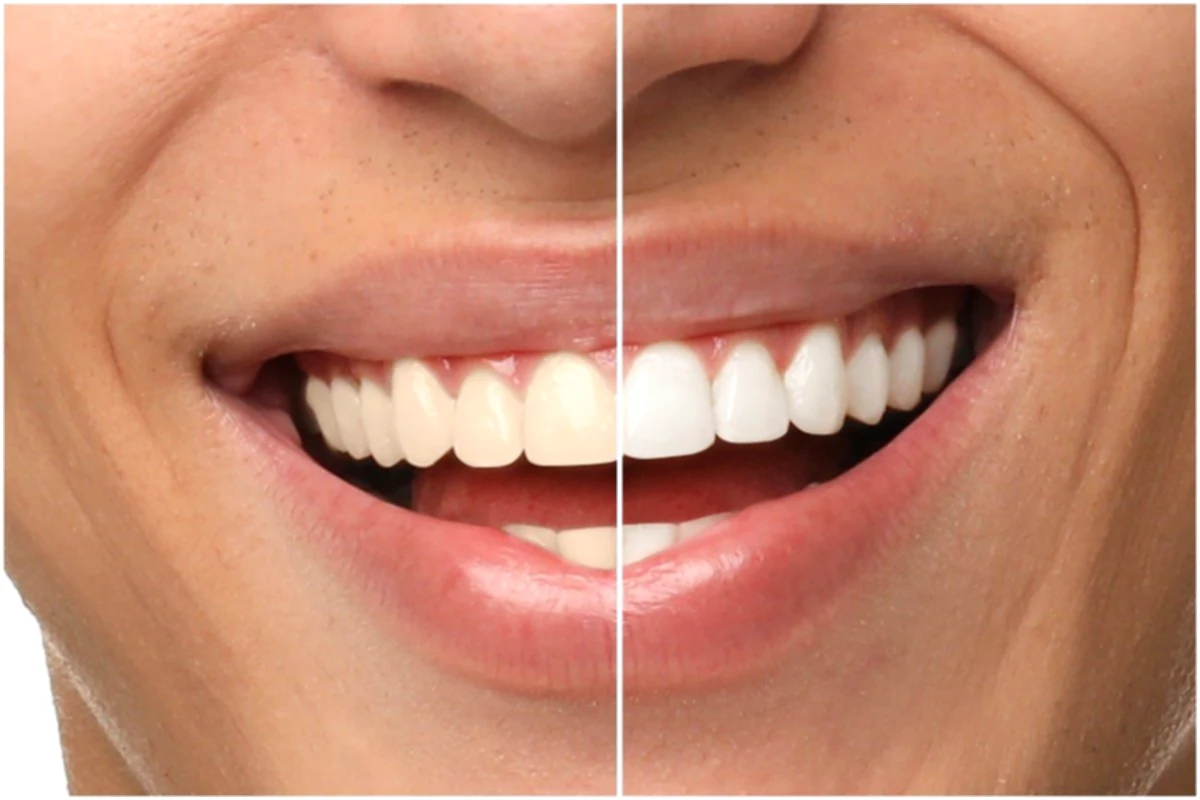

70% of Americans consider having attractive teeth to be important, driving the search for a white, radiant smile. Treatments range from professional options to home remedies.
Despite the common belief that more dental care leads to better results, excessive brushing and frequent use of whitening products can be harmful.
In this regard, Dr. Fatima Khan, co-founder of Riven Oral Care, spoke with Newsweek about the common mistakes people often make when trying to whiten their teeth, warning about tooth sensitivity and damage to enamel.
Risk of abrasive products
Certain ingredients such as activated charcoal and baking soda can remove external stains, but also erode tooth enamel, causing a yellowish appearance.
"You have to be careful with the mild abrasives usually found in whitening toothpastes, such as activated charcoal, baking soda, silica, dicalcium phosphate and calcium carbonate. Although they remove external stains, they can be aggressive with the enamel and cause it to wear," says Khan.
"Loss of tooth enamel can cause sensitivity and make your teeth look yellower. Keep in mind that this option only provides extrinsic whitening and does not change the color of the tooth, but rather eliminates superficial stains," he clarifies.
Let it be clear that the key is patience. Many products promise immediate results, but whitening is a gradual process. It is essential to avoid abrasive mixtures of ingredients such as baking soda and hydrogen peroxide.
The importance of time
Brushing your teeth right after applying a whitening treatment can cause damage to the enamel, because it is more vulnerable after application.
Additionally, reversing the process should be avoided. Once whitened, teeth are more susceptible to stains, so it is essential to avoid foods and drinks that can cause discoloration, such as coffee and wine, right after treatment.
Beware of viral trends
Methods such as brushing with turmeric can do more harm than good, leaving stains that are difficult to remove; It is recommended to consume it appropriately in the diet instead of applying it directly to the tooth enamel.
"Turmeric is a fairly dark yellow color and can be difficult to completely brush off. I've seen it stain some of my patients' teeth and fillings because they didn't rinse their mouths or brush well after using it," Khan says.
White smile after whitening
To maintain a white smile after whitening, the most important thing is to take care of daily hygiene, avoid foods and drinks that stain, and follow your dentist's instructions. Brush at least twice a day, floss, and, if possible, rinse with water after eating to reduce pigment buildup.
Habits that help
daily routine
First days
During the first 48 to 72 hours, it is advisable to be stricter with the so-called “white diet”, avoiding intensely pigmented foods and dark drinks. If you can't brush right away, at least rinse with water to reduce the risk of staining.
Professional maintenance
Regular cleanings and visits to the dentist help preserve color for longer and detect stains or sensitivity in time. An occasional whitening touch-up may also be necessary depending on your habits and the type of treatment received.
A useful rule of thumb is: if a food or drink leaves color on a white shirt, it can probably stain your teeth, too.
You may also be interested in:
· New research shows that the consumption of dairy products and calcium can prevent metabolic syndrome · Weight gain in youth: an indicator of early mortality · Obesity leaves the immune system marked, even up to ten years after losing weight