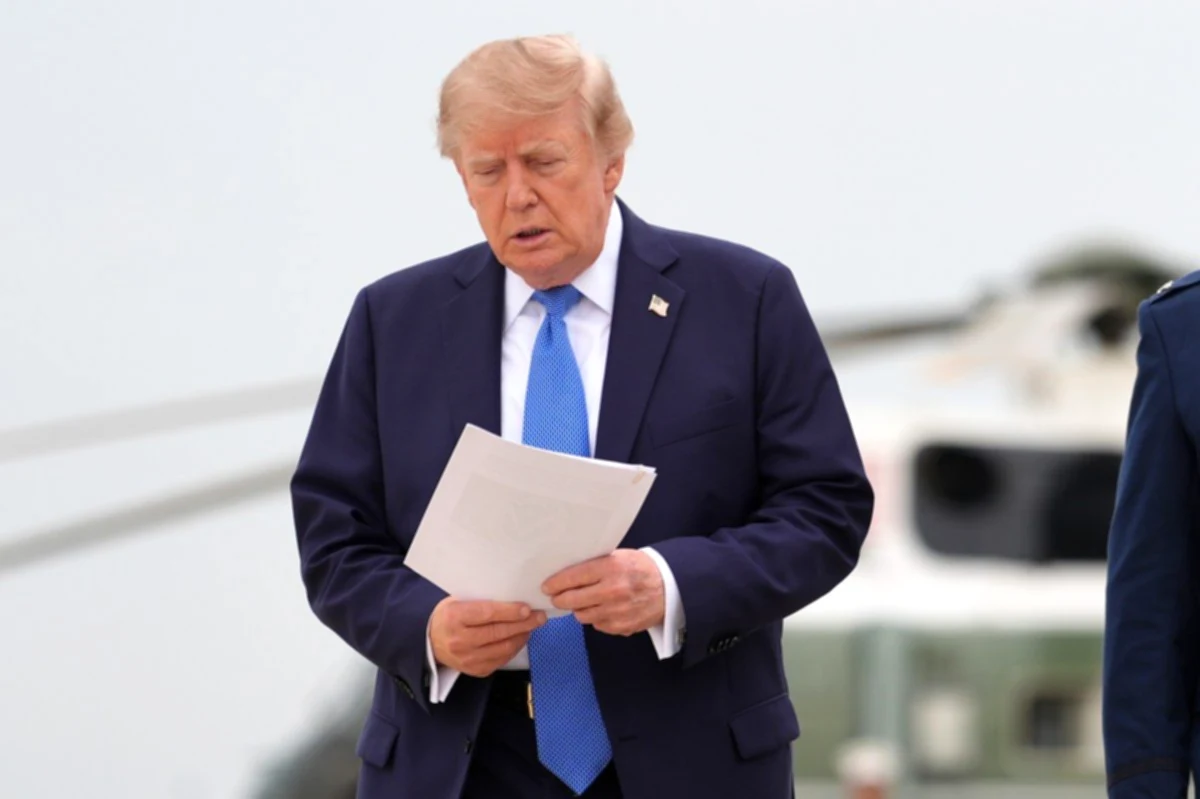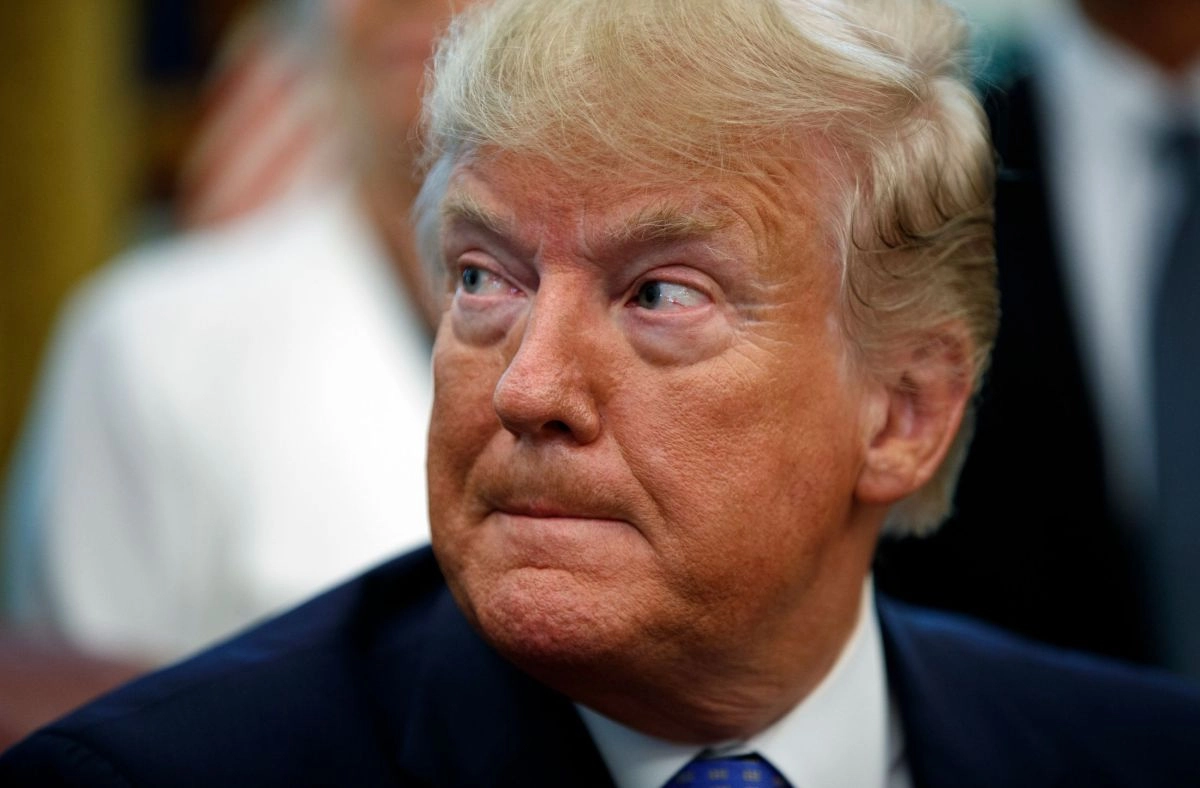

The 21st Century Housing Act, considered the most important bipartisan housing reform in recent decades, went into effect automatically after President Donald Trump decided not to sign it or veto it within the deadline established by the United States Constitution.
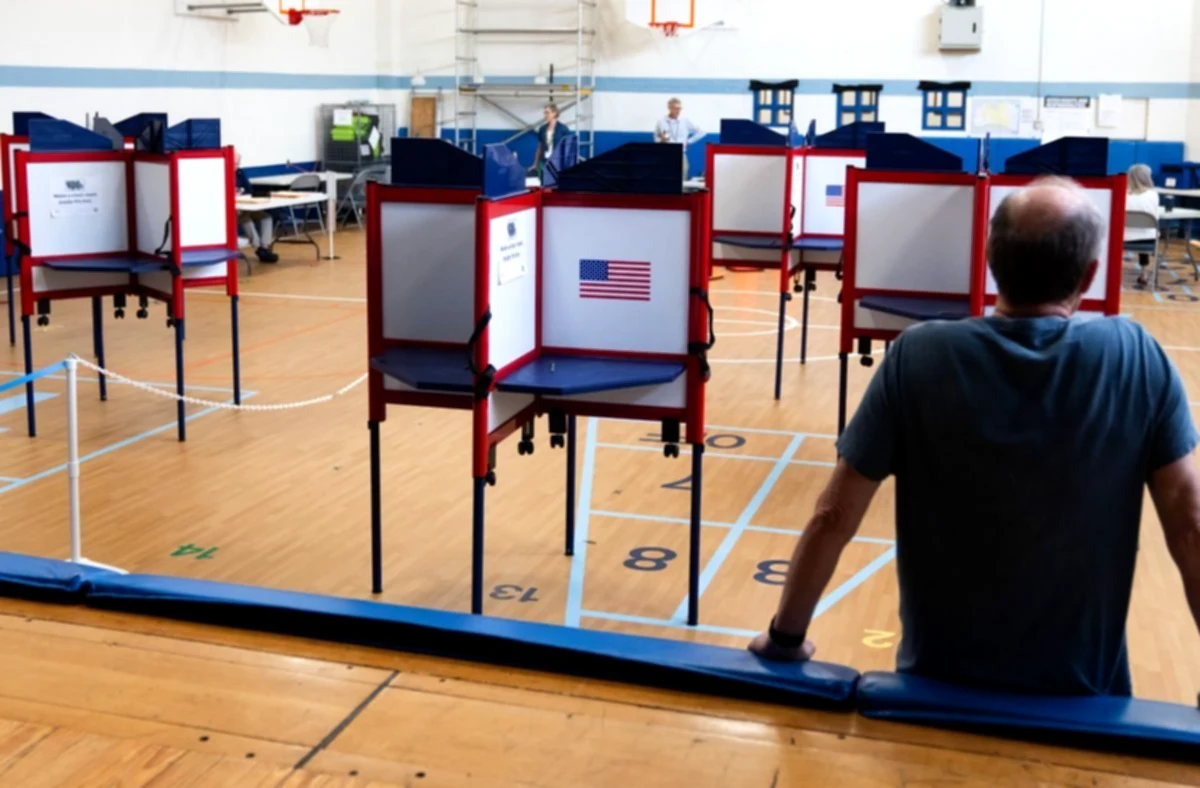
According to CBS News, the president refused to sign the legislation as a pressure measure to demand that the Senate approve the SAVE America Act, an initiative promoted by Republicans that seeks to tighten requirements for voter registration and the casting of the vote.
However, the US Constitution establishes that when a bill passed by the House of Representatives and the Senate is not signed or vetoed by the president within 10 days - not counting Sundays - it automatically becomes law.
Trump used the project as political pressure
Through Truth Social, Trump reiterated his decision not to sign the legislation.
“I will not sign the housing bill (…) in protest because the Senate has failed to pass the SAVE America Act,” the president wrote.
The decision surprised even Republican lawmakers, who had supported the initiative and hoped to highlight their efforts to address one of the issues that most concerns American families: access to more affordable housing.
Democratic Senator Elizabeth Warren, one of the main promoters of the project, criticized the president's position.
“Donald Trump couldn't sign it because he simply isn't interested in reducing costs for American families,” he said in a statement.
What changes with the new housing law
The new legislation incorporates more than 45 measures to increase the supply of housing and facilitate access to a home for millions of people.
Among the main actions are the reduction of regulatory obstacles to build affordable housing, incentives to transform empty commercial buildings into housing developments, greater resources for the construction of prefabricated housing and restrictions on the massive purchase of single-family homes by large institutional investors.
It also includes support for veterans, funds for communities that increase housing construction and changes in building standards that, according to its promoters, will reduce costs and accelerate new projects.
Although Trump avoided signing the legislation to focus attention on his electoral agenda, the reform ended up becoming law by constitutional mandate, consolidating one of the few bipartisan agreements reached in Congress in recent years.