Sunrise:
Sunset:
°C
Follow Us

What actions are concerning Trump's abuse of presidential power in 2025?

Brennan Center for Justice Experts Analyze Presidential Actions and the Constitutional Challenge They Represent

What actions are concerning Trump039s abuse of presidential power in 2025
Time to Read 15 Min

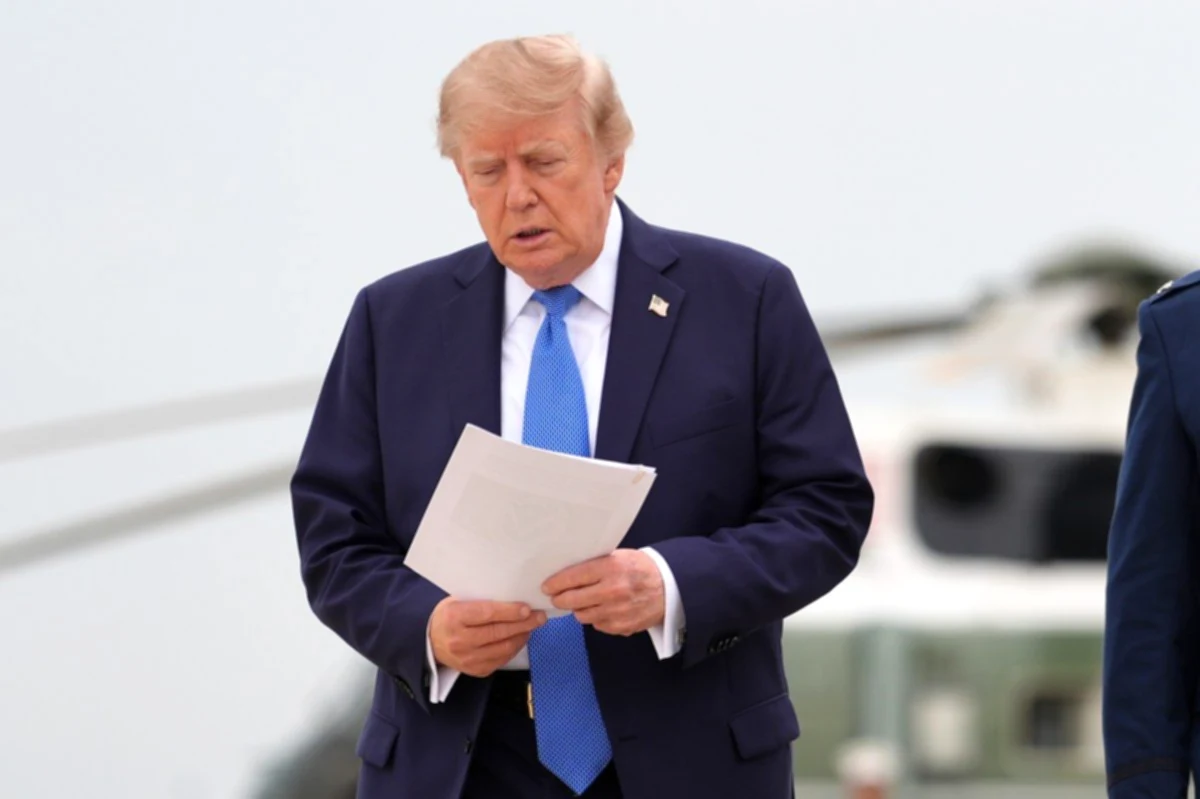
Several executive orders and proclamations by President Donald Trump are challenging the courts, the Supreme Court, and the United States Constitution, according to experts at the Brennan Center for Justice.

“From the beginning, and throughout this time, we have seen a great push, especially from President Donald Trump and his administration, regarding to test the limits "of our Constitution, to break the rules, norms, and even laws that limit power," said Michael Waldman, president and CEO of the Brennan Institute. “We have witnessed an unprecedented presidential takeover in many ways, and we have seen efforts to shape American democracy in ways that, while easy to say, are abnormal, would actually undermine and distort our own constitutional system of government.”

President Trump's executive orders modify the use of institutions for actions for which they were not designed, such as deploying the National Guard for public safety and immigration operations.

Also, the application of the Foreign Enemies Act for expedited deportations, the designation of cartels as terrorist organizations to justify military operations in the Caribbean and the Pacific, among others.

“What we have seen is an unprecedented effort to use the armed forces to address these law enforcement issues,” said Katherine Yon Ebright, a Homeland Security and Liberty Counselor at the Brennan Institute, at the virtual forum on the 2025 annual review.

Ebright added that some of the powers invoked by President Trump were incorporated into laws during specific contexts that the US is not currently experiencing, such as the War of 1812 and the World Wars.

Brennan's team has even supported lawsuits in court through amicus curiae briefs, but has also questioned how the Supreme Court has ruled on the Trump Administration's "emergency" requests.

"We don't know how the story will end,But we know that 2025 is a year in which our Constitution is at stake and our democracy is being tested," Waldman acknowledged.“The big constitutional issue right now is this extraordinary expansion of presidential power, this attempt to extraordinary expand presidential power and other areas, such as individual rights or states' rights.”

The Supreme Court as an Ally of Trump

President Trump has criticized the courts for ruling against his executive orders, whether on immigration, voting rights, firing federal employees, closing government offices, among others.

“The Supreme Court, with its very conservative supermajority, has been deeply in love with presidential power,” Waldman added.

Both Waldman and Daniel Weiner, director of Elections and Government at the Brennan Center, emphasized that the current Supreme Court majority seems to have a particular interest in granting more power to the president, as well as modifying regulations on election campaigns.

“I think what's fascinating is what's happening Here, right? Did you say this? [Chief Justice] John Roberts has been interested in this agenda for decades, right? have a kind of perfect storm: a long-term ideological project to empower the presidency, eliminate campaign finance rules, anti-corruption safeguards, which isn't exactly Trumpian, but it's now converging with a completely unchecked presidency in a very alarming way,” Weiner said. The expert considered that Chief Justice Roberts and other conservative justices even take “a rather cynical view of politics.” “Corruption looms, not only in campaign finance cases, but also in other anti-corruption cases. “The main concern is that politics is a dirty business.” “When the government starts to intervene and clean it up, that's terrible,” he warned. The Trump administration is using the process called a “shadow docket” before the Supreme Court more than the Republican's first term. The process basically leads the Supreme Court justices to make a decision on an “emergency request” from the federal government without waiting for appellate court rulings and without addressing the merits of a particular case. Georgetown law professor Steve Vladeck reports that, during the 16 years of the George W. Bush and Barack Obama presidencies, the Justice Department only requested “emergency” actions before the Supreme Court a total of eight times. During the four years of Biden's presidency, the number jumped to 19 requests. But even that number didn't reach 41 during Trump's first term. Currently, less than a year into his presidency, he has already requested 32 such actions. "That's not something we've seen before. Are these broad constitutional theories being used in the realm of emergency presidential powers, war powers, or has it really not been necessary for them to be?" Waldman noted.such as individual rights or states' rights.”

The Supreme Court as an Ally of Trump

President Trump has criticized the courts for ruling against his executive orders, whether on immigration, voting rights, firing federal employees, closing government offices, among others.

“The Supreme Court, with its very conservative supermajority, has been deeply in love with presidential power,” Waldman added.

Both Waldman and Daniel Weiner, director of Elections and Government at the Brennan Center, emphasized that the current Supreme Court majority seems to have a particular interest in granting more power to the president, as well as modifying regulations on election campaigns.

“I think what's fascinating is what's happening Here, right? Did you say this? [Chief Justice] John Roberts has been interested in this agenda for decades, right? So we have a kind of perfect storm: a long-term ideological project to empower the presidency, eliminate campaign finance rules, anti-corruption safeguards, which isn't exactly Trumpian, but it's now converging with a completely unchecked presidency in a very alarming way,” Weiner said. The expert considered that Chief Justice Roberts and other conservative justices even take “a rather cynical view of politics.” “Corruption looms, not only in campaign finance cases, but also in other anti-corruption cases. “The main concern is that politics is a dirty business.” “When the government starts to intervene and clean it up, that's terrible,” he warned. The Trump administration is using the process called a “shadow docket” before the Supreme Court more than the Republican's first term. The process basically leads the Supreme Court justices to make a decision on an “emergency request” from the federal government without waiting for appellate court rulings and without addressing the merits of a particular case. Georgetown law professor Steve Vladeck reports that, during the 16 years of the George W. Bush and Barack Obama presidencies, the Justice Department only requested “emergency” actions before the Supreme Court a total of eight times. During the four years of Biden's presidency, the number jumped to 19 requests. But even that number didn't reach 41 during Trump's first term. Currently, less than a year into his presidency, he has already requested 32 such actions. "That's not something we've seen before. Are these broad constitutional theories being used in the realm of emergency presidential powers, war powers, or has it really not been necessary for them to be?" Waldman noted.such as individual rights or states' rights.”

The Supreme Court as an Ally of Trump

President Trump has criticized the courts for ruling against his executive orders, whether on immigration, voting rights, firing federal employees, closing government offices, among others.

“The Supreme Court, with its very conservative supermajority, has been deeply in love with presidential power,” Waldman added.

Both Waldman and Daniel Weiner, director of Elections and Government at the Brennan Center, emphasized that the current Supreme Court majority seems to have a particular interest in granting more power to the president, as well as modifying regulations on election campaigns.

“I think what's fascinating is what's happening Here, right? Did you say this? [Chief Justice] John Roberts has been interested in this agenda for decades, right? So we have a kind of perfect storm: a long-term ideological project to empower the presidency, eliminate campaign finance rules, anti-corruption safeguards, which isn't exactly Trumpian, but it's now converging with a completely unchecked presidency in a very alarming way,” Weiner said. The expert considered that Chief Justice Roberts and other conservative justices even take “a rather cynical view of politics.” “Corruption looms, not only in campaign finance cases, but also in other anti-corruption cases. “The main concern is that politics is a dirty business.” “When the government starts to intervene and clean it up, that's terrible,” he warned. The Trump administration is using the process called a “shadow docket” before the Supreme Court more than the Republican's first term. The process basically leads the Supreme Court justices to make a decision on an “emergency request” from the federal government without waiting for appellate court rulings and without addressing the merits of a particular case. Georgetown law professor Steve Vladeck reports that, during the 16 years of the George W. Bush and Barack Obama presidencies, the Justice Department only requested “emergency” actions before the Supreme Court a total of eight times. During the four years of Biden's presidency, the number jumped to 19 requests. But even that number didn't reach 41 during Trump's first term. Currently, less than a year into his presidency, he has already requested 32 such actions. "That's not something we've seen before. Are these broad constitutional theories being used in the realm of emergency presidential powers, war powers, or has it really not been necessary for them to be?" Waldman noted.

“The Supreme Court, with its very conservative supermajority, has been deeply in love with presidential power,” Waldman added.

Both Waldman and Daniel Weiner, director of Elections and Government at the Brennan Center, emphasized that the current Supreme Court majority seems to have a particular interest in granting more power to the president, as well as modifying regulations on election campaigns.

“I think what's fascinating is what's happening Here, right? Did you say this? [Chief Justice] John Roberts has been interested in this agenda for decades, right? So we have a kind of perfect storm: a long-term ideological project to empower the presidency, eliminate campaign finance rules, anti-corruption safeguards, which isn't exactly Trumpian, but it's now converging with a completely unchecked presidency in a very alarming way,” Weiner said. The expert considered that Chief Justice Roberts and other conservative justices even take “a rather cynical view of politics.” "Corruption looms, not only in campaign finance cases, but also in other anti-corruption cases. The main concern is that politics is a dirty business." “When the government starts to intervene and clean it up, that's terrible,” he warned. The Trump administration is using the process called a “shadow docket” before the Supreme Court more than the Republican's first term. The process basically leads the Supreme Court justices to make a decision on an “emergency request” from the federal government without waiting for appellate court rulings and without addressing the merits of a particular case. Georgetown law professor Steve Vladeck reports that, during the 16 years of the George W. Bush and Barack Obama presidencies, the Justice Department only requested “emergency” actions before the Supreme Court a total of eight times. During the four years of Biden's presidency, the number jumped to 19 requests. But even that number didn't reach 41 during Trump's first term. Currently, less than a year into his presidency, he has already requested 32 such actions. "That's not something we've seen before. Are these broad constitutional theories being used in the realm of emergency presidential powers, war powers, or has it really not been necessary for them to be?" Waldman noted.

“The Supreme Court, with its very conservative supermajority, has been deeply in love with presidential power,” Waldman added.

Both Waldman and Daniel Weiner, director of Elections and Government at the Brennan Center, emphasized that the current Supreme Court majority seems to have a particular interest in granting more power to the president, as well as modifying regulations on election campaigns.

“I think what's fascinating is what's happening Here, right? Did you say this? [Chief Justice] John Roberts has been interested in this agenda for decades, right? So we have a kind of perfect storm: a long-term ideological project to empower the presidency, eliminate campaign finance rules, anti-corruption safeguards, which isn't exactly Trumpian, but it's now converging with a completely unchecked presidency in a very alarming way,” Weiner said. The expert considered that Chief Justice Roberts and other conservative justices even take “a rather cynical view of politics.” "Corruption looms, not only in campaign finance cases, but also in other anti-corruption cases. The main concern is that politics is a dirty business." “When the government starts to intervene and clean it up, that's terrible,” he warned. The Trump administration is using the process called a “shadow docket” before the Supreme Court more than the Republican's first term. The process basically leads the Supreme Court justices to make a decision on an “emergency request” from the federal government without waiting for appellate court rulings and without addressing the merits of a particular case. Georgetown law professor Steve Vladeck reports that, during the 16 years of the George W. Bush and Barack Obama presidencies, the Justice Department only requested “emergency” actions before the Supreme Court a total of eight times. During the four years of Biden's presidency, the number jumped to 19 requests. But even that number didn't reach 41 during Trump's first term. Currently, less than a year into his presidency, he has already requested 32 such actions. "That's not something we've seen before. Are these broad constitutional theories being used in the realm of emergency presidential powers, war powers, or has it really not been necessary for them to be?" Waldman noted.right? So we have a kind of perfect storm: a long-term ideological project to empower the presidency, eliminate campaign finance rules, anti-corruption safeguards, which isn't exactly Trumpian, but it's now converging with a completely unchecked presidency in a very alarming way,” Weiner said. The expert considered that Chief Justice Roberts and other conservative justices even take “a rather cynical view of politics.” “Corruption looms, not only in campaign finance cases, but also in other anti-corruption cases. “The main concern is that politics is a dirty business.” “When the government starts to intervene and clean it up, that's terrible,” he warned. The Trump administration is using the process called a “shadow docket” before the Supreme Court more than the Republican's first term. The process basically leads the Supreme Court justices to make a decision on an “emergency request” from the federal government without waiting for appellate court rulings and without addressing the merits of a particular case. Georgetown law professor Steve Vladeck reports that, during the 16 years of the George W. Bush and Barack Obama presidencies, the Justice Department only requested “emergency” actions before the Supreme Court a total of eight times. During the four years of Biden's presidency, the number jumped to 19 requests. But even that number didn't reach 41 during Trump's first term. Currently, less than a year into his presidency, he has already requested 32 such actions. "That's not something we've seen before. Are these broad constitutional theories being used in the realm of emergency presidential powers, war powers, or has it really not been necessary for them to be?" Waldman noted.right? So we have a kind of perfect storm: a long-term ideological project to empower the presidency, eliminate campaign finance rules, anti-corruption safeguards, which isn't exactly Trumpian, but it's now converging with a completely unchecked presidency in a very alarming way,” Weiner said. The expert considered that Chief Justice Roberts and other conservative justices even take “a rather cynical view of politics.” “Corruption looms, not only in campaign finance cases, but also in other anti-corruption cases. “The main concern is that politics is a dirty business.” “When the government starts to intervene and clean it up, that's terrible,” he warned. The Trump administration is using the process called a “shadow docket” before the Supreme Court more than the Republican's first term. The process basically leads the Supreme Court justices to make a decision on an “emergency request” from the federal government without waiting for appellate court rulings and without addressing the merits of a particular case. Georgetown law professor Steve Vladeck reports that, during the 16 years of the George W. Bush and Barack Obama presidencies, the Justice Department only requested “emergency” actions before the Supreme Court a total of eight times. During the four years of Biden's presidency, the number jumped to 19 requests. But even that number didn't reach 41 during Trump's first term. Currently, less than a year into his presidency, he has already requested 32 such actions. "That's not something we've seen before. Are these broad constitutional theories being used in the realm of emergency presidential powers, war powers, or has it really not been necessary for them to be?" Waldman noted.the Justice Department only requested “emergency” actions before the Supreme Court a total of eight times. During the four years of Biden's presidency, the number jumped to 19 requests. But even that number didn't reach 41 during Trump's first term. Currently, less than a year into his presidency, he has already requested 32 such actions. "That's not something we've seen before. Are these broad constitutional theories being used in the realm of emergency presidential powers, war powers, or has it really not been necessary for them to be?" Waldman noted.the Justice Department only requested “emergency” actions before the Supreme Court a total of eight times. During the four years of Biden's presidency, the number jumped to 19 requests. But even that number didn't reach 41 during Trump's first term. Currently, less than a year into his presidency, he has already requested 32 such actions. "That's not something we've seen before. Are these broad constitutional theories being used in the realm of emergency presidential powers, war powers, or has it really not been necessary for them to be?" Waldman noted.

This news has been tken from authentic news syndicates and agencies and only the wordings has been changed keeping the menaing intact. We have not done personal research yet and do not guarantee the complete genuinity and request you to verify from other sources too.

Also Read This:


Share This:


About | Terms of use | Privacy Policy | Cookie Policy