In 2026: Latino voters are the undecided bloc that Democrats and Republicans will have to convince
Latino voters have proven to be a complex electoral force and, not being a sociocultural monolith, have become an undecided bloc
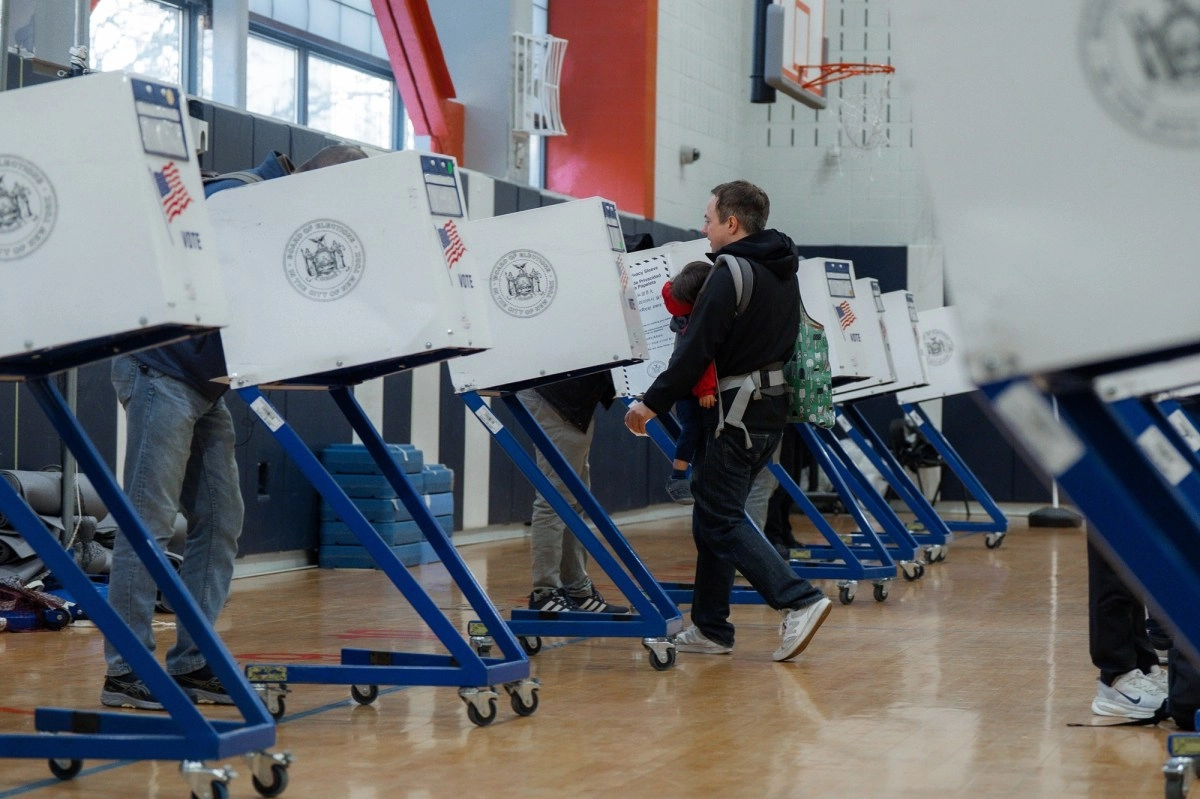
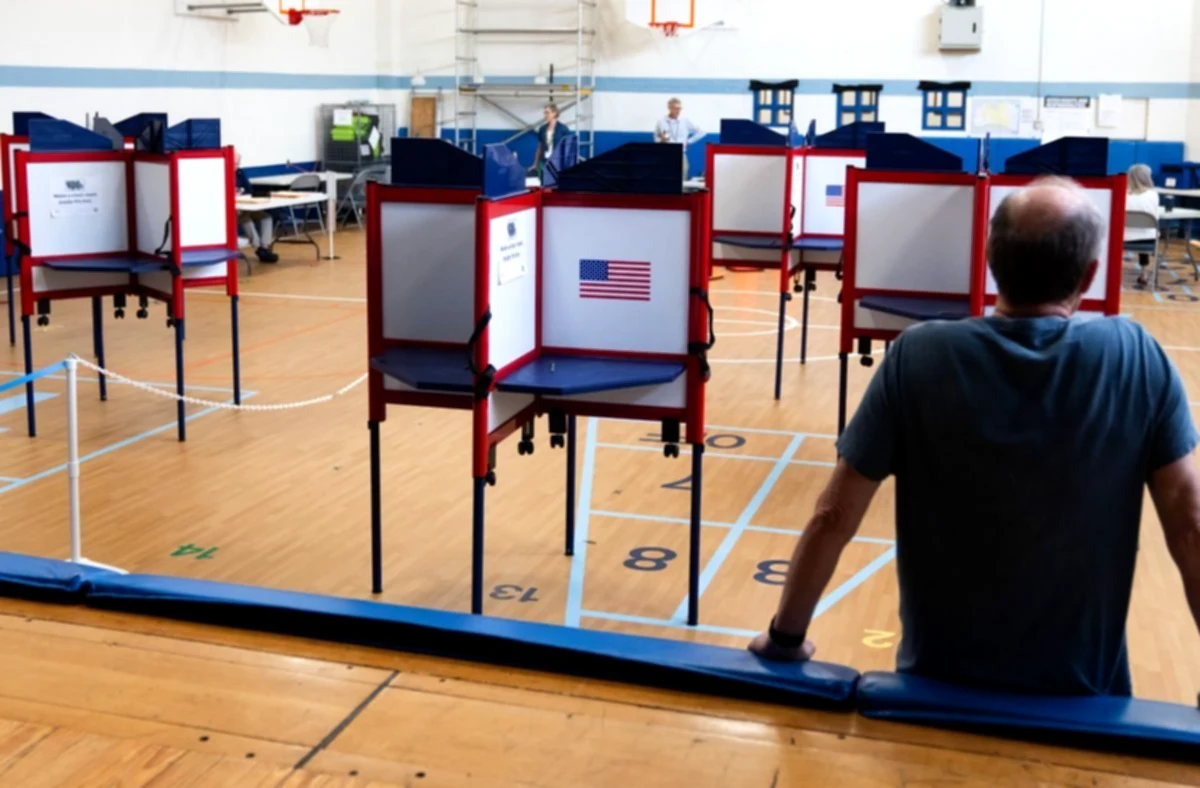
In the last elections in the United States, Latinos—the fastest-growing voting bloc in the country—have proven to be the most undecided, tipping the balance either for Democrats or Republicans, which will pose a challenge in the elections midterms of 2026.
“Latino voters are increasingly looking for leadership that reflects their lived experiences and directly addresses the challenges affecting their communities, from immigration and economic insecurity to access to healthcare and education,” said the organization Voto Latino, after being consulted about the 2026 projections. “As a result, Latinos are becoming a true swing vote: more persuasive than ever and willing to support candidates who earn their trust through meaningful participation and action.”
While in 2020, the Latino vote helped President Joe Biden win with more than 60% of Latino voters in his favor, in 2024 the balance did not tip completely in favor of President Donald Trump, with more than 40% of the Latino vote, but it marked the trend of these voters remaining undecided.
In the 2025 elections, Latinos showed their disappointment with the Republicans, which This was reflected in several contests, such as in New Jersey, where 68% of Latino voters supported Democratic gubernatorial candidate Mikie Sherrill against Republican Jack Ciattarelli, who received <a href="/topic/Trump">Trump</a>'s endorsement. A similar trend occurred in Virginia, where Latinos also voted for Democratic gubernatorial candidate Abigail Spanberger, who garnered 67% of the vote. Even in Manassas and Manassas Park—with a population over 40% Latino and where <a href="/topic/Trump">Trump</a> made gains in 2024—Latinos favored Spanberger. “The 2025 elections made it clear. Latino voters proved decisive in key contests across the country, including California’s Proposition 50,“The race for mayor of New York City and the gubernatorial elections in Virginia and New Jersey,” Voto Latino added. “These results underscore a growing political reality: Latino voter participation cannot be taken for granted, nor can it be assumed that they will only participate in the final weeks of an election cycle.” In New York, according to the Center for Information & Research on Civic Learning and Engagement (CIRCLE), 85% of young Latino voters favored the social democrat Zohran Mamdani. “We are witnessing Latino voters becoming a silent majority, increasingly going to the polls not out of habit, but as an act of protest and accountability,” Voto Latino added. “Their vote in 2026 will be a powerful statement about the future they demand for themselves, their families, and the country.” Voto Latino emphasized that in 2026, the main challenge for voters will be participation, in addition to trust in candidates. “Voters are looking “Leaders who honestly address their concerns and make them feel valued beyond election season,” the organization added. “Latino voters, in particular, are looking for respect, authenticity, and a political system that recognizes their power.”
Congressional Renewal
The House of Representatives will be up for renewal on November 3, 2026, along with 33 Senate seats, including five of the six non-voting members.
It is noteworthy that eight senators and 38 representatives will not be running for reelection in 2026.
Currently, Republicans control both houses of Congress: a 53-45 majority in the Senate, but Democrats have two independents attached to their caucus, bringing their total to 47 votes.
In the House of Representatives, Republicans hold a majority of 219 seats to 213, with three vacancies.
Historically, the Brookings Institution reports, the incumbent president loses ground in Congress, as has been the case in 20 of the last 22 elections. One exception was in 2001, when George W. Bush's approval rating soared to 63% after the 9/11 attacks.
By 2026, Democrats need to gain four seats to secure a majority in the Senate, but Republicans cannot afford to lose more than two seats to maintain their majority.
President Trump's popularity will play a crucial role, as it has in other elections, the Brookings analysis indicates.
As for the House, Democrats need to win three districts to gain a majority, and Republicans cannot afford to lose more than two districts if they want to retain their majority.
“Republicans will find it much harder to defend their narrow majority in the House of Representatives, as both history and current political realities are stacked against them,” Brookings notes. Other issues of national impact: The economy will be a key element on the national political stage, including rising prices, inflation, and the cost of health insurance, after more than 20 million people faced high costs following the failure of subsidies in Congress. “The country must confront a growing economic crisis that is affecting families in every corner of the United States, and hitting Black and Latino communities especially hard,” Voto Latino stated. “The rising costs of housing, healthcare, food, and childcare are outpacing wages, leaving millions struggling to meet their basic needs.”
Data reveals that 39% of Latinos and 38% of African American adults report skipping meals, while 43% of African Americans report having skipped or fallen behind on a bill.
Debt has become another overwhelming burden, with 64% of African Americans and 55% of Latinos carrying more than $5,000 in non-mortgage debt, hindering stability and the ability to save for the future.
“This economic pressure is transforming not only household budgets but also civic engagement,” notes Voto Latino. “People are starting to feel that the system isn’t working for them, which is fueling frustration and disaffection, and this will have profound implications for the 2026 elections and beyond.”While 43% of African Americans report having missed or fallen behind on a bill payment.
Debt has become another overwhelming burden, with 64% of African Americans and 55% of Latinos carrying more than $5,000 in non-mortgage debt, hindering stability and saving for the future.
“This economic pressure is transforming not only household budgets but also civic engagement,” notes Voto Latino. “People are beginning to feel that the system isn’t working for them, which is fueling frustration and disengagement, and will have profound implications for the 2026 elections and beyond.”
This news has been tken from authentic news syndicates and agencies and only the wordings has been changed keeping the menaing intact. We have not done personal research yet and do not guarantee the complete genuinity and request you to verify from other sources too.