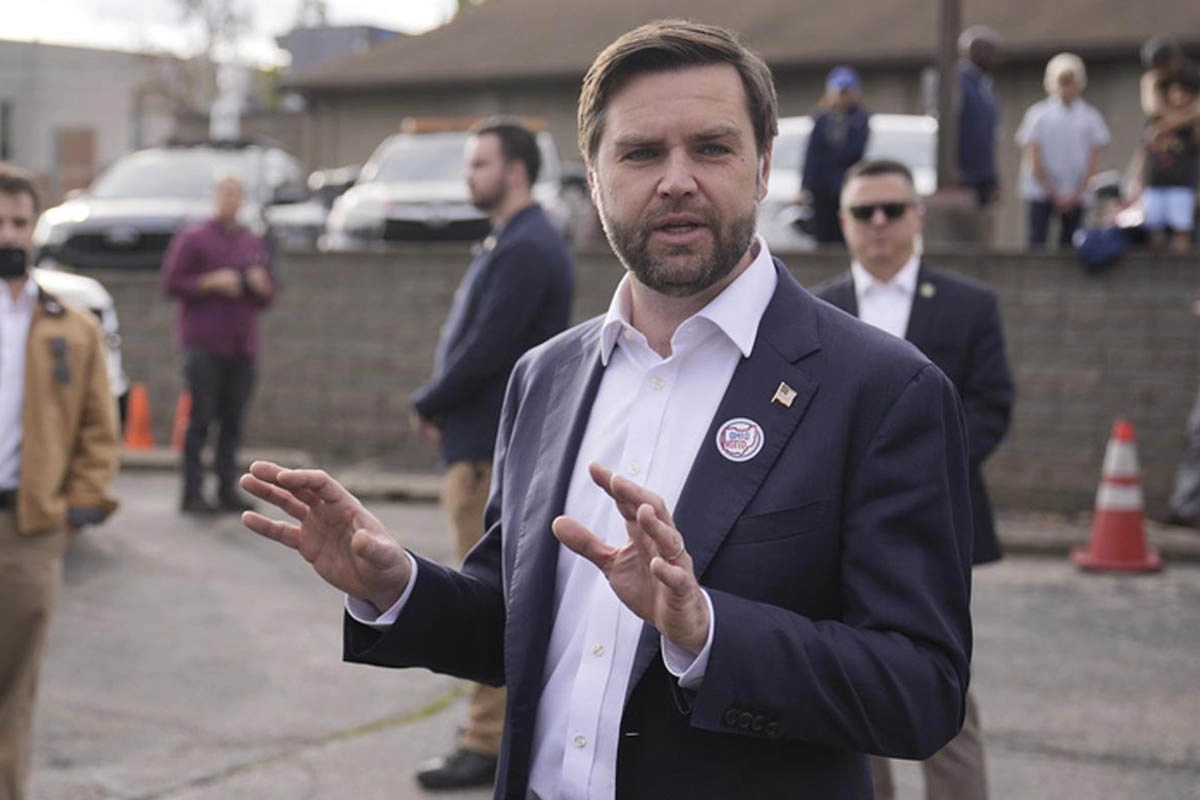

Vice President James David Vance is convinced that, regardless of the direction of the peace negotiations with the Tehran government and, whether or not a peace agreement is reached, the United States is the winner of the war that began against Iran on February 28.
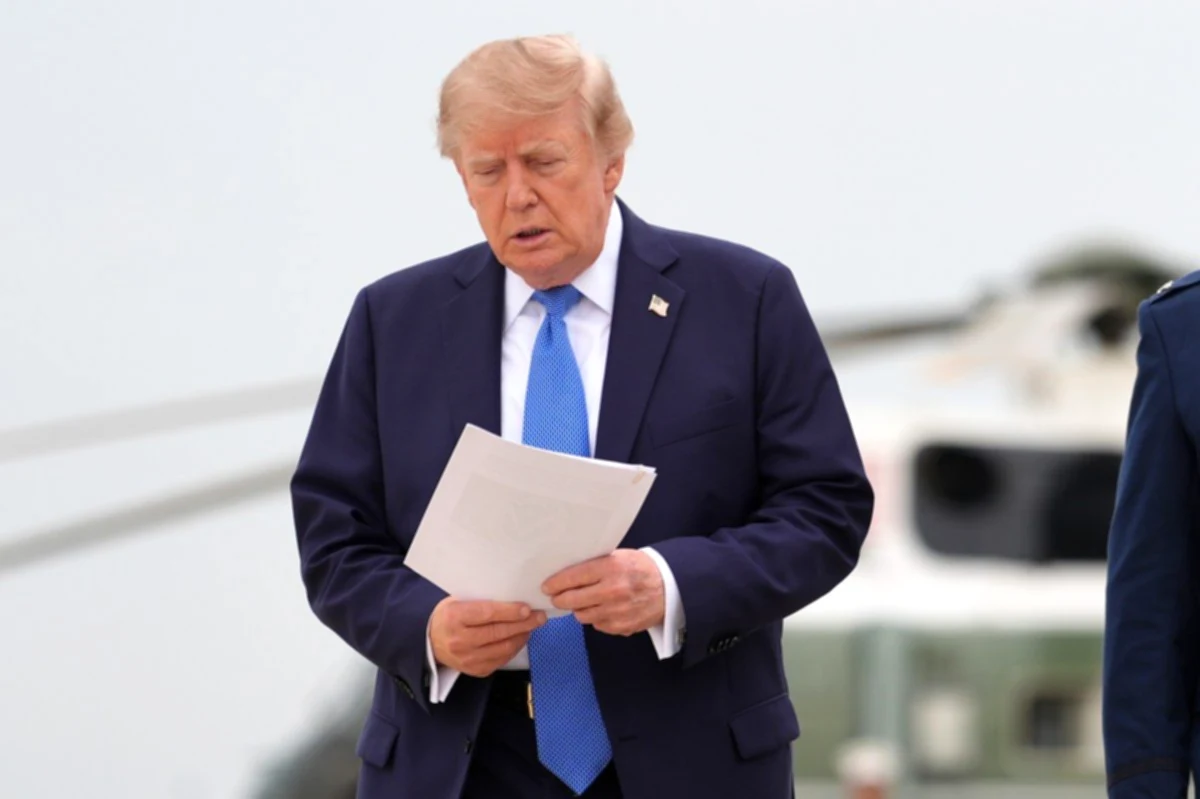
Despite the existence of a memorandum of understanding (MOU) signed by President Donald Trump and Iranian President Masoud Pezeshkian aimed at ending the war and establishing a ceasefire, the Islamic Republic took the first step to break said commitment.
On Thursday afternoon, it attacked a Singapore-flagged merchant ship transiting the Strait of Hormuz.
In response, the United States Central Command (CENTCOM) deployed in the Persian Gulf bombed some Iranian military facilities located near the coast, on Friday.
Later, during the early hours of Saturday, the initiative arose from Tehran to attack Bahrain, where the Fifth Fleet of the US Navy is concentrated.
The give and take of detonations raised the possibility of resuming a war conflict that seems more complex to resolve than it seemed.
During an interview given to the program “Real Time with Bill Maher”, which is broadcast on the HBO television network, the second most powerful man in the White House downplayed the fact of signing any type of agreement with Iran, as he defines it as a very weakened country militarily after the United States allegedly destroyed most of its weapons depots and its navy.
"If we get to the final deal, great. If we don't get to the deal, their nuclear program will still be destroyed. They will still be a much weaker country. So my position is that the United States wins either way," he said.
Vance even pointed out that the clearest example of Iran's loss of power internationally is reflected in the drop in oil prices following Donald Trump's reopening of the Strait of Hormuz.
"If you look at oil right now, it has dropped to $73 a barrel again, although it rose to $126 a barrel. So there is a sign that something important is happening," he said.