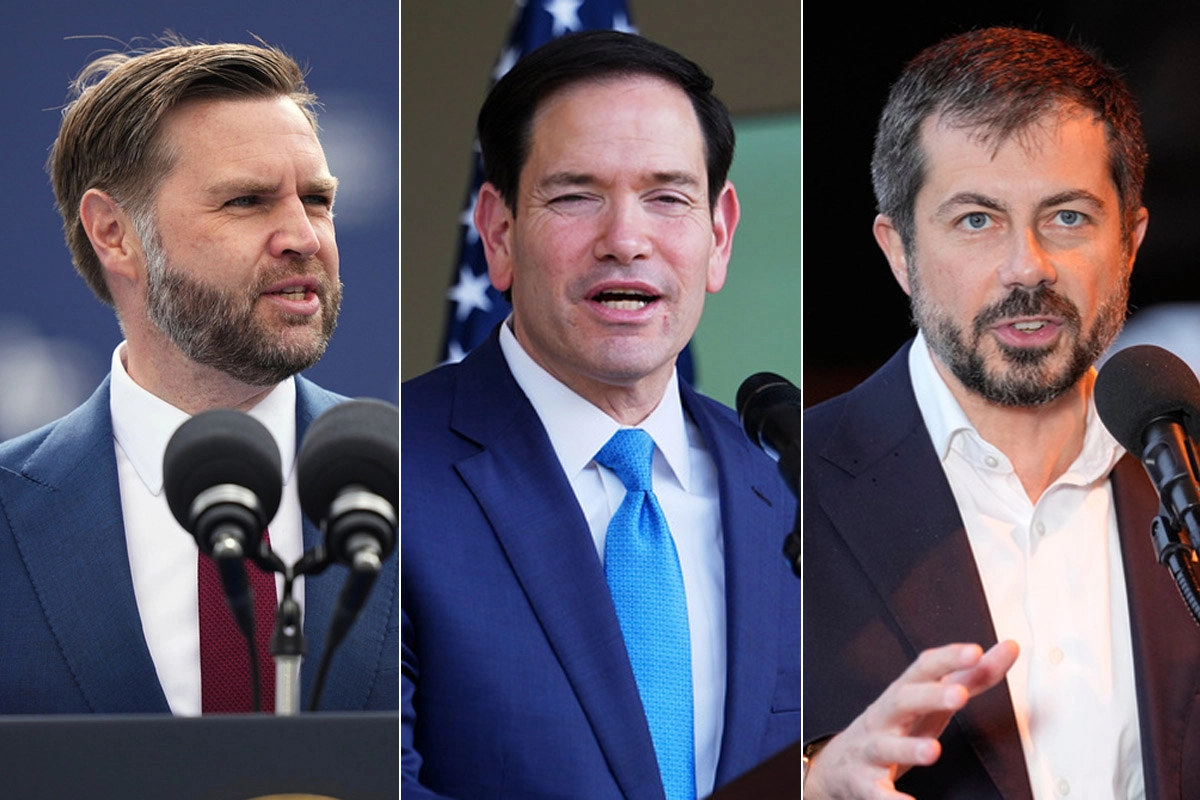

James David Vance, vice president of the nation; Marco Rubio, Secretary of State; and Pete Buttigieg, former Secretary of Transportation in the Biden administration, emerge as the best-positioned presidential candidates heading into the 2028 elections, according to the results of a survey recently carried out by the nonpartisan public opinion and survey research center Emerson College Polling.
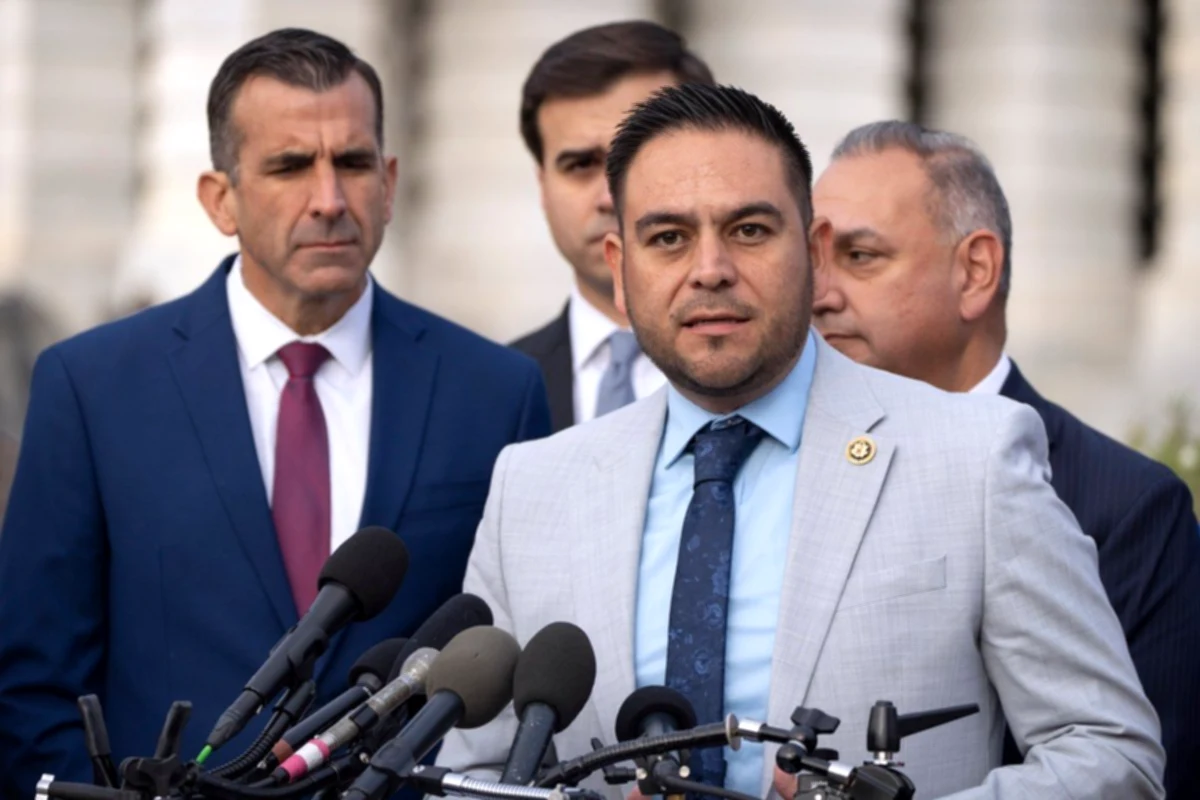
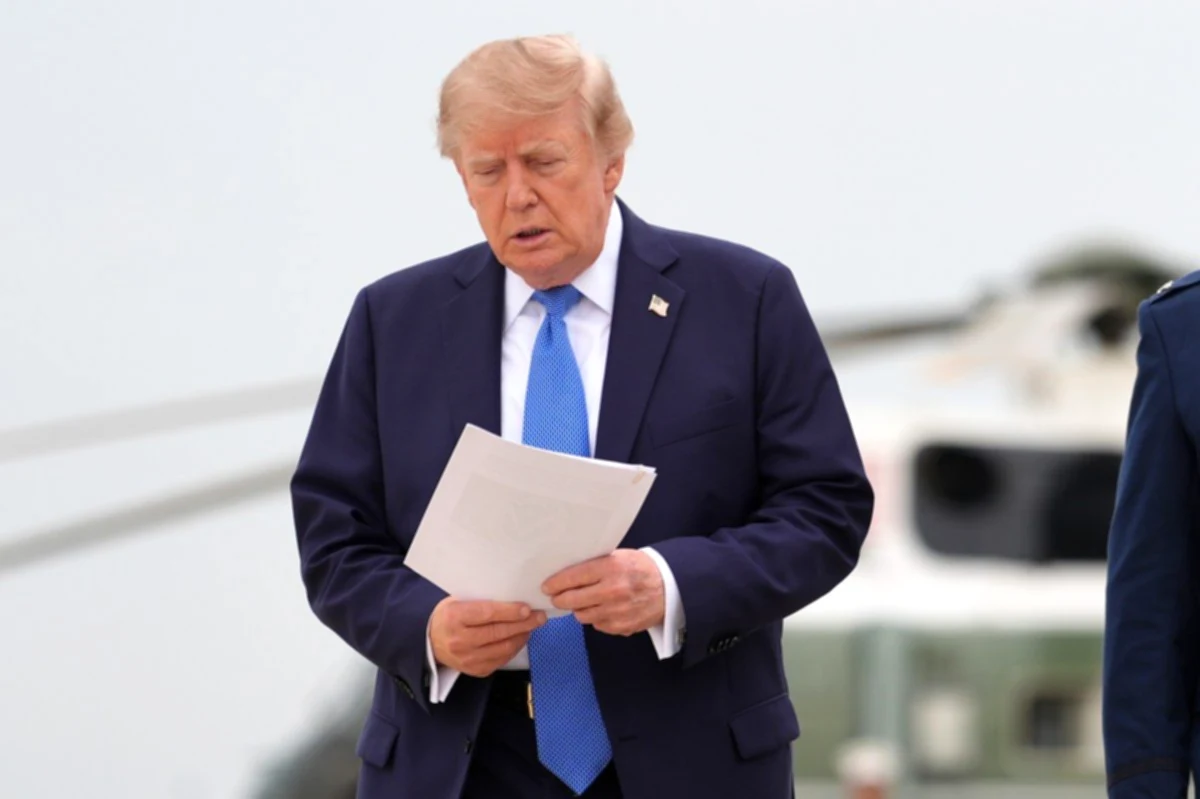
Regarding the Republican Party, the results indicate that J.D. Vance and Marco Rubio are the leading candidates for the Republican nomination in two years.
While 36% of the people consulted support the second in command of the White House; 35% favor the first Latino to hold the position of Secretary of State.
Far behind them are Ron DeSantis, governor of Florida; and Nikki Haley, former candidate for the conservative presidential candidacy in 2024, both with 5% citizen support.
“The Republican primary has changed significantly since February, when 52% supported Vance and 20% supported Rubio; potential 2028 candidates are now competing on equal terms,” Spencer Kimball, executive director of Emerson College Polling, said in a statement.
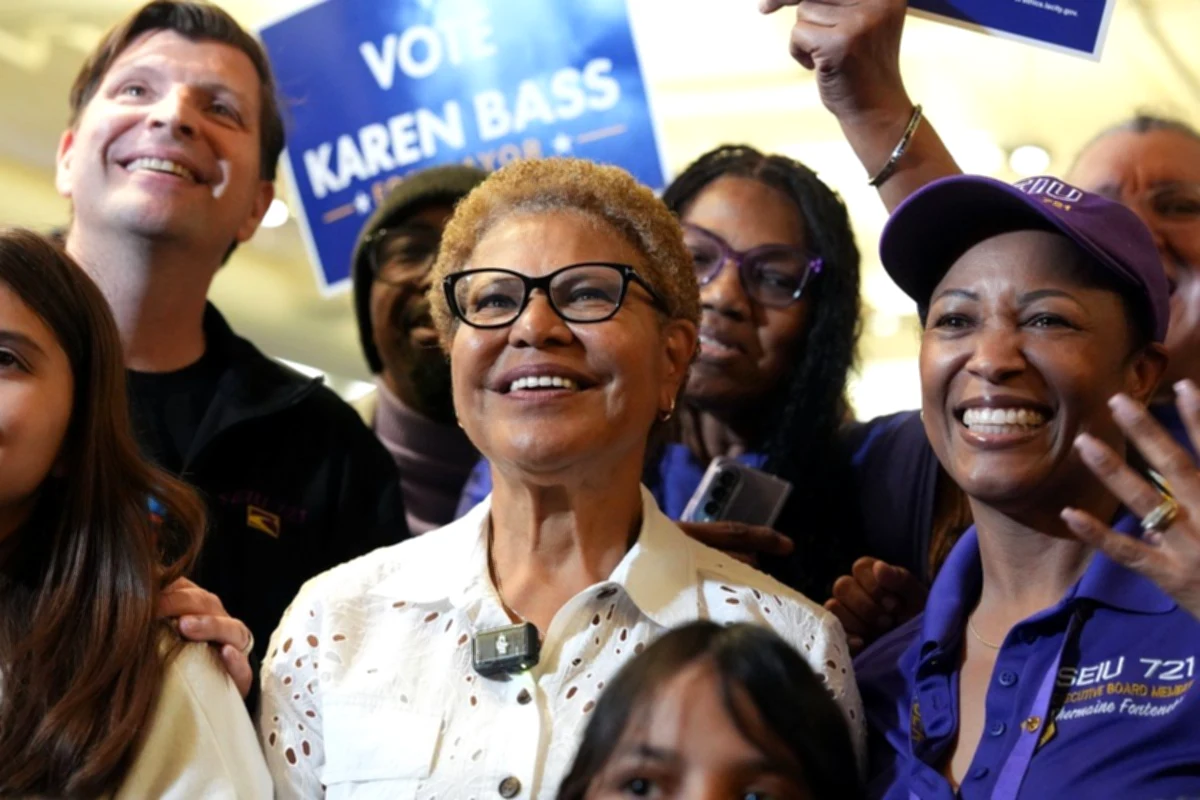
Regarding the situation that prevails within the Democratic Party, the increase in support acquired by Pete Buttigieg stands out when he leads the Democratic primaries with 18% support, followed by Gavin Newsom, governor of California, with 16%.
Next comes Alexandria Ocasio-Cortez (AOC), representative of New York, with 11%; Josh Shapiro, governor of Pennsylvania, with 10%; Kamala Harris, former vice president, with the same percentage; and Andy Beshear, governor of Kentucky, with 9% support.
In precise terms, from February to date, Buttigieg has obtained 2% more support; while support for Newsom fell 4%.
Relative to the rest of the Democrats, AOC obtained 2% more support; Shapiro advanced 3%; Beshear up 4%; and Harris lost 3%.
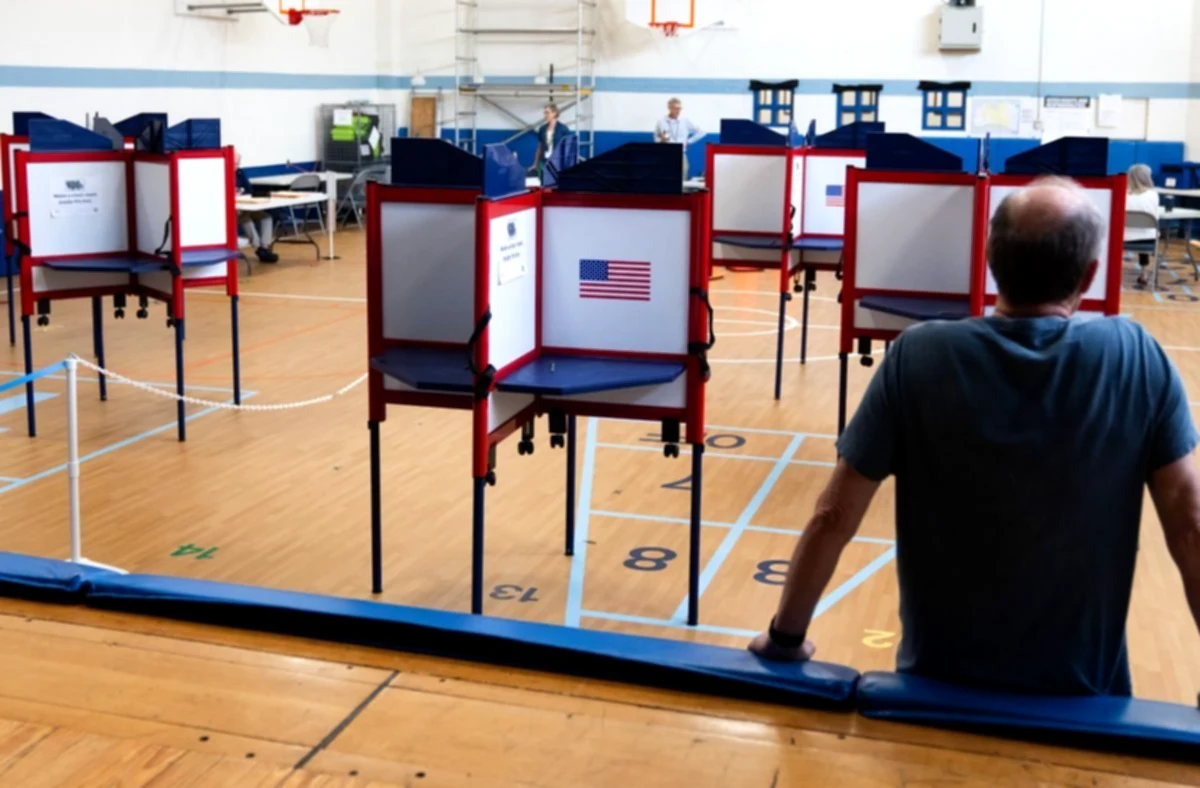
When it comes to the race heading into the midterm elections, Democrats have a nine-point lead, leading Republicans 50% to 41%.
Under this approach and with a long way to go, the trend indicates that, if the extraordinary candidate does not succeed, the winner of the November elections would once again be the minority party in Congress.