

Republicans cool third fiscal plan and rule out new reconciliation law
Senate Leaders Warn Relying on Future Funds Puts Key Defense Programs at Risk
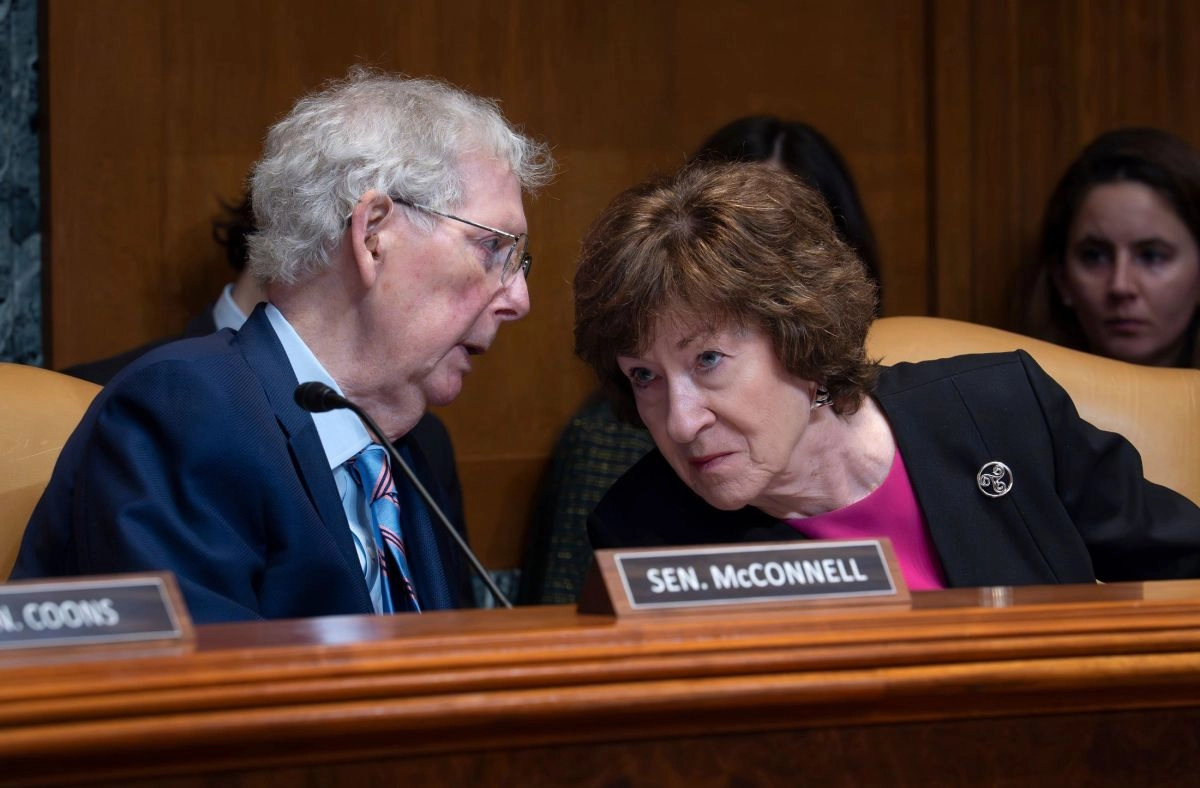

Two of the most influential voices of the Republican Party in the Senate agreed that it is unlikely that Congress will approve a third budget reconciliation law, a legislative tool that allows initiatives to advance with a simple majority and without risk of parliamentary blockage.
During a hearing on the Air Force budget for the next fiscal year, Republican Senator Susan Collins expressed concern about the administration's strategy to fund some defense programs with resources that would depend on a future reconciliation bill.
“It would simply suggest that you are taking a terrible risk and creating instability by relying on a third reconciliation bill,” Collins warned Defense Department officials.
McConnell: “It is not a realistic option”
The stance was backed by Sen. Mitch McConnell, who chairs the Appropriations Committee's defense subcommittee and will retire at the end of this year.
“I think we can safely conclude that there won't be another reconciliation bill, so it's really not an option,” McConnell said during the hearing.
Collins immediately responded: “I agree with that assessment.”
The statements represent a blow to some Republican sectors that had promoted the possibility of a third legislative package focused on reducing costs for American families, combating fraud in social programs and financing White House priorities.
Concern about defense resources
The discussion arises while the administration seeks to obtain part of the resources for defense through extraordinary mechanisms. As discussed during the hearing, about a quarter of certain requested funds would depend on future legislative measures.
In addition, lawmakers expected an additional request for funding related to the crisis in the Middle East and the conflict with Iran, although that request has not yet been sent to Congress.
For Collins, the safest path remains the traditional appropriations process, which requires bipartisan agreements and offers greater certainty for federal agencies and programs.
This news has been tken from authentic news syndicates and agencies and only the wordings has been changed keeping the menaing intact. We have not done personal research yet and do not guarantee the complete genuinity and request you to verify from other sources too.