
The security flaw known as WhisperPair has raised the threat of espionage, sound injection, and actually tracking in some cases for Bluetooth headphones and speakers that use Google's Fast Pair, raising the risk of the business on call. How many companies implemented Fast Pair, which leaves the door open to problems without the user actually touching the pairing button, is not the issue, but rather" Bluetooth in general. "
Invisible mobile access point
With the "tap to couple" pop-up that appears as soon as you open the case or turn on the headphones, Google Fast Pair was created to make connected headphones to Android/ChromeOS nearly instantaneous.
The unsettling twist: According to researchers at KU Leuven ( Belgium ), Fast Pair can accept requests for pairing on a number of certified accessories even when the device isn't actually in pairing mode, which theoretically shouldn't happen.
In reality, this means that a nearby attacker ( with Bluetooth range ) can attempt to obstruct a connection and" steal" your audio accessory in seconds, even if you were already using it. The worst part is that once the attacker is successful pairing the equipment, they can get them" as if they owned the unit," with choices ranging from interjecting sound to, in designs with microphones, attempting to reach circumstances of illicit listening ( depending on the device and the attack ).
Which companies are the victims of the safety weakness?
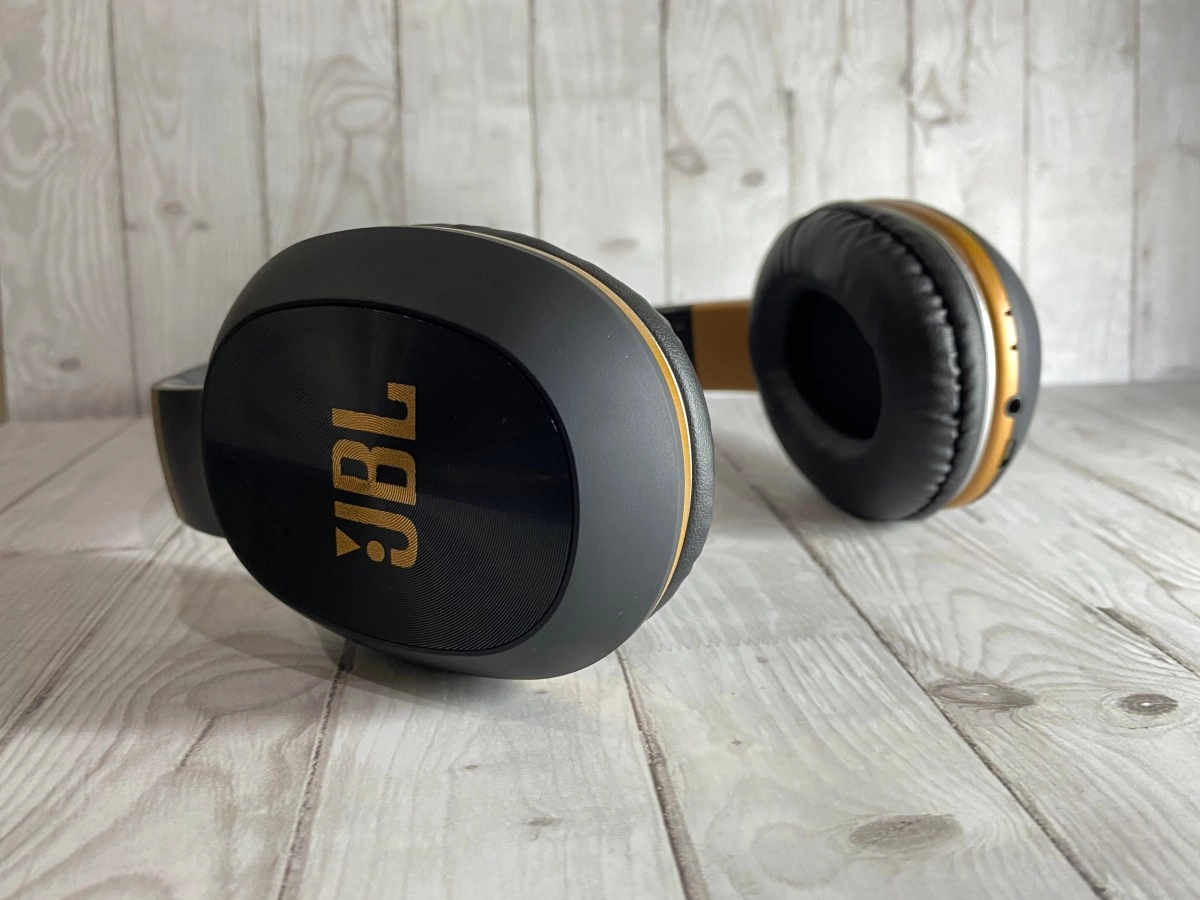
The common report on WhisperPair points to 17 affected designs from 10 businesses that have received Fast Pair documentation, including Google, Jabra, JBL, Marshall, Xiaomi, Little, OnePlus, Soundcore, Logitech, and Sony. Additionally, according to Engadget, Google claims that other partners are still looking into or deploying fixes while its damaged Pixel Buds are now patched and protected.
The important point here ( and the reason this is rising to "millions" ) is that a frequent failure in Fast Pair implementation across brands turns into a problem with a large reach. And indeed, this doesn't feel like a normal "niche" bug because it becomes plausible because of the commonality of the situation ( people walking around in public places with headphones on ).
How can your unit be protected?
Researchers describe how a hacker who is within Bluetooth range can hijack the device and, based on the model, activate sensitive features ( like the microphone ) or change the audio. An additional perspective is that, in some cases, an intruder could relate the laptop with their own accounts and use location-based tracking tools like Find Hub/Find My Device, despite Google's claim that it has implemented mitigations, and the researchers reported finding a swift bypass.