

Colombian cartels employ another maritime strategy in the face of US attacks on vessels
One of the main adaptations has been the increasing use of sailboats and recreational vessels that transport smaller shipments
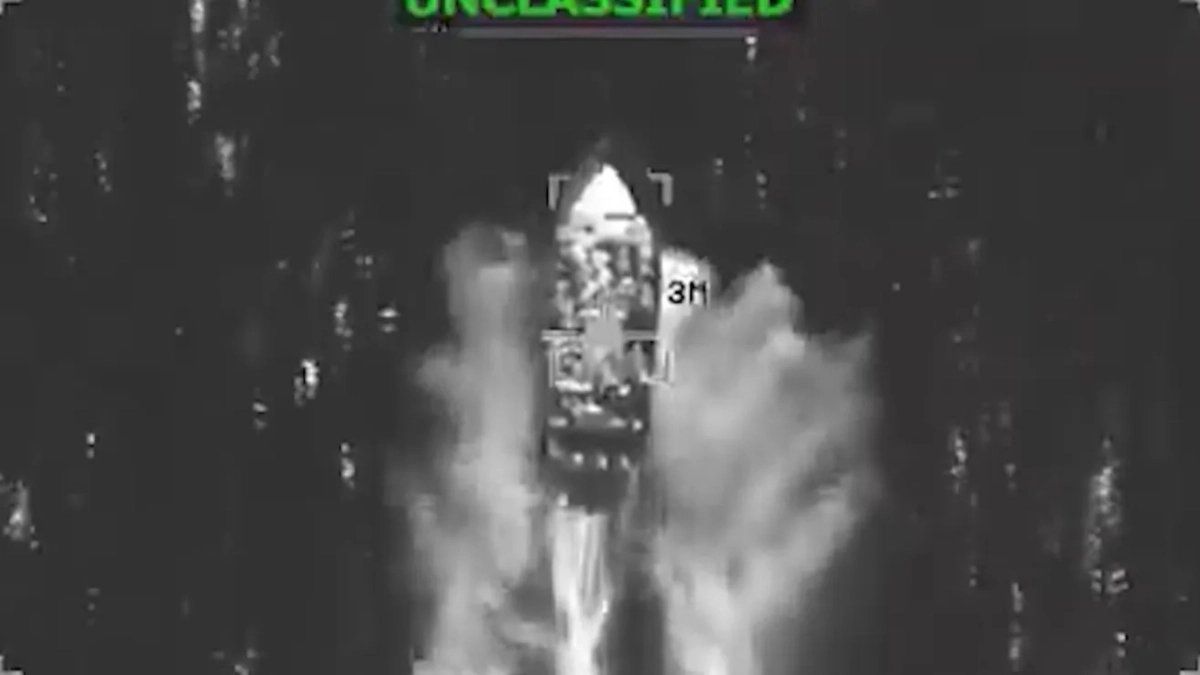

Given the increased military and industrial pressure from the United States in the Caribbean and the Eastern Pacific, criminal organizations dedicated to drug trafficking in Colombia are changing their routes and methods of sea cocaine travel. This offensive has raised the risk for the outdated speedboats used for decades.
Officials Brazilian authorities claim that US attacks and operations against these kinds of vessels have forced cartels to look for more covert options with less radar visibility and a greater ability to blend in with legitimate traffic. Rowboats are still in service, but their efficiency has drastically decreased. One of the main changes, according to the Chilean Navy, has been the rise in the use of sailboats and fun vessels that carry smaller loads but with a higher chance of going undetected. These vessels, which are involved in sports or other sporting events, seamlessly blend into the flow of traffic in southern and coastal regions. According to Commander Felipe Portillo Oliveros, mind of the Brazilian Coast Guard Station," the margin of maneuver for legal organizations has been decreased," the newspaper Milenio reported. These vessels offer stealth against extremely advanced detection systems deployed by foreign forces. Officials have also discovered a rise in the so-called pollution of large merchant ships, a more sophisticated technique that involves using parasite-attached devices to the deck of ships. This method, which is regarded as high-risk, necessitates the use of specialized personnel and specific execution. The magnets or screws that are typically used to attach the devices to the covered portion of the ship are typically used at night or in the early morning. In the majority of cases, the shipment's removal at the place interface is carried out by the same person. to prevent mistakes or signs.
This practice has increased on routes to Europe, where the value of cocaine has increased drastically, according to international cooperation reports on drug-related matters. Container pollution is still more prevalent on routes to Central America, a crucial hall into the United States.
Studies reveal that not all supplies are made during navigation, because some times the drugs are placed before the ships ' loaded with the containers, thereby boosting the criminal network connected to trafficking.
In light of this situation, the Brazilian Coast Guard has increased surveillance by using radars, sensors, cameras, and intelligence efforts supported by citizen reports, as well as underground inspections carried out by specific diving teams. Authorities claim that the goal is to acquire drugs as well as to predict novel strategies from organized crime, which is adapting to supply the largest cocaine market in the world.
This news has been tken from authentic news syndicates and agencies and only the wordings has been changed keeping the menaing intact. We have not done personal research yet and do not guarantee the complete genuinity and request you to verify from other sources too.