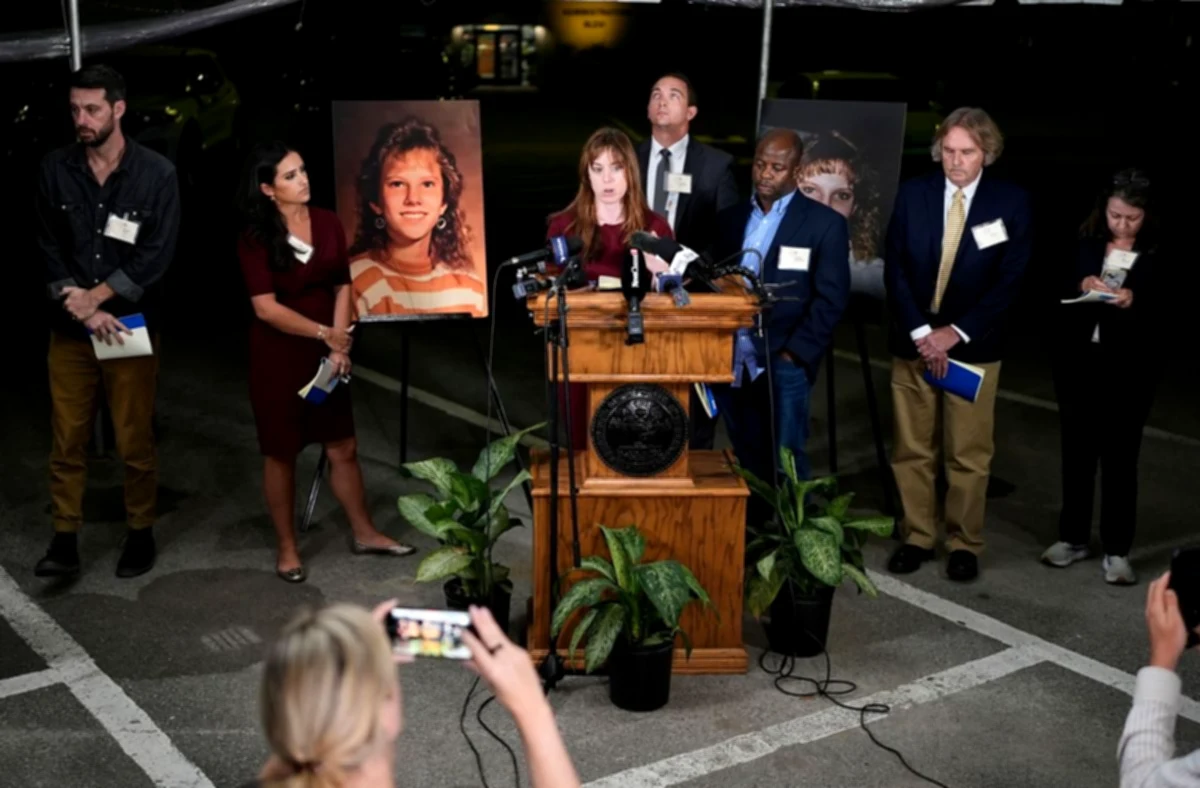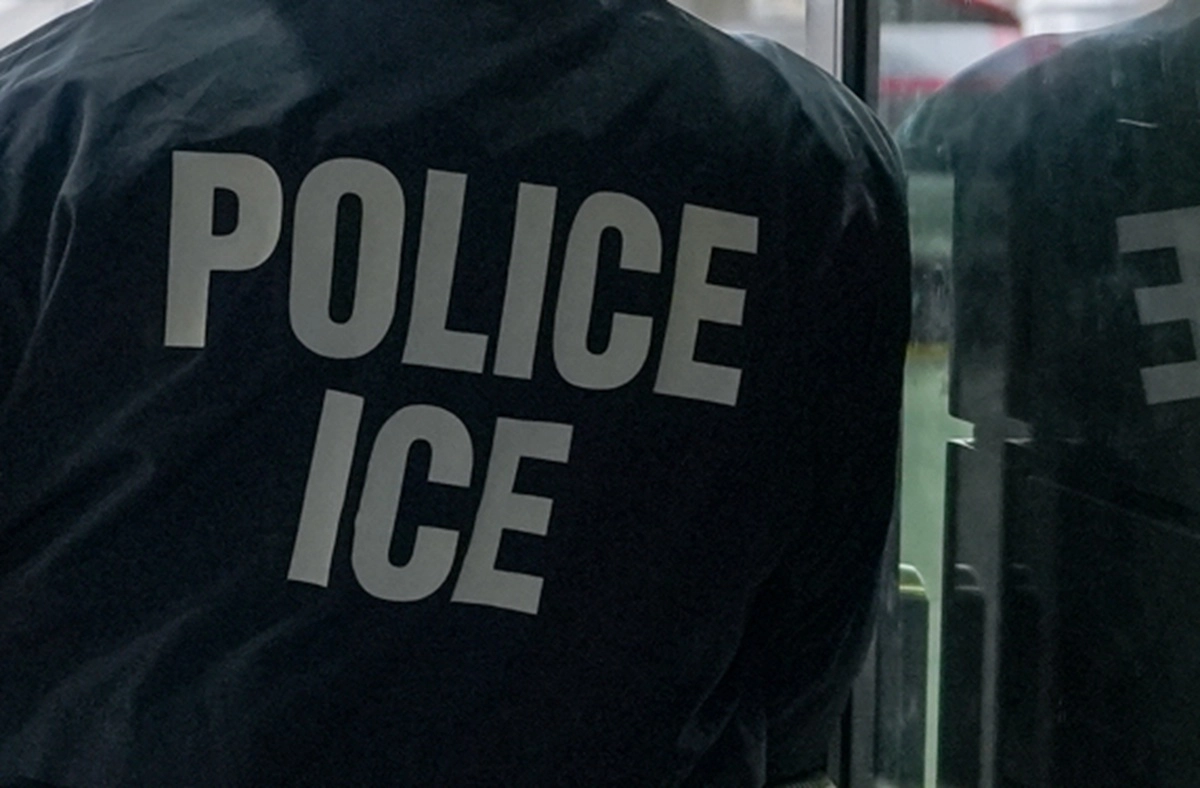

On October 19, 2025, families gathering in Wilder, Idaho to enjoy horse racing and food were surprised when helicopters and armored trucks suddenly descended on the site. Immigration and Customs Enforcement (ICE) agents, armed with guns, grenades and rubber bullets, disrupted the event, terrifying children and adults alike.
Juana Rodríguez, a US citizen, was among those detained. They tied her hands with plastic bracelets and prevented her from feeding her three-year-old baby. "What happened turned our walk into a nightmare. My child was forced to witness an incredible amount of violence against people he loves and hear racist insults against Latinos, experiences that no child should ever be exposed to," she said.
The government said it was looking for five people involved in illegal gambling. However, 105 people were arrested, all on civil immigration charges. Did anyone consider the trauma this would cause to the children before approving the raid? If they had, it would never have happened.
For immigrant families, fear and uncertainty shape their daily lives and mental health.
A growing mental health emergency
We are about to conclude Mental Health Awareness Month, but we think it should be renamed Mental Health ACTION Month. Across the country, children's mental health is deteriorating. Across the country, the mental health of children and young people is worsening. Economic instability, harassment, and hateful rhetoric from political leaders further compound the stress. When leaders dehumanize people based on their ethnicity, religion, gender, gender identity, or immigration status, they fuel hostility in everyday life.
The results are devastating: between 2016 and 2021, youth visits to emergency rooms for self-inflicted injuries increased by 169%. One in five children who die dies by suicide. In 2021, pediatric and psychiatry associations declared a national emergency in children's mental health, and the fear linked to immigration has only intensified that crisis.
Cases of tragedies such as the suicides of 11-year-old Jocelynn Rojo Carranza and 13-year-old Gabriela Aparicio Ortega, both victims of bullying due to their parents' perceived immigration status, show the human cost of this reality. Latina teens now report some of the highest rates of suicide attempts nationwide, according to the CDC.
Children carry the weight
Dreamers, people born abroad but raised in this country, continue to live with instability while the future of DACA remains uncertain. Living life in four-year cycles, tied to the approval of a government request, is in itself a constant source of chronic stress.
Family separations continue. Arlit Maria Martinez, a mother in Maryland, was detained by ICE on her way to work. Two days later, her 15-year-old son died of cancer. She never got to say goodbye. His other three children are living a nightmare.
According to government data, ICE has detained more than 6,200 children nationwide, some as young as two years old. Each raid and each arrest leaves lasting psychological consequences. Even children who only witness these operations internalize the idea that their safety is conditional. Parents also carry trauma and guilt. Immigration enforcement acts as a stressor at the community level, disrupting support networks, economic stability, and any sense of security. Fear infiltrates everyday life, determining where families go, what they say, and whether they seek help.
When people are afraid to approach mental health professionals, the suffering becomes structural, not just emotional. Our collective nervous system is under enormous pressure.
What can governments do?
Latino communities have always drawn strength from family, faith and collective support. But resilience cannot replace investment in mental health infrastructure. We must go beyond telling people to “get help” and build systems that make that help affordable and culturally sensitive.
Local governments can invest in trusted community alliances. Prince George’s County, Maryland, offers a model to follow through the collaboration between The Hope Center for Wellness and the City of Hyattsville, an initiative that funds local providers, streamlines referral processes and ensures residents do not face endless wait lists.
State governments must strengthen and expand bilingual and culturally competent workforces, improving reimbursement rates, supporting training programs, and streamlining credentialing processes so providers can serve diverse communities.
At the federal level, the government should protect student loan forgiveness programs that keep social workers and therapists in community roles. Weakening these programs precisely reduces the workforce needed to address the crisis. Federal policy should instead invest in workforce development, community care, language access, and equity compliance.
And it must be said clearly: immigration policy is mental health policy. Reducing detention and prioritizing family unity are not only moral or political acts; They are public health interventions.
If we continue to tell people to “seek help” while maintaining systems that harm, we are not closing the gap: we are widening it.
If you or someone you love is going through a difficult time, support is available. You can contact SAMHSA's National Helpline at 1-800-662-4357 (toll-free, confidential, in Spanish or English, available 24/7), or you can access the Crisis Text Line by texting HELLO to 741741.
(*) Sindy Benavides is the founding executive director of Aqui: The Accountability Movement. Dr. Cheryl Aguilar, PhD, LICSW, is a nationally recognized mental health clinician, researcher, and advocate focused on the intersection of mental health, immigration, and culturally sensitive care.
The texts published in this section are the sole responsibility of the authors, so La Opinión does not assume responsibility for them.