

Immigrant population in the US reached 15.8 million before Trump's tightening, reports MPI
A report from the Migration Policy Institute notes that immigrants from Central and South America drove growth, while Mexicans declined
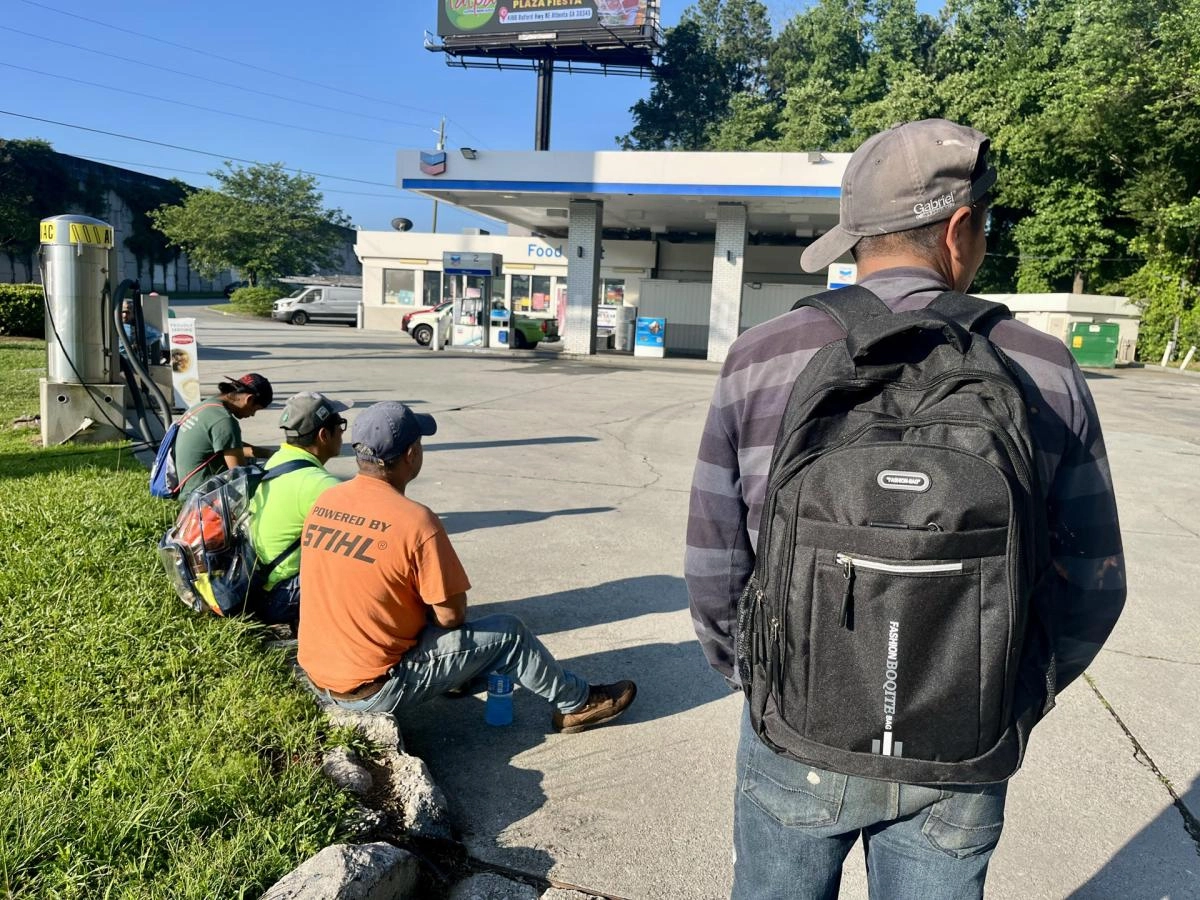

The population of undocumented immigrants in the United States reached 15.8 million people in mid-2024, the highest level recorded in recent decades, driven by the increase in border crossings and the immigration policies implemented during the administration of former President Joe Biden, according to a report published by the Migration Policy Institute (MPI).
The study also documents a historical change in the profile of irregular immigration: although Mexico continues to be the main country of origin, migrants from Central and South America are the ones who explain most of the recent growth of the population without legal status.
Researchers Ariel G. Ruiz Soto, Julia Gelatt and Jennifer Van Hook estimate that the number of undocumented immigrants remained relatively stable, around 11 million people, between 2010 and 2019. However, in the following five years, a net increase of close to five million people was recorded, especially during 2022 and 2023.
“If the administration succeeds in significantly increasing deportations and if border entries remain at their remarkably low levels, the population of undocumented immigrants could begin to decline in 2026 and beyond,” the report's authors noted.
Central and South America drive migratory growth
The analysis shows that the participation of Mexican immigrants within the undocumented population has decreased steadily during recent decades. While they represented 62% of the total in 2010, that proportion fell to 49% in 2019 and was reduced to 35% in 2024.
In contrast, the fastest growth came from Central and South America. Between 2019 and 2024, the Central American irregular population increased by 2.3 million people, driven mainly by migrants from Honduras and Guatemala.
During the same period, immigration from South America grew by 1.3 million, with especially marked increases among citizens of Venezuela, Colombia, Ecuador and Brazil.
The MPI attributes this phenomenon to several factors, including the economic recovery of the United States after the COVID-19 pandemic, as well as the political deterioration, criminal violence and economic difficulties faced by several Latin American countries.
Likewise, the report maintains that programs implemented during the Biden administration, such as humanitarian parole for citizens of Cuba, Haiti, Nicaragua, Venezuela, Afghanistan and Ukraine, in addition to the CBP One platform to request asylum appointments at official crossings, facilitated the temporary entry of hundreds of thousands of migrants and modified the profile of those who remained in the country without permanent residence.
Trump toughens immigration policy
The study considers that the panorama began to change after Donald Trump's return to the White House. His administration eliminated humanitarian parole programs, began the gradual cancellation of Temporary Protected Status (TPS) for some groups, and strengthened immigration detention and deportation operations.
Although researchers express doubts about the possibility of reaching the goal of deporting one million people per year, they consider that the new measures could reduce the undocumented population starting in 2026 if the low numbers of border crossings continue and expulsions increase.
The tightening of immigration policy has also generated concern among businessmen and some Republican leaders, who warn that restricting work permits for hundreds of thousands of migrants could worsen the shortage of workers in key sectors of the US economy.
In this context, the United States Chamber of Commerce and nearly 300 companies asked Congress to promote immigration reform that would address the needs of the labor market and offer a more stable legal framework for the immigrant workforce.
This news has been tken from authentic news syndicates and agencies and only the wordings has been changed keeping the menaing intact. We have not done personal research yet and do not guarantee the complete genuinity and request you to verify from other sources too.