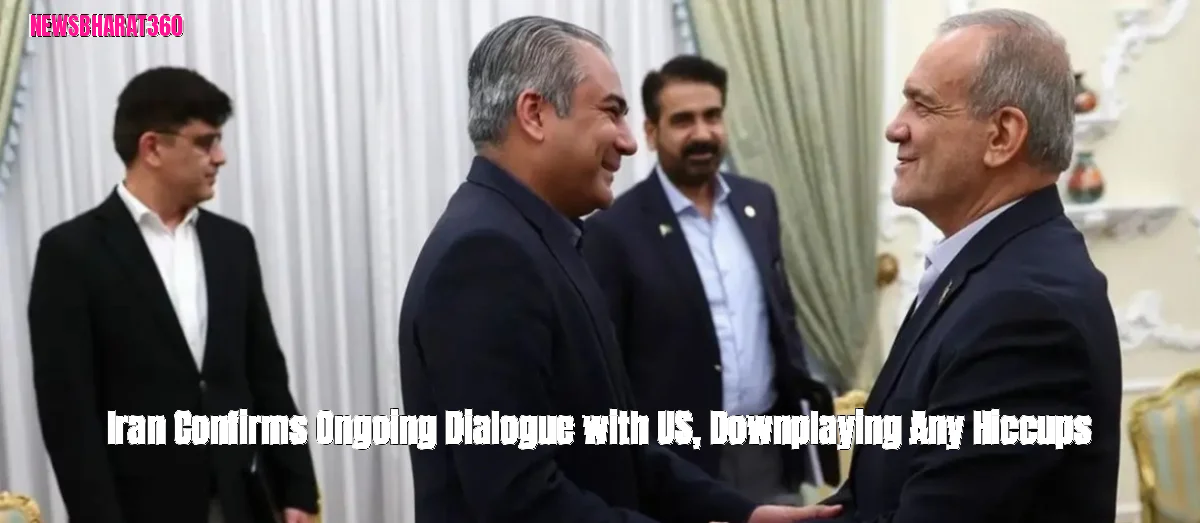

Iran's top diplomat Abbas Araqchi stated that negotiations between Iran and the United States have been ongoing without interruption, facilitated by intermediaries including Pakistan, whose army chief arrived in Tehran on October 21, 2026.
Iranian Deputy Foreign Minister Araqchi stated that negotiations with the United States, facilitated through intermediary countries including Pakistan and Qatar, remain ongoing without interruption.
Iran presented a seven-point plan in September, calling for the removal of a naval blockade and economic sanctions on its oil exports, as well as the cessation of hostilities on all fronts and the unfreezing of Iranian assets abroad, in exchange for the reopening of the Strait of Hormuz.
The head of foreign affairs for the Islamic Republic stated that the Strait of Hormuz is expected to be fully operational within six days, as previously agreed upon. However, the United States has expressed its willingness to adhere to the conditions, while also seeking to incorporate additional provisions.
Iran's Araqchi stated that the country remains willing to engage in further discussions on various matters once all terms of the current agreement are fulfilled, without providing specific details on the nature of those potential negotiations.
The diplomat stated that in the final stages of the negotiations, any outstanding issues or concerns raised by the parties will be thoroughly discussed and addressed, ultimately leading to a definitive agreement.
Field Marshal Asim Munir, the chief of the Pakistani army, arrived in Tehran on the eve, marking a significant development in efforts to revive peace talks between Iran and the United States. As a mediator, Pakistan is facilitating these negotiations.
Iranian Foreign Ministry spokesman Esmail Baghaei stated on Tuesday that the United States' response to Iran's proposed seven-day plan to resolve the conflict was deemed insufficient and incomplete.
Pakistan is playing a key role as a mediator in efforts to bring an end to the conflict between Iran and the United States, which commenced on February 28.
Tensions persist in the Strait of Hormuz, a critical waterway, as Iran and the United States engage in a longstanding dispute over control of the strategic route. Iranian forces have been targeting vessels attempting to traverse the strait, prompting the US to maintain its efforts to keep the passage open for oil shipments.
by efe, reuters
To ensure you receive the most accurate and up-to-date information from this site, we kindly request that you designate us as your preferred news source on Google. To do so, please visit the Google preferences page and select the box next to our site or click the DW.com button to prioritize our verified news in your search results.