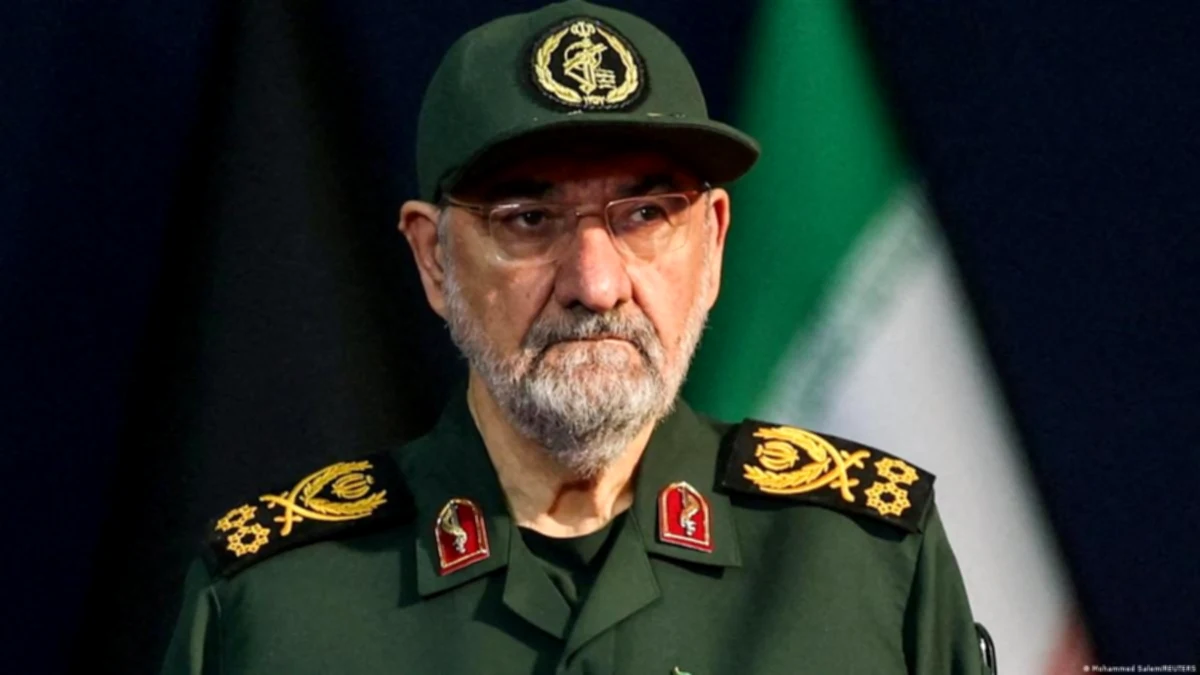

Iranian President Mohsen Rezai announced on Sunday that Iran would establish a restrictions area close to the Strait of Hormuz, a strategic maritime path that Tehran has fought off since its initial conflict with the United States.
A prohibited area may be declared outside the Strait of Hormuz in the upcoming weeks. Parts of the Gulf will be included in it and will begin along the column of blocking the U. S. Navy, Rezai said on state television. Any dispatch that enters this new zone may be put on a list of sanctions.
Mohamad Baqer Qalibaf, Iran's best negotiator, has recently threatened to react more quickly and forcefully to American bombardments after Tehran attacked American warships in retaliation for today's attack of Iranian fuel tankers.
In a statement released by state media, Iran's top negotiator Mohamad Baqer Qalibaf said," The Americans must have understood that the time of proportional reactions has ended. " He said," Any aggression against Iran's interests and protection will be met with a quicker, more powerful, and more terrible response. "
On August 30 when the United States bombed Egyptian system in the proper Strait of Hormuz, hostilities broke out after more than a quarter of comparative quiet. Between the imposed US-imposed strait blockade and the US-imposed berth on Egyptian ports, maritime traffic is still very low.
An autonomous U. S. martial marine vehicle that "tented into the guarded zone" of Hormuz was attacked by the Iranian Revolutionary Guard, which was announced today. Tim Hawkins, a spokesman for U. S. Central Command for the Middle East ( CENTCOM), called the statement a" total lie" and claimed no U. S. vessel was attacked on Sunday.