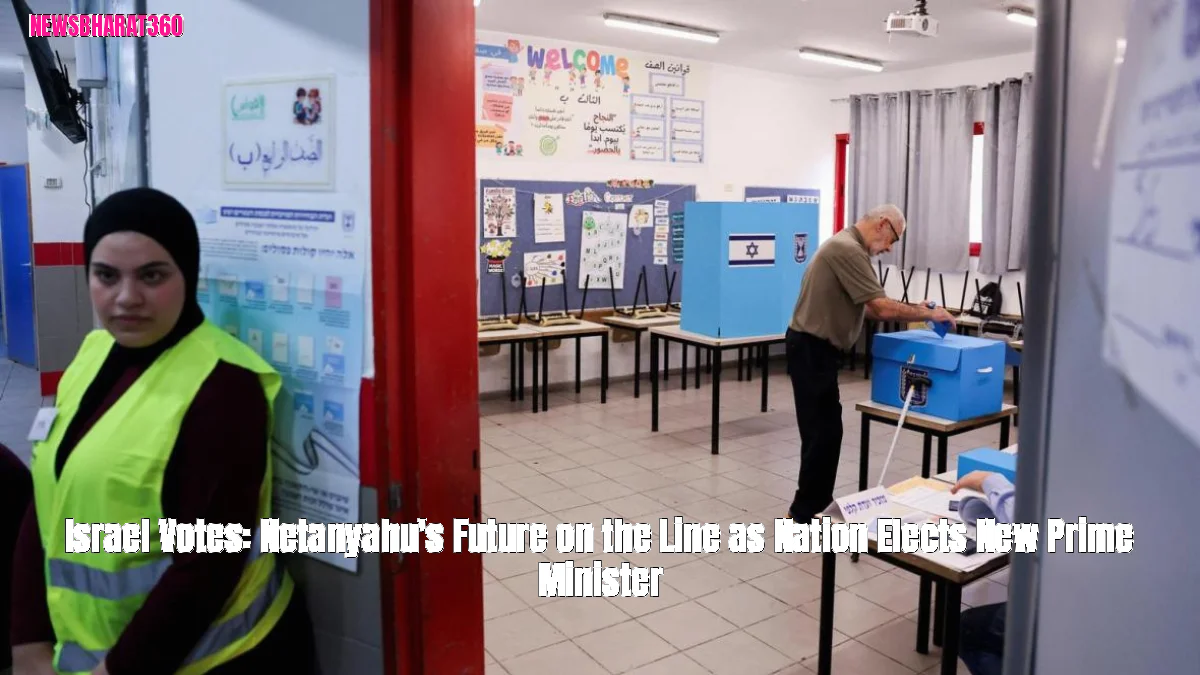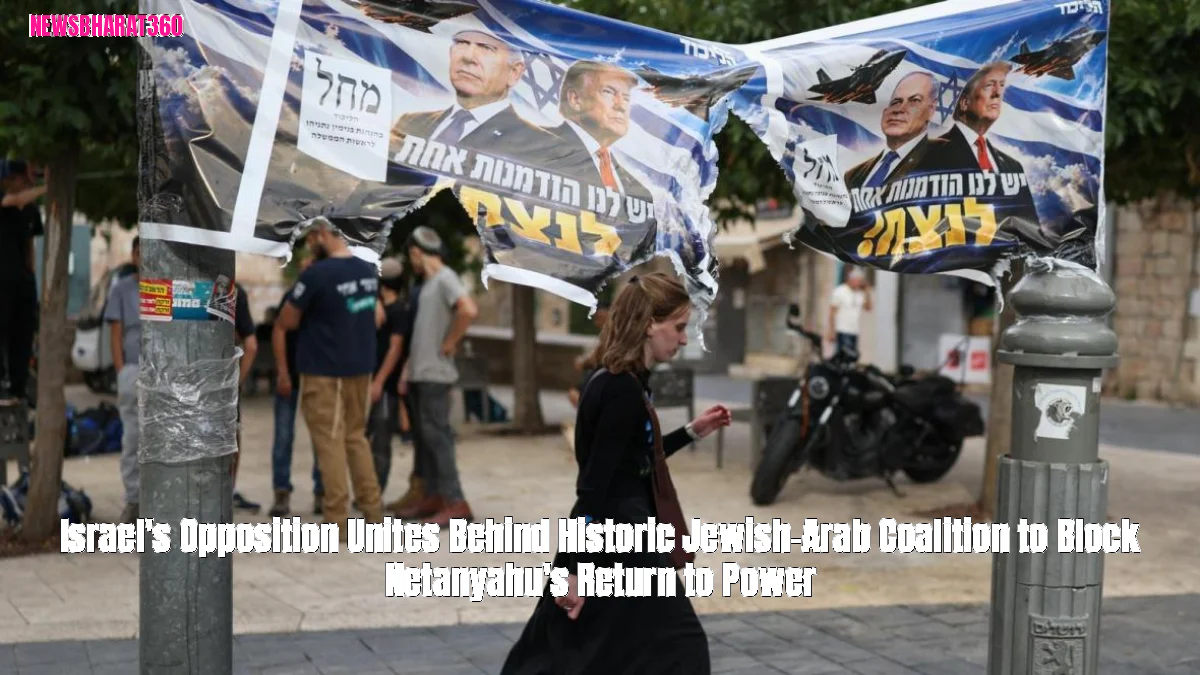

Following Israel's parliamentary elections on Wednesday, the country is now facing a complex political landscape, with no party securing a clear majority to establish a government. The outcome has also highlighted the potential influence of Arab parties in shaping the country's future.
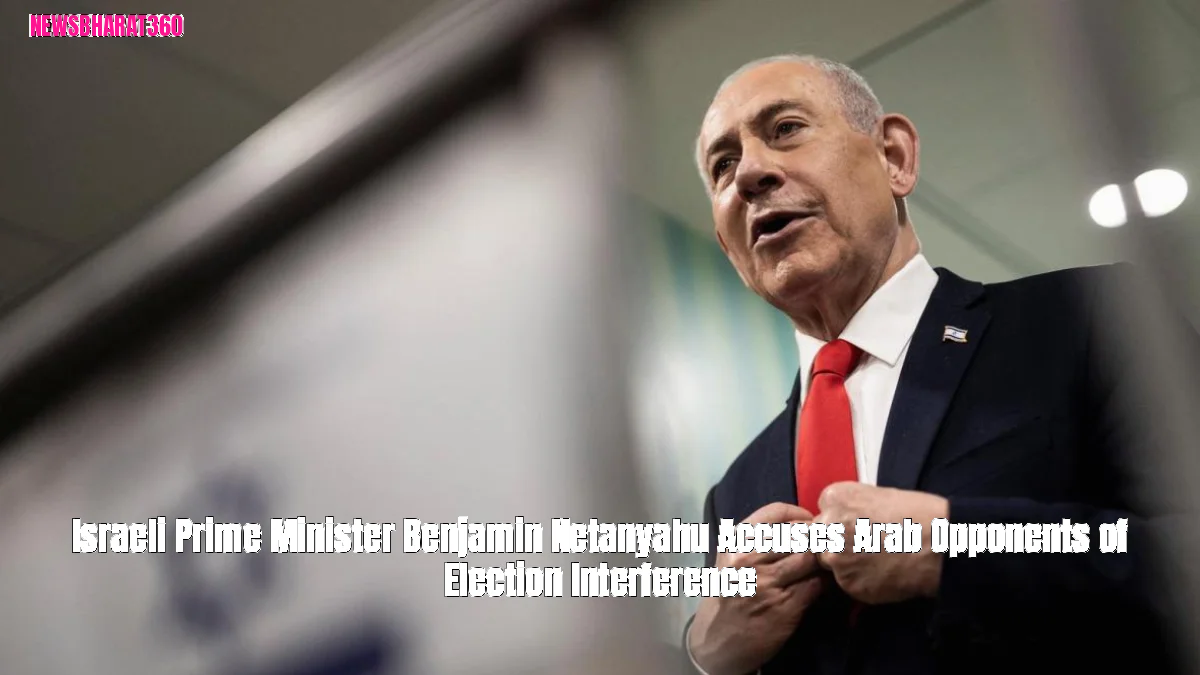
As of the latest update with 84% of votes counted, the bloc led by Israeli Prime Minister Benjamin Netanyahu has secured 54 of the 120 seats in the Knesset, Israel's parliament. The opposition, headed by former military chief Gadi Eisenkot, trails behind with 49 seats, according to the Central Electoral Committee's data and calculations by major national media outlets. Neither the ruling bloc nor the opposition has achieved the necessary 61 seats required to form a governing majority.
In this scenario, the Israeli Arab parties, which are poised to secure a total of 17 seats, are positioning themselves as a potential key to overcoming the institutional deadlock.
Descendants of Palestinians who remained in the territory following the creation of Israel, comprising approximately 20% of the local population, have expressed widespread discontent with the ultra-nationalist Jewish ideology being promoted by Netanyahu's government, particularly in regards to the country and Palestinian territories.
Yussef Jabareen, leader of the Unified List, which comprises three Arab-majority Israeli parties, emphasized the need for a genuine alternative to the Netanyahu government. He stated that any party seeking to provide a legitimate and authentic opposition must engage with the Unified List. Jabareen also called for the establishment of a true Jewish-Arab alliance.
Yair Golan, leader of Israel's main leftist party and a key ally of Eisenkot, has become the first opposition member to propose a coalition with Arab parties, bridging the gap between Jewish and Arab voters.
Israeli politician expressed opposition to Netanyahu's perceived discriminatory approach, stating that it is time to move beyond a divide between Jewish and Arab voters. He emphasized the potential for a coalition government that includes Arab citizens of Israel, citing a responsibility and opportunity for positive change.
The likelihood of an agreement between the opposition and Arab parties remains unclear. Despite General Eisenkot's goal of forming a government, a significant portion of his coalition bloc consists of right-wing politicians who are hesitant to collaborate with Arab parties, a group historically excluded from Israeli government coalitions.
Preliminary election results indicate a highly fragmented Israeli parliament. According to the data, the Likud party, led by Benjamin Netanyahu, is projected to secure 27 seats. Its coalition partners, the ultra-Orthodox parties Shas and United Torah Judaism, are expected to win seven seats each. Additionally, the right-wing parties Jewish Power and Religious Zionism are forecast to obtain seven and six seats, respectively.
The Yashar! party, led by Eisenkot, secured 22 seats in the opposition, trailed by Beyajad with 12 seats, Yair Golan Democrats with 8 seats, and Israel Beitenu with 7 seats.
Initial election polls had suggested a lead for Eisenkot, but current polls and partial vote counts indicate that Netanyahu is currently the frontrunner in terms of voter support.
The final outcome may still be subject to revision following the tally of "doubles" votes, which include those cast by military personnel, prisoners, hospitalized patients and other citizens who voted outside their usual electoral districts.
Preliminary estimates from the Central Electoral Commission suggest that the disputed votes could total approximately 600,000, a significant number that could potentially alter the final allocation of seats, particularly among parties that are narrowly above or below the 3.25% electoral threshold.
The Israeli Electoral Commission has a deadline of November 4 to release the official election results, with some Israeli media outlets anticipating that the final outcome may be confirmed as early as this Friday, October 30, 2026.
Following the election, Israel is likely to enter a period of prolonged negotiations as parties attempt to secure a clear majority to form a government. Failure to establish a stable coalition could result in prolonged political instability and potentially even the need for fresh elections.
Attention is now focused on President Isaac Herzog, who will be responsible for selecting the individual tasked with attempting to form a coalition government following the first round of elections.
RML (efe and afp)
To ensure uninterrupted access to our trusted news content, please consider making DW.com your preferred news source on Google. To do so, click on this link and select the option to display our verified news in your Google preferences.