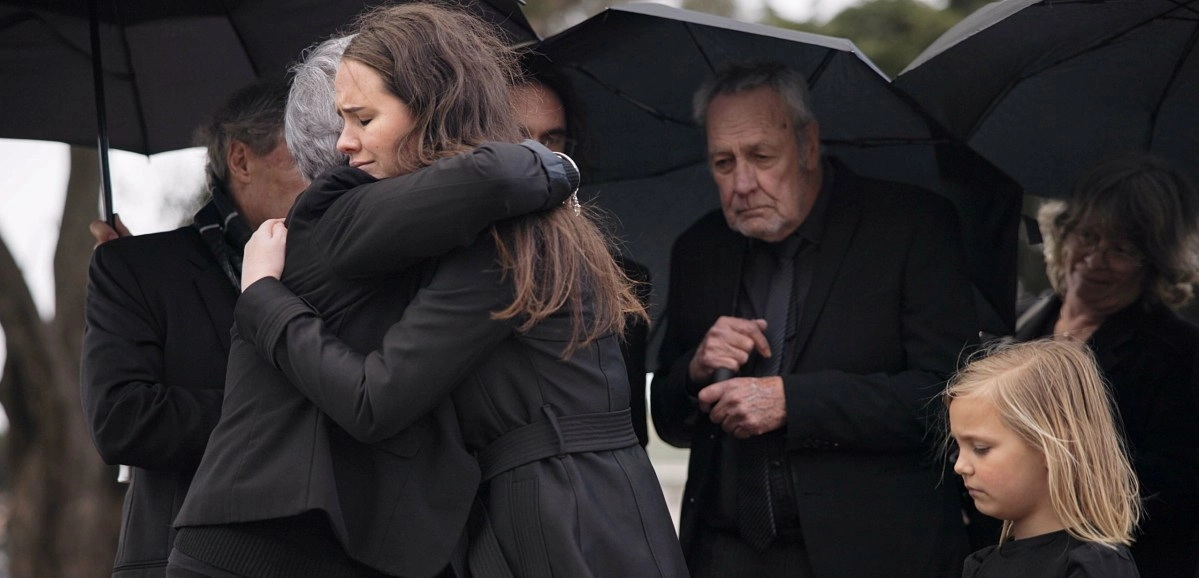

Losing a loved one—or even experiencing other forms of loss, such as the end of a relationship, a job, or health—unlocks a complex emotional process that does not follow a fixed script. Mental health specialists agree that knowing the stages of grief does not serve to “speed it up,” but rather to understand that what you feel, no matter how intense, is part of a human and traversable process.
For decades, the most cited model to describe grief was the one proposed by Swiss psychiatrist Elisabeth Kübler-Ross in 1969, originally designed for terminal patients and later extended to any type of loss. Its five phases—denial, anger, bargaining, depression, and acceptance—remain a common reference point in books, therapies, and everyday conversations about grief.
However, the psychology of grief itself has greatly nuanced this scheme over the years. Today there is consensus among mental health professionals that these phases are neither linear nor mandatory: not all people go through them, they do not always appear in that order and it is common to go back and forth between them, even experiencing several at the same time. This is not a list of boxes to check. Far from being an exact map, they function more as an indicative guide to the emotions that usually appear after a significant loss.
The five best known phases
Denial. It is common that, at first, the mind resists assimilating the magnitude of what happened. Phrases like “this can't be happening” are a way to cushion the initial impact and give the body and mind time to process the news.
Gonna. When denial begins to subside, anger usually emerges: towards the circumstance, towards oneself, towards third parties or even towards the deceased person. It is a normal reaction to the feeling of injustice or loss of control.
Depression or deep sadness. This is the moment when the pain becomes more present and conscious. It can manifest itself with fatigue, disinterest in daily activities, isolation or frequent crying. It is important to distinguish this sadness inherent to grief from a clinical depression, which requires specific professional attention.
Acceptance. It does not mean “being well” or forgetting, but rather reaching a point where the loss is integrated into one's own life story, allowing one to resume one's routine and plan the future without pain taking over everything.
What if the duel doesn't fit into this scheme?
More recent research, such as that of the American psychologist Lucy Hone or the work of the doctor George Bonanno on resilience, has shown that many people do not go through such a structured process: some adapt relatively quickly, others oscillate for a long time between moments of acute pain and others of normality. This variability is completely normal and should not generate guilt or the feeling of “grieving wrong.”
First steps to start going through mourning
Specialists usually agree on some general recommendations for those experiencing loss:
A process that is not “overcome” at once
Rather than talking about “getting over” grief as an end point, many therapists prefer to talk about learning to live with the loss.
The objective is not to erase the pain, but rather that, over time, it stops occupying the center of daily life and the person can once again project themselves forward, carrying the memory without it paralyzing them.
You may also be interested in:
· “Death by organ donation”, a new proposal that generates concern: medical vultures hunting corpses? · Hodophobia, more than a fear of traveling · One of the biggest mistakes we make that accelerates aging is not getting enough sleep, says expert