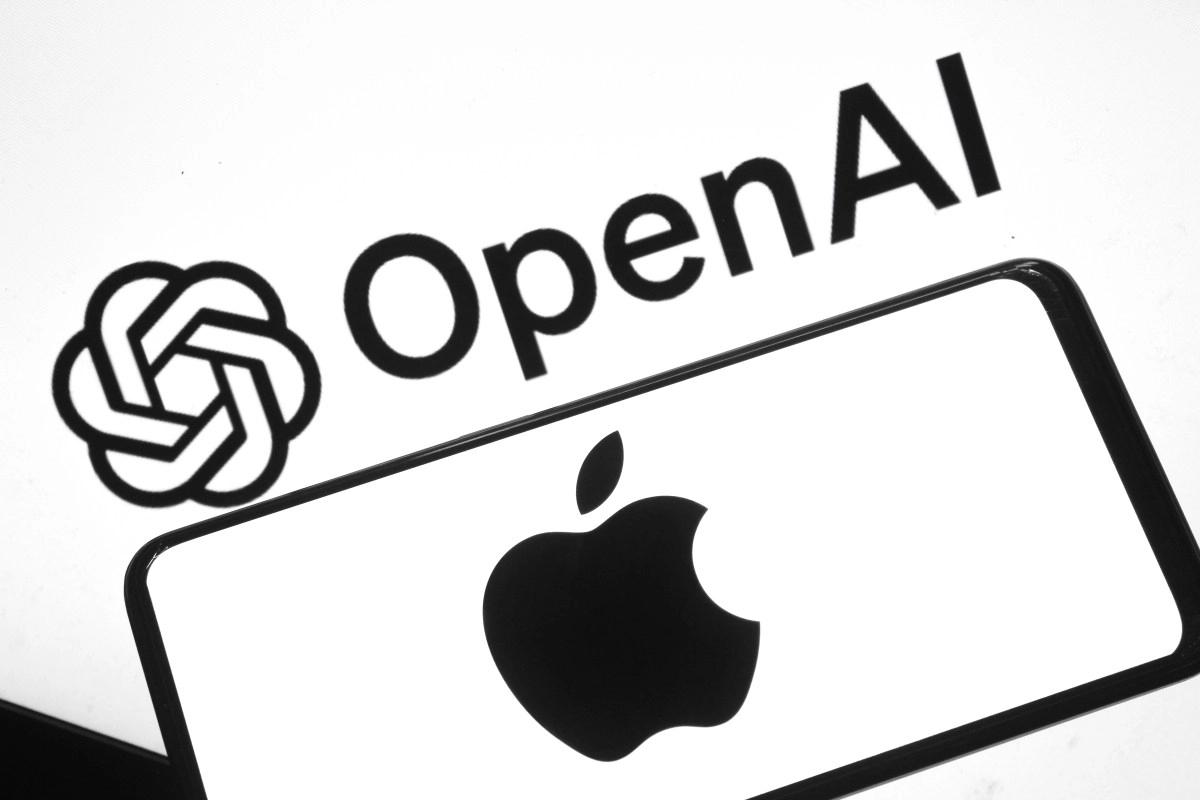

Apple filed a civil lawsuit in federal court in Northern California that completely shakes the relationship between the Cupertino company and OpenAI. The accusation is strong: Apple claims that OpenAI, along with two former employees of Apple itself, stole confidential information about the development of hardware devices.
And if you know anything about Apple's culture, you know that this is not just anything, because the company is historically obsessive about protecting every detail of its internal projects before they hit the market.
What exactly does Apple's lawsuit say?
The 41-page legal document takes aim directly at Tang Tan, who today serves as director of hardware at OpenAI, and another former member of technical staff who also previously worked at Apple.
According to the complaint, both would have used their prior knowledge within Apple to help OpenAI advance the development of new devices with artificial intelligence. Apple maintains that this information was not public or accessible, but rather part of protected trade secrets that give the company a real competitive advantage in the hardware market.
The interesting thing about the case is that it is not simply an accusation of generic unfair competition. Apple points out specific violations related to the handling of industrial secrets, and the lawsuit comes just at a time when OpenAI is pushing hard to position itself as a manufacturer of physical devices, not just as an artificial intelligence software company.
That coincidence of timing makes the dispute feel even more tense, because Apple is basically saying that its rival used the keys to its own house to build something similar.
Why this lawsuit is a blow to OpenAI
The timing couldn't be worse for OpenAI. The company is in the middle of conversations related to its valuation for a possible IPO, and a lawsuit of this caliber can raise doubts among investors about the legal soundness of its hardware projects. When a company the size of Apple decides to prosecute such a conflict, it sends a clear signal to the market: that it is not willing to let anyone take advantage of years of internal work without consequences.
In addition, the dispute exposes a tension that has been growing for some time between big technology companies and AI startups seeking to sign talent with experience in consumer hardware. Apple, Google and Samsung have competed for years to retain key engineers, and these types of legal moves could become a trend if more companies feel their secrets are leaking to the competition.
The end of the relationship between OpenAI and AppIe?
For now, neither Apple nor OpenAI have made extensive statements beyond what is recorded in the court file, although the startup is expected to respond formally in the coming weeks.
What is clear is that this lawsuit could mark a before and after in how AI companies hire personnel from technological giants, especially when these profiles arrive loaded with sensitive technical knowledge.
If the case progresses and the allegations are proven, OpenAI could face significant financial sanctions and restrictions on the use of the technology in question, something that would directly affect its ambitious plan to expand into hardware. Meanwhile, the industry is watching closely, because this conflict between two of the most influential names in technology today could redefine the boundaries between legitimate innovation and corporate espionage.