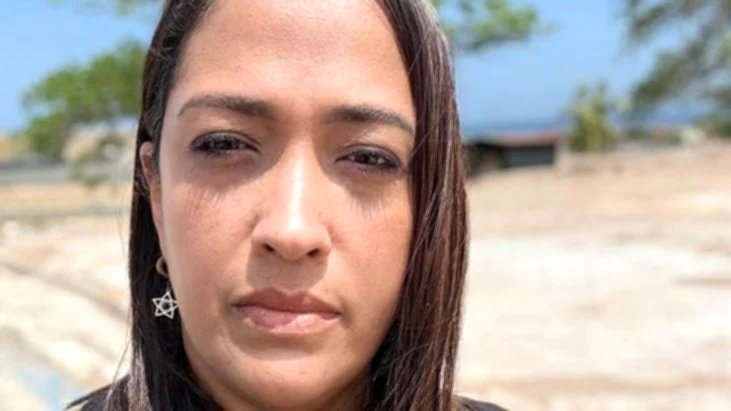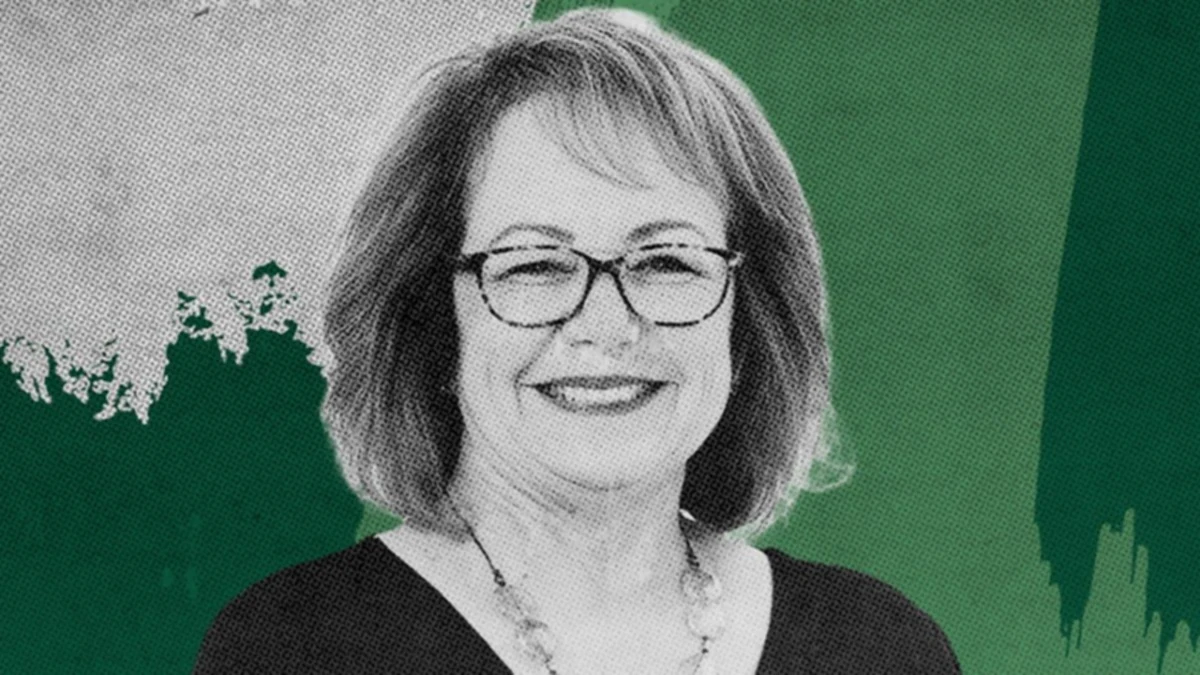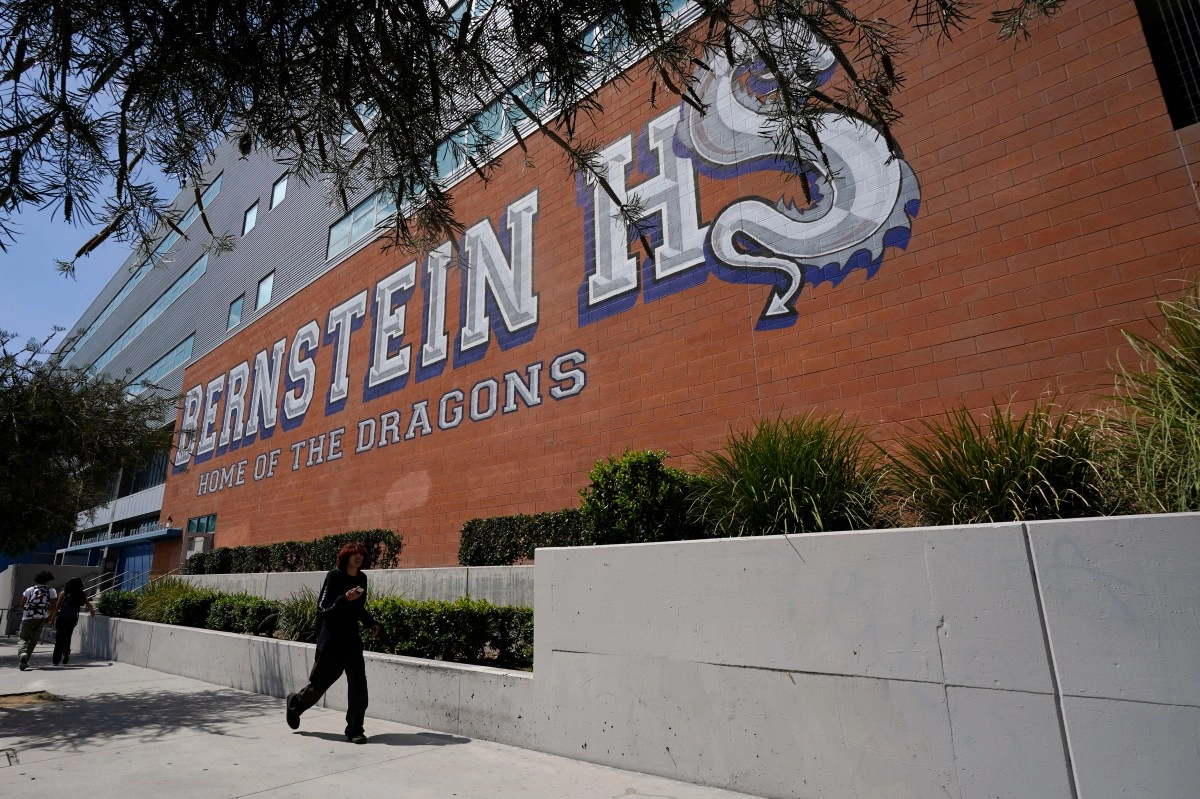

Los Angeles Superior Court Judge Lisa Jaskol authorized a trial in Elena Perez's lawsuit over the death of her 15-year-old daughter, Melanie Ramos, who died from a fentanyl overdose at LAUSD's Bernstein High School.
The judge set February 5, 2026, as the trial date.
Melanie's mother sued the Los Angeles Unified School District for wrongful death and death by negligence.
Melanie died from an accidental fentanyl overdose on September 13, 2022. She became the seventh overdose case in the 2022 school year at Bernstein High School.
Judge's Ruling
“The defendant has not shown that an adequate supervision plan would not have prevented the tragedy,” wrote Judge Lisa R. Jaskol in an 11-page ruling from a recent hearing on LAUSD's motion to dismiss the case brought by plaintiff Elena Perez. In court documents, attorneys Luis and Michael Carrillo argued that, given that people suffering from a fentanyl overdose can die within minutes, “supervisors at Bernstein High School campus would have had to constantly monitor the inside of the bathroom stall and any other place where the student could hide to prevent his injury [death].” Meanwhile, attorneys for LAUSD argued that requiring schools to constantly monitor places where students might hide would not contribute to a policy of preventing future overdoses and deaths, and that the district “is not morally culpable” for not having such policies in place to detect drug use. The school is located at 1309 N Wilton Pl., in Hollywood. However, Judge Laskol wrote that the LAUSD's evidence that Melanie intended to evade supervision was insufficient. It does not prove, as a matter of law, that the alleged lack of supervision by the district did not cause or contribute to the teenager's death.
They knew about the drug problem
In court documents, Ms. Perez's lawyers said that Bernstein High School officials knew there was a drug problem on the Hollywood campus, but took no action that could have saved Melanie.
“The girl's mother didn't know her daughter was using drugs, neither marijuana nor alcohol,” attorney Michael Carrillo stated. “She only knew that she was missing school a few times.”
The Carrillo lawyers cited in court the affidavit of school principal Alejandro Ramirez, who testified that before Melanie's death, he knew there was “drug use…potential drug use, and so when we came back after the pandemic, I just wanted to make sure we addressed any potential problems.” In previous court documents, attorneys for the Los Angeles Unified School District (LAUSD) stated that Bernstein Elementary School Principal Alejandro Ramirez and Assistant Principal Andrew Kasek created a plan that included surveillance of hallways, restrooms, and the central courtyard, and that Ramirez had a separate strategy to address student absenteeism, according to district attorneys. However, Melanie and a friend used fentanyl in a restroom stall in the central courtyard, according to documents filed by LAUSD attorneys. “The two girls bought the drugs at that school [Bernstein],” said Michael Carrillo. The coroner's report indicated that Melanie died from an accidental fentanyl overdose.
Melanie's mother informed of her absences
In a partially redacted affidavit, school principal Alejandro Ramirez stated that on the morning of Melanie's death, he instructed an office employee to call Melanie's mother, Elena Perez, to discuss her daughter's absences from class, and that Ms. Perez replied that she would speak with him later that day.
Ramirez, however, also stated that a student who is absent from class is not considered missing.
“Dismiss the predictable behavior of students being able to obtain and use drugs at school and the resulting predictable medical emergencies, there was a culture of complacency at Bernstein Preparatory School, where student supervision was ambiguous and undefined regarding responsibilities, including the supervision of specific locations on campus and how frequently they should be patrolled,” Ms. Perez's attorneys wrote in their court documents.
The friend who was saved from dying
In May 2022, Bernstein High School staff called the Los Angeles Fire Department's medical services three times due to student drug overdoses on campus. A month later, according to the lawsuit filed against LAUSD, a mother complained to Principal Alejandro Ramirez about the overdoses, expressing concern for her son's safety and requesting increased security for students and the school's restrooms. a friend of Melanie's, identified as HW in court documents, who was with her when they used the drug, experienced overdose symptoms but survived. Days later, police announced the arrest of a teenager who allegedly sold the drugs to the two students. Michael Moore, who was the Los Angeles Police Chief at the time, said the alleged dealer was a student at the charter school APEX Academy, located on the Bernstein High School campus in the Hollywood area.
“Let me know if you need more”
In her sworn statement, the second girl said that she and Melanie believed the dealer, whose name she said was Angel, was selling them Percocet, a painkiller.
“Let me know if you need more,” Angel said after the girls paid him, according to HW.
HW said she and Melanie went to the accessible restroom, which had more space than the others.
“We talked for a bit, then we crushed it and put it in lines and consumed the pills,” HW said, adding that they used a card from a payment app or something similar to crush it.
HW said she then fell asleep, and when she woke up, she saw Melanie readyless and touched her to try to wake her up. “And then I realized, all of a sudden, that she was gone,” HW said. HW recounted how she crawled to an outlet to charge her phone and called her mother, who she said was very distracted on the phone. She added that shortly afterward she ran into her stepfather, who had gone to school, and told him what had happened with Melanie. She stated that her stepfather picked her up, took her to the bathroom, and then sat her on the floor, but she doesn't remember much of what happened in the bathroom after that. HW said her stepfather later took her to his car and asked if she wanted to go to the hospital. “I said I was fine, but I was lying,” she said. The student's stepfather had her taken to the hospital in an ambulance. HW said she had never heard of fentanyl. Following Melanie's death, the LAUSD announced that all of its schools would have the drug Narcan to counteract overdoses. Governor Gavin Newsom subsequently signed State Senator Dave Cortese's SB 10, known as Melanie's Law, which requires public schools to train their employees in opioid use prevention and response techniques and increase awareness of the dangers of fentanyl. The law went into effect on January 1, 2024. As of press time, attorney Alison K. Beanum of the firm Clyde & Co., who represents LAUSD, had not responded to La Opinion's questions about the case.HW recounted how she crawled to an outlet to charge her phone and called her mother, who she said was very distracted on the phone. She added that shortly afterward she ran into her stepfather, who had gone to school, and told him what had happened with Melanie. She stated that her stepfather picked her up, took her to the bathroom, and then sat her on the floor, but she doesn't remember much of what happened in the bathroom after that. HW said her stepfather later took her to his car and asked if she wanted to go to the hospital. “I said I was fine, but I was lying,” she said. The student's stepfather had her taken to the hospital in an ambulance. HW said she had never heard of fentanyl. Following Melanie's death, the LAUSD announced that all of its schools would have the drug Narcan to counteract overdoses. Governor Gavin Newsom subsequently signed State Senator Dave Cortese's SB 10, known as Melanie's Law, which requires public schools to train their employees in opioid use prevention and response techniques and increase awareness of the dangers of fentanyl. The law went into effect on January 1, 2024. As of press time, attorney Alison K. Beanum of the firm Clyde & Co., who represents LAUSD, had not responded to La Opinion's questions about the case.HW recounted how she crawled to an outlet to charge her phone and called her mother, who she said was very distracted on the phone. She added that shortly afterward she ran into her stepfather, who had gone to school, and told him what had happened with Melanie. She stated that her stepfather picked her up, took her to the bathroom, and then sat her on the floor, but she doesn't remember much of what happened in the bathroom after that. HW said her stepfather later took her to his car and asked if she wanted to go to the hospital. “I said I was fine, but I was lying,” she said. The student's stepfather had her taken to the hospital in an ambulance. HW said she had never heard of fentanyl. Following Melanie's death, the LAUSD announced that all of its schools would have the drug Narcan to counteract overdoses. Governor Gavin Newsom subsequently signed State Senator Dave Cortese's SB 10, known as Melanie's Law, which requires public schools to train their employees in opioid use prevention and response techniques and increase awareness of the dangers of fentanyl. The law went into effect on January 1, 2024. As of press time, attorney Alison K. Beanum of the firm Clyde & Co., who represents LAUSD, had not responded to La Opinion's questions about the case.