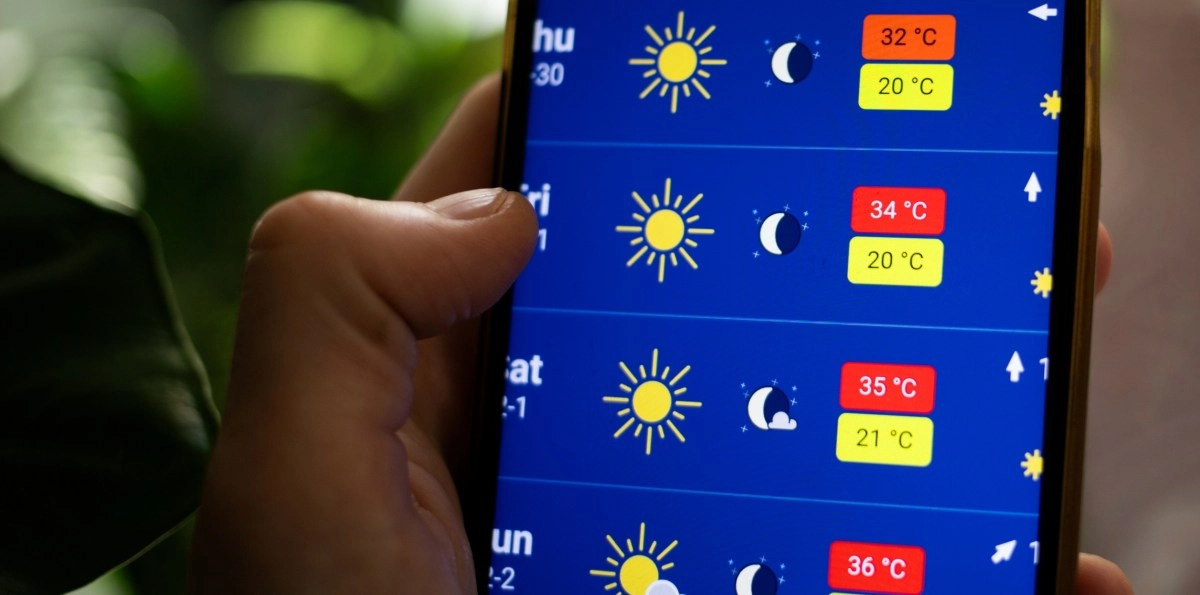

The eastern half of the United States is bracing for a period of dangerous heat during celebrations of the 250th anniversary of Independence. Temperatures will rise between 35 and 38 degrees Celsius, peaking just before the weekend, CNN reported.
Extreme heat presents a significant health risk. An increase in heat-related illnesses is anticipated, with average deaths exceeding those from other extreme weather events.
Health authorities warn about the combination of high daytime temperatures and warm nights.
Temperature records
Numerous cities, including New York and Washington D.C., are expected to hit all-time temperature records. This phenomenon is considered one of the most crucial heat events since 2012, with increased risks for vulnerable populations.
Local governments implement measures to mitigate the impact of heat. Cities like New York have updated their information kiosks, while Nashville conducts “heat patrols” to help the most vulnerable population. The population is urged to stay hydrated and seek refuge from the heat in air-conditioned places.
Symptoms of heat-related illnesses
Common symptoms of heat-related illnesses include excessive sweating, dizziness, nausea, headache, muscle cramps, weakness, and rapid pulse. In more severe cases, there may be confusion, very hot or dry skin, fainting, and difficulty breathing.
Signs by type
When to act
If confusion, fainting, very high body temperature, or hot, dry skin appear, it is a medical emergency and immediate attention should be sought.
Most susceptible population groups
The groups most susceptible to extreme heat are older people, young children, and those with chronic illnesses, because their ability to regulate temperature or respond to heat stress is lower.
Higher risk groups
Factors that aggravate the risk
Heat is not affected only by age or illness; Isolation, lack of ventilation, precarious housing and limited access to water, shade or air conditioning also weigh. Together, these factors cause some people to suffer from dehydration, heat exhaustion, or heat stroke sooner.
Warning signs
It is advisable to pay attention to dizziness, weakness, confusion, headache, nausea and very hot or dry skin, because they may indicate a heat emergency.
You may also be interested in:
· Drinking cold water when eating can disturb digestion, since it modifies some functions of the stomach · Most effective natural treatments to eliminate foot fungus in summer · Reveal the role of grapes in protecting the skin against the sun's UV rays