
The Senate decided to move forward with the confirmation hearing for Jay Clayton as the next director of National Intelligence, despite the fact that President Donald Trump requested to delay the process in a last-minute intervention that generated uncertainty.
The decision reflects an unusual difference in judgment between the White House and Senate Republican leaders, who consider it urgent to move forward with the appointment to resolve the leadership vacuum in one of the most sensitive areas of American national security.
Republicans maintain the calendar despite presidential pressure
The controversy began when Trump posted a message on Truth Social stating that the hearing should be canceled until the Senate approved a replacement for Clayton's current position as federal prosecutor for the Southern District of New York.
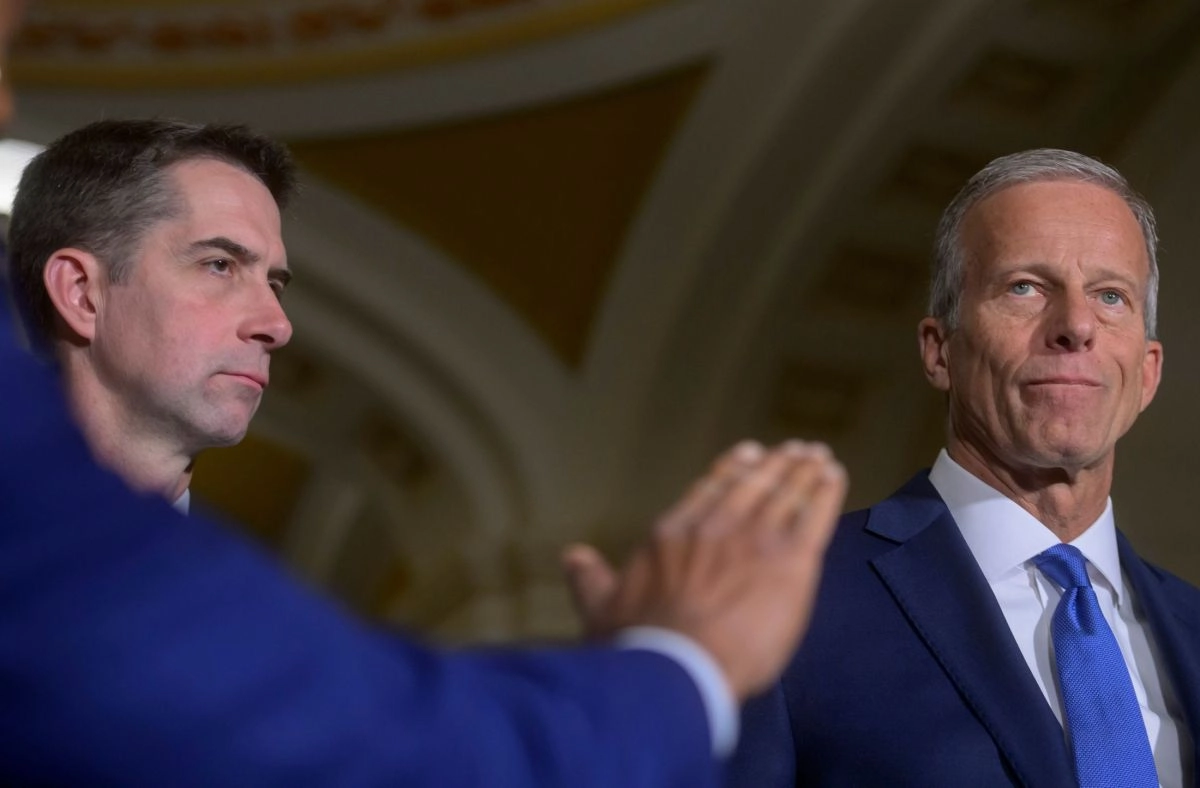
However, the chairman of the Senate Intelligence Committee, Senator Tom Cotton, made it clear that the hearing would go ahead as planned.
“We will proceed with your hearing as scheduled, unless the President orders you not to appear or withdraws your nomination,” Cotton wrote.
The position was supported by the leader of the Republican majority, John Thune, who confirmed that, for the moment, the Senate would continue with the established calendar while awaiting further definition from the White House.
The situation evidenced a rare display of independence within the Republican caucus, which chose to maintain the legislative process despite Trump's expressed wishes.
The dispute over National Intelligence and the FISA Law
Clayton's appointment became relevant after the announced departure of Tulsi Gabbard as Director of National Intelligence. The prospect of Bill Pulte taking office on an interim basis sparked resistance among Democrats and even some reservations within the Republican Party.
The debate is also linked to the reauthorization of Section 702 of the Foreign Intelligence Surveillance Act (FISA), a key tool for intelligence efforts in the country.
Trump accused Republicans of moving too quickly and said the party had fallen into a “trap” by trying to speed up Clayton's confirmation to facilitate future negotiations on surveillance legislation.
A candidate with broad Republican support
Clayton has a long history in the legal and financial sector. He currently heads the U.S. Attorney's Office for the Southern District of New York and previously headed the Securities and Exchange Commission (SEC) during the first Trump administration.
Both Cotton and Thune have highlighted their administrative experience and their knowledge of national security issues, factors that could facilitate their confirmation in the coming weeks.
So far, the president has not issued any comments regarding the decision already made in the Senate.