The Trump administration would eliminate the SAVE student loan plan
The Department of Education announced an agreement that could mark the beginning of the end of Joe Biden's SAVE plan for student loans
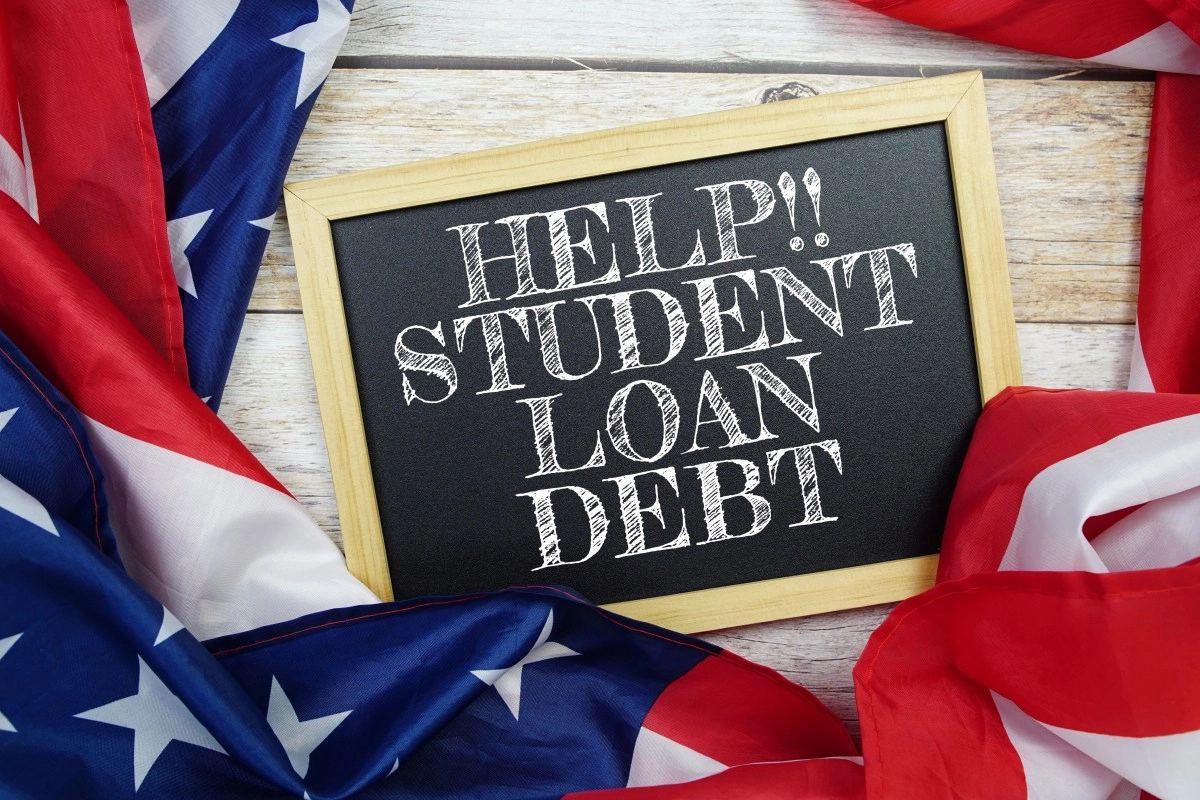
The possibility that the Donald Trump administration will end the SAVE plan has set off alarm bells among millions of borrowers who depend on this scheme to keep their student payments under control. The Department of Education's announcement signals a significant shift in student debt relief policy and anticipates changes that will directly affect those who relied on this program to stay afloat. The federal government reported that it reached a preliminary agreement with the state of Missouri that would allow it to dismantle the Saving on a Valuable Education (SAVE) program. This plan was based on a payment system adjusted to income and family size, making it an accessible option for millions of low-income workers. The agency explained that, once the agreement receives court approval, it will stop accepting new applications and will reject all pending applications. Furthermore, those already enrolled will have a limited time to switch to another plan and resume payments. Higher education experts have warned that the plan's discontinuation could be faster than expected. Mark Kantrowitz told CNBC that borrowers could have to abandon the program's forbearance early next year. This would accelerate a process that, according to the One Big Beautiful Bill Act passed in July, was supposed to extend until July 1, 2028, for those enrolled in SAVE or other plans being phased out. From the Trump administration's perspective, the SAVE plan placed an excessive burden on taxpayers. Nicholas Kent, assistant secretary of education, stated that the Biden administration's policies unfairly burdened American taxpayers with student loan debt. The agency also noted that the program would have generated a cost exceeding $342 billion over a decade.
“The Trump administration is not ignoring the growing burden of student debt or the exorbitant cost of a college degree,” Kent and Missouri Attorney General Catherine Hanaway wrote in an op-ed in The Wall Street Journal. “But we refuse to force working Americans to shoulder the burden of loans that are not theirs to bear.”
The impact of the legal battle surrounding the program has been significant. In 2024, several states led by Republican attorneys general, including Missouri, took the case to court, arguing that the Biden administration exceeded its authority. In February 2025, a federal court ruled the SAVE plan illegal. Since then, the status of borrowers has remained uncertain.
As part of that process, millions of SAVE plan users were placed on forbearance in July 2024. During this period, their loans were paused and stopped accruing interest.
However, the truce came to an end when the Department of Education announced it would resume charging interest in August 2025. The advocacy group Protect Borrowers warned that this measure could increase monthly payments by up to $300 due to the new interest charges. The potential elimination of the SAVE plan worries organizations and advocates, who say it will leave borrowers without affordable options. Persis Yu, deputy director of Protect Borrowers, noted that the announced agreement “will deprive borrowers of the most affordable repayment plan.” Given this situation, the Department of Education recommended using the Federal Student Aid Loan Simulator tool to explore alternatives before the changes take effect. Looking ahead, legislation known as the One Big Beautiful Bill Act envisions the creation of a new income-based repayment plan called the Repayment Assistance Plan. This scheme will allow repayment terms of up to 30 years and will be available to new borrowers starting July 1, 2026. A standard plan, different from the current one, will also be offered.
You may also be interested in:
This news has been tken from authentic news syndicates and agencies and only the wordings has been changed keeping the menaing intact. We have not done personal research yet and do not guarantee the complete genuinity and request you to verify from other sources too.